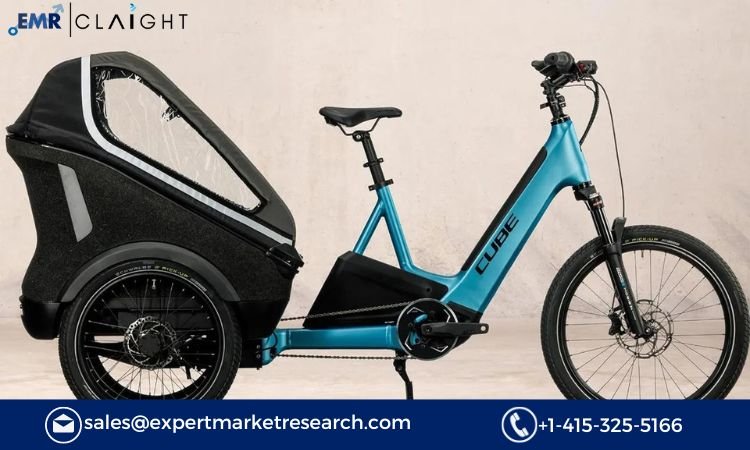


The Europe Electric Cargo Bikes Market Size is poised for significant growth in the coming years. With the increasing focus on sustainable transportation solutions and reducing carbon emissions, electric cargo bikes have gained considerable popularity, particularly in urban areas. In 2024, the market was valued at USD 2.01 billion and is projected to grow at a Compound Annual Growth Rate (CAGR) of 33.9% between 2025 and 2034, reaching a market value of USD 28.69 billion by 2034. This growth is driven by various factors, including environmental concerns, the shift toward green transportation, and the rise in e-commerce and last-mile delivery services.
Market Overview
Electric cargo bikes, also known as e-cargo bikes, are bicycles equipped with electric motors that assist in carrying heavy loads. These bikes are designed for transporting goods over short to medium distances, making them an ideal solution for urban delivery systems. They come in various types, including two-wheeled and three-wheeled bikes, and are used in sectors like e-commerce, retail, and logistics.
The market for electric cargo bikes in Europe is expanding due to several factors, such as increased environmental awareness, the need for last-mile delivery solutions, and government incentives supporting sustainable transportation initiatives.
Key Benefits of Electric Cargo Bikes
Electric cargo bikes offer numerous benefits to both consumers and businesses alike. Some of the key advantages include:
- Sustainability: As a zero-emission mode of transport, electric cargo bikes play a vital role in reducing carbon footprints. This makes them an environmentally friendly alternative to traditional delivery vehicles that rely on fossil fuels.
- Cost-effectiveness: Electric cargo bikes are more affordable to operate than fuel-powered vehicles, with lower maintenance costs, no fuel expenses, and less frequent repairs.
- Efficient in Congested Areas: In dense urban areas with heavy traffic congestion, electric cargo bikes can offer a faster and more efficient way to navigate narrow streets and crowded spaces, allowing businesses to make quicker deliveries.
- Reduced Noise Pollution: Unlike motorized vehicles, e-cargo bikes are much quieter, contributing to reducing noise pollution in cities.
- Health Benefits: For individuals who use electric cargo bikes for personal transportation, they provide an excellent form of physical activity and help reduce sedentary lifestyles.
Key Industry Developments
Several developments have occurred within the electric cargo bike market in Europe, contributing to its growth.
- Technological Advancements: There have been significant improvements in battery technologies, resulting in electric cargo bikes that can travel longer distances on a single charge. Additionally, more innovative designs are emerging, with features such as cargo compartments, advanced suspension systems, and better braking mechanisms, making these bikes more versatile and efficient for various industries.
- Government Support: The European Union and individual countries have introduced several initiatives aimed at promoting sustainable transportation. For instance, cities such as Amsterdam, Berlin, and Copenhagen have implemented policies encouraging the use of electric cargo bikes, including offering subsidies or grants to businesses purchasing e-cargo bikes.
- Increased Demand for Last-Mile Delivery: With the rapid rise in e-commerce, the need for efficient last-mile delivery solutions has been a key factor in the growth of the electric cargo bike market. As businesses look for environmentally friendly alternatives for small parcel deliveries, electric cargo bikes have emerged as a preferred solution.
Driving Factors for Market Growth
Several factors are driving the growth of the electric cargo bike market in Europe:
- Environmental Concerns: With growing concerns about climate change and environmental degradation, European governments and consumers are seeking sustainable transportation solutions. The use of electric cargo bikes aligns with the goal of reducing greenhouse gas emissions.
- Urbanization and Congestion: As European cities continue to grow, traffic congestion and pollution have become major concerns. Electric cargo bikes provide a solution by reducing road traffic and offering a faster, more efficient mode of transport for short-distance deliveries.
- E-commerce Growth: The rise in online shopping and the demand for fast, reliable delivery has increased the need for efficient delivery methods. Electric cargo bikes offer a practical and eco-friendly solution for last-mile deliveries.
- Government Incentives: Many European governments are offering tax incentives, grants, and subsidies to encourage the adoption of electric cargo bikes. These incentives are making it easier for businesses to adopt this technology, driving market growth.
- Corporate Social Responsibility (CSR): Many businesses are adopting electric cargo bikes as part of their CSR strategies to reduce their environmental footprint and showcase their commitment to sustainability.
Impact of COVID-19 on the Market
The COVID-19 pandemic has had a significant impact on the global economy, including the electric cargo bike market. Initially, the pandemic caused disruptions in the supply chain and led to a decrease in demand for non-essential goods. However, the e-commerce sector witnessed a surge in demand due to lockdowns and social distancing measures, which led to an increase in the demand for last-mile delivery solutions.
As businesses looked for eco-friendly and efficient delivery options, the electric cargo bike market benefited. In the post-pandemic era, the adoption of electric cargo bikes is expected to rise even further as businesses look for sustainable, cost-effective, and efficient solutions.
Restraining Factors
Despite its growth potential, the electric cargo bike market faces several challenges:
- High Initial Costs: The initial investment required for electric cargo bikes can be high, particularly for businesses that require a fleet of bikes. While operating costs are low, the upfront investment may deter smaller businesses from adopting the technology.
- Limited Charging Infrastructure: In some regions, there is still a lack of adequate charging stations for electric bikes, which may limit their adoption. This is particularly true for businesses operating in rural or less developed areas.
- Weather Conditions: In some parts of Europe, harsh weather conditions such as snow, rain, and freezing temperatures can hinder the use of electric cargo bikes, limiting their utility in certain regions.
- Limited Range: Despite improvements in battery technology, the range of electric cargo bikes is still limited compared to traditional delivery vehicles. This can be a barrier for businesses requiring long-distance deliveries.
Market Segmentation
The Europe electric cargo bike market can be segmented based on various factors:
- By Type: The market can be divided into two-wheeled and three-wheeled electric cargo bikes. Three-wheeled bikes are often preferred for heavier loads and provide more stability.
- By Application: The primary applications of electric cargo bikes are in e-commerce, retail, food delivery, and logistics. The e-commerce sector is expected to dominate the market due to the surge in online shopping and the need for fast, reliable delivery.
- By End-User: The market serves various end-users, including small businesses, delivery companies, and large logistics firms. Small businesses are increasingly adopting electric cargo bikes for local deliveries, while large logistics companies are incorporating them into their fleets for sustainable delivery solutions.
Regional Analysis/Insights
The electric cargo bike market in Europe is experiencing rapid growth, with different regions showing varying levels of adoption.
- Western Europe: Countries like the Netherlands, Germany, and the UK are leading the market due to high environmental awareness, government policies, and strong e-commerce sectors.
- Northern Europe: Denmark, Sweden, and Finland are also seeing increased adoption of electric cargo bikes due to the region’s focus on sustainability and eco-friendly solutions.
- Southern and Eastern Europe: These regions are gradually adopting electric cargo bikes, though the market is less mature compared to Western and Northern Europe. However, with growing government support and urbanization, these markets are expected to grow significantly.
Major Key Players
Key players in the European electric cargo bike market include:
- Giant Bicycle, Inc.
- DOUZE Factory SAS
- Accell Group B.V.
- Bakfiets.n
- Riese & Müller GmbH
- RYTLE Mobility GmbH
- Pon Holdings (Smart Urban Mobility B.V.)
- Amsterdam Bicycle Company LLC
- Hawley LLC (Yubabikes)
- Mobility Holdings, Ltd. (Tern)
- Others
These companies are focusing on expanding their product offerings, improving battery technology, and enhancing customer service to stay competitive in the market.
Opportunities and Challenges
Opportunities:
- Expansion of e-commerce and last-mile delivery services.
- Increasing government incentives for sustainable transportation.
- Growing demand for eco-friendly and cost-effective delivery solutions.
Challenges:
- High upfront costs for businesses.
- Limited charging infrastructure.
- Weather-related limitations in certain regions.