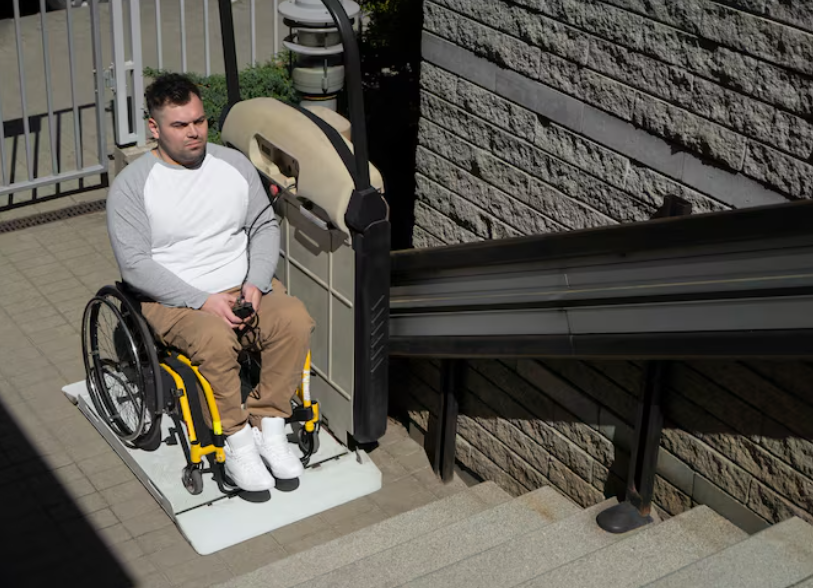


Maintaining independence at home is important for people of all ages, especially those who experience difficulty walking up and down stairs. Whether caused by aging, limited mobility, an injury, or a long-term physical condition, climbing stairs can become a challenging part of everyday life. Fortunately, modern mobility solutions make it easier to navigate different levels of a home safely and comfortably. Stair lifts provide a practical way to overcome these challenges while allowing homeowners to remain in familiar surroundings.
With the right equipment and professional stair lift installation, individuals can move between floors with greater confidence and less physical effort. These systems are designed to support daily activities, reduce the risks associated with stair climbing, and make homes more accessible for residents who need additional assistance.
Understanding How Stair Lifts Work
Stair lifts are motorized mobility devices that transport a person along a staircase using a chair attached to a rail. The rail is typically secured to the stair treads, and the chair moves smoothly between the upper and lower floors. Most systems include a seat, armrests, a footrest, a safety belt, and easy-to-use controls.
The user sits on the chair, fastens the safety belt, and operates the controls to travel along the staircase. Many models feature swivel seats that make getting on and off the lift easier at the top or bottom landing. Safety sensors can also detect obstacles on the stairs and stop the equipment when necessary.
These features make stair lifts suitable for many individuals who want to continue using every level of their home without relying entirely on assistance from family members or caregivers.
Benefits of Installing a Stair Lift
One of the most significant advantages of stair lifts is improved personal safety. Stairs can present a considerable challenge for people with balance difficulties, reduced muscle strength, joint discomfort, or limited mobility. A motorized lift reduces the need to climb steps repeatedly, helping users avoid situations that could result in a fall.
Another important benefit is independence. People who struggle with stairs may begin avoiding certain rooms or spending most of their time on a single floor. Installing a suitable mobility system allows them to access bedrooms, bathrooms, living spaces, and other essential areas more easily.
Stair lifts can also provide peace of mind for family members. Relatives often worry about loved ones navigating stairs without assistance. A properly selected system provides an additional layer of support, although users should still follow safety instructions and receive assistance when needed.
Comfort is another advantage. Modern equipment often includes padded seating, adjustable footrests, armrests, and smooth starting and stopping mechanisms. These features help make everyday movement between floors more convenient.
Different Types of Stair Lifts for Various Homes
Choosing the right stair lift begins with understanding the staircase layout and the user’s mobility needs. Several types of systems are available, each designed for specific conditions.
Straight Stair Lifts
Straight models are intended for staircases that run in a single direction without curves or intermediate turns. They are generally simpler to configure because the rail follows a straight path. These systems can be suitable for many traditional homes with straightforward staircases.
Curved Stair Lifts
Curved stair lifts are designed for staircases that include bends, landings, or changes in direction. Their rails are customized to follow the shape of the staircase. Because these systems require more detailed measurements and specialized manufacturing, planning is particularly important.
Outdoor Stair Lifts
Outdoor models help people navigate exterior steps leading to porches, gardens, patios, or entryways. They are built with weather-resistant materials and protective features intended for outdoor conditions. Regular maintenance helps preserve their performance and reliability.
Standing and Perch Stair Lifts
Some people find sitting difficult because of limited knee or hip movement. Standing or perch-style options may provide an alternative, depending on the user’s abilities and the manufacturer’s requirements. A qualified professional should assess whether this type of equipment is appropriate for the individual.
Why Professional Stair Lift Installation Matters
Selecting suitable equipment is only one part of creating a safer home. Professional stair lift installation helps ensure that the system fits the staircase, operates correctly, and meets the manufacturer’s installation requirements.
The process usually begins with an assessment of the home. An installer examines the staircase’s length, width, shape, and available clearance. They may also evaluate landing space, nearby doorways, electrical access, and the user’s physical requirements.
After the assessment, the installer recommends an appropriate model and determines the necessary rail configuration. Accurate measurements are especially important for curved staircases, where the rail must follow the stairs precisely.
During installation, the rail is secured according to the equipment specifications. The chair, motor, controls, and safety features are then assembled and tested. The installer checks the movement of the lift, verifies the operation of safety sensors, and confirms that the seat and footrest function properly.
Before completing the project, the professional should demonstrate how to operate the equipment, explain emergency procedures, and review basic maintenance requirements. Users should feel comfortable controlling the lift before relying on it for everyday transportation.
Factors to Consider Before Choosing a Stair Lift
Several considerations can help homeowners make an informed decision. The first is the user’s mobility level. Someone who can sit comfortably and transfer independently may benefit from a standard seated model, while another person may require a different configuration.
Staircase dimensions are equally important. Narrow stairs, tight turns, and limited landing space can influence which products are suitable. An in-home evaluation helps identify possible restrictions before purchasing equipment.
Weight capacity should also be considered. Every model has a specified maximum user weight, and selecting a system that accommodates the intended user is essential for safe operation.
Homeowners should evaluate ease of use, seating comfort, control placement, and available safety features. Battery backup may be beneficial because some systems can continue operating during a power interruption when their batteries are adequately charged.
Budget is another practical consideration. The total cost may depend on the staircase design, equipment features, customization, installation requirements, and any additional work needed at the property. Requesting a detailed estimate can help homeowners understand the expected expenses.
Maintaining Your Stair Lift for Long-Term Performance
Like other mechanical equipment, stair lifts require appropriate care to remain dependable. Routine maintenance can help identify minor issues before they develop into larger problems.
Users should keep the staircase and surrounding areas free from objects that could obstruct the lift. The chair, armrests, and footrest should be cleaned according to the manufacturer’s instructions. Rails and moving components should not be lubricated or adjusted unless the manufacturer specifically recommends it.
It is also important to pay attention to unusual noises, interrupted movement, warning lights, or changes in performance. If the equipment does not operate normally, users should stop using it and contact a qualified service professional.
Periodic inspections can help verify that important components remain in good condition. Depending on the model, professional servicing may include checking the rail, drive system, battery, electrical connections, seat belt, and safety sensors.
Making Homes More Accessible for the Future
Accessibility improvements can help homeowners remain in their properties as their needs change. A home that once felt easy to navigate may become more challenging over time, but practical modifications can make daily routines more manageable.
Stair lifts can complement other accessibility improvements, including handrails, better lighting, non-slip stair surfaces, and clear walking paths. Combining these measures can create a more supportive environment for people with mobility limitations.
Family members and caregivers may also find that accessibility equipment makes it easier to support loved ones while respecting their independence. However, the equipment should match the user’s physical abilities, and professional medical or rehabilitation advice may be helpful when mobility needs are complex.
Conclusion
Stair lifts offer an effective way to improve home accessibility for individuals who find traditional staircases difficult to navigate. By reducing the physical demands of climbing stairs, these systems can support greater independence, convenience, and confidence in everyday life.
Choosing the right equipment requires careful consideration of the staircase layout, user comfort, safety features, and long-term maintenance needs. Professional stair lift installation ensures that the system is fitted appropriately, tested thoroughly, and explained clearly to the user.
With proper planning and regular care, a stair lift can become a valuable addition to a home, helping residents access multiple floors more comfortably while continuing to enjoy the familiarity and independence of their living environment.