

Introduction
Liver cancer is a serious medical condition that requires specialized diagnosis, individualized treatment planning, and access to appropriate medicines. For hospitals, licensed pharmaceutical importers, healthcare distributors, and institutional procurement teams in Saint Catherine, Jamaica, finding a dependable pharmaceutical supplier is an important part of managing oncology medicine requirements.
India has an established pharmaceutical industry serving international markets. Indian pharmaceutical exporters can provide sourcing options for eligible buyers, subject to product availability, manufacturer requirements, quality documentation, and the regulations governing pharmaceutical imports in the destination country.
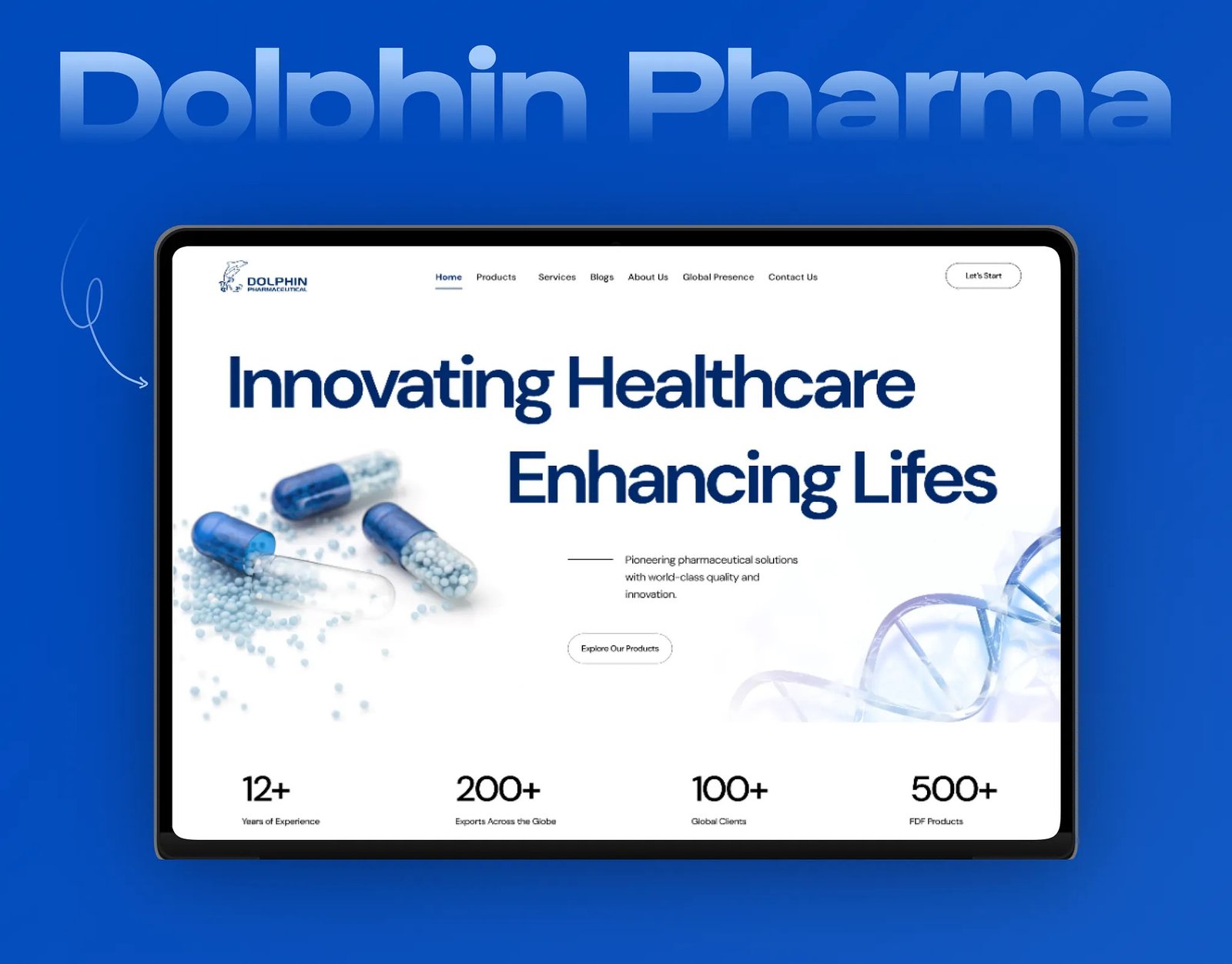
Dolphin Pharmaceutical, based in Surat, Gujarat, India, offers a pharmaceutical portfolio that includes an anti-cancer and oncology category. For organizations searching for a liver cancer drug supplier in Saint Catherine, Jamaica, the company may be considered for relevant product enquiries, with each requested medicine verified individually.
This article explains how buyers can evaluate pharmaceutical exporters from India, what to consider when sourcing liver cancer medicines, and why product quality, supplier transparency, and regulatory compliance are essential for international pharmaceutical procurement.
Understanding Liver Cancer Drugs
Liver cancer includes different types of cancer, and treatment depends on the specific diagnosis, disease stage, liver function, and overall health of the patient.
Hepatocellular carcinoma is the most common type of primary liver cancer. Intrahepatic cholangiocarcinoma develops in the bile ducts within the liver, while secondary liver cancer occurs when cancer spreads to the liver from another part of the body.
Depending on the clinical circumstances, treatment may involve surgery, liver transplantation, ablation, embolization, radiation-based approaches, or systemic medicines.
Medicines used for certain liver cancers may include targeted therapies, immunotherapies, and selected chemotherapy regimens. The appropriate option depends on the patient’s diagnosis and the treating oncology team’s assessment.
For pharmaceutical buyers, it is important to distinguish between medicines used for different cancer types. A product listed under a general oncology category is not automatically indicated for liver cancer. Each requested medicine should be checked for its approved indication, product information, and suitability for the intended market.
Treatment decisions must always be made by qualified healthcare professionals. Pharmaceutical exporters support procurement; they do not replace clinical advice or determine a patient’s treatment.
Why Consider an Indian Pharmaceutical Exporter?
International pharmaceutical buyers may evaluate Indian suppliers when looking for sourcing options for medicines and other healthcare products. However, the right supplier should be selected on the basis of product suitability, documentation, business credentials, and compliance rather than price alone.
1. Access to Pharmaceutical Product Options
A supplier can review the buyer’s requirements and clarify whether the requested medicine can be supplied or sourced.
To support an accurate quotation, buyers should provide the generic medicine name, strength, dosage form, pack size, required quantity, and preferred manufacturer where applicable.
Clear product specifications reduce the likelihood of ordering errors and help the supplier assess the enquiry more efficiently.
2. Manufacturer Transparency
Buyers should establish the identity of the actual medicine manufacturer and, where relevant, the manufacturing site.
A pharmaceutical exporter may supply medicines manufactured by third-party pharmaceutical companies rather than manufacturing every listed product itself. Manufacturer details should therefore be verified against the product label and supporting documentation.
3. Product Quality Documentation
Quality assurance is especially important when sourcing oncology medicines. Buyers should request documentation applicable to the specific product and shipment.
Depending on the medicine and regulatory requirements, documents may include product specifications, batch details, a Certificate of Analysis, and relevant manufacturing or quality certificates.
The documents should correspond to the actual product and manufacturing source. Any discrepancy should be clarified before the order proceeds.
4. Clear Commercial Communication
A dependable supplier should communicate commercial terms clearly. Buyers should understand the quotation validity, payment conditions, minimum order quantities where applicable, packaging specifications, estimated lead times, and shipping arrangements.
It is also important to distinguish between products currently available for supply and products that require additional sourcing or verification.
Dolphin Pharmaceutical: Pharmaceutical Supplier from India
Dolphin Pharmaceutical is based in Surat, Gujarat, India. Its published portfolio includes multiple pharmaceutical categories, including anti-cancer and oncology medicines.
The company’s catalogue lists selected oncology products associated with conditions such as blood cancer and prostate cancer. These listings do not establish that every medicine used for liver cancer treatment is available.
For licensed importers, healthcare distributors, and institutional procurement organizations in Saint Catherine, the appropriate next step is to submit a product-specific enquiry and verify the details before proceeding.
Buyers should confirm:
- The exact generic medicine name and brand, if applicable.
- Required strength, dosage form, and packaging.
- Manufacturer and manufacturing site.
- Current product availability and quotation.
- Relevant quality and regulatory documentation.
- Eligibility for import into Jamaica.
- Shipping arrangements and estimated delivery time.
These checks help buyers assess whether a proposed supply arrangement meets their commercial and regulatory requirements.
How to Select a Reliable Liver Cancer Drug Supplier in Saint Catherine
Choosing a pharmaceutical supplier involves more than comparing prices. Buyers should evaluate the supplier’s credentials, product documentation, regulatory readiness, and ability to coordinate the proposed shipment.
Verify Supplier Credentials
Confirm the supplier’s business details, relevant licences, and role in the pharmaceutical supply chain. Establish whether the company manufactures the medicine, distributes it, or sources it from another manufacturer.
Where required, verify that the manufacturer, exporter, and importing organization hold the appropriate authorizations for the transaction.
Provide Accurate Product Specifications
A clear product enquiry should identify the generic medicine name, strength, dosage form, required quantity, and manufacturer preference.
If the exact medicine has not been identified, the buyer should obtain the appropriate specification from a qualified healthcare professional. The supplier should not recommend a cancer medicine as a substitute for clinical assessment.
Review Batch and Quality Information
Request the documentation relevant to the medicine being considered. Check that the product name, manufacturer, batch information, expiry date, and other applicable details are consistent across the documents.
Resolving discrepancies before shipment helps reduce avoidable procurement and compliance problems.
Assess Storage and Transportation
Review the manufacturer’s storage instructions and ensure that the proposed shipping and storage arrangements are suitable for the product.
For shipments destined for Saint Catherine, buyers should consider international transit, customs clearance, local handling, and the remaining shelf life upon arrival. Any special handling conditions should be agreed upon before dispatch.
Compare Total Procurement Costs
The quoted product price is only one part of the overall procurement cost. Freight, insurance where applicable, customs-related expenses, documentation, and local handling can also affect the final cost.
A detailed quotation helps buyers compare suppliers and understand the commercial terms before confirming an order.
Pharmaceutical Import Requirements in Jamaica
Pharmaceutical imports into Jamaica are subject to national laws and regulatory procedures. The Ministry of Health and Wellness, through its Standards and Regulation Division, oversees pharmaceutical product registration and import permit processing.
The Ministry states that most pharmaceutical products require registration before importation, distribution, and sale. Import authorization may also be required, depending on the product and applicable regulations.
Before arranging a pharmaceutical shipment from India to Saint Catherine, buyers should verify:
- Whether the specific medicine is registered or otherwise approved for import.
- Whether an import permit or additional authorization is required.
- Whether the importing organization is appropriately authorized.
- Which product, manufacturer, and quality documents must be submitted.
- Whether labelling and packaging comply with local requirements.
- Whether additional restrictions or conditions apply to the medicine.
The exporter should also confirm that the proposed supply can be made lawfully and that the required documentation can be provided.
Important: Availability in India does not automatically mean a medicine is approved for import or sale in Jamaica. Buyers should confirm the current requirements with the relevant Jamaican authorities before placing an order or dispatching a shipment.
Documents to Check Before Ordering Liver Cancer Medicines
Documentation requirements vary according to the product, transaction, and destination-country regulations. Buyers should obtain a product-specific document checklist before shipment.
Commercial Documents
- Proforma invoice.
- Commercial invoice.
- Packing list.
- Purchase order and agreed sales terms.
- Applicable shipping documents.
Product and Quality Documents
- Product specifications.
- Manufacturer information.
- Batch number and expiry details.
- Certificate of Analysis, where applicable.
- Relevant manufacturing or quality certificates.
- Product registration or approval documents, where required.
Regulatory Documents
- Import permit or other applicable authorization.
- Certificates required by the relevant authorities.
- Supporting documentation for product assessment and customs clearance.
Not every document applies to every medicine. The importer should confirm the exact requirements for the proposed product and shipment with the relevant authorities and supply-chain partners.
Pharmaceutical Supply Planning for Saint Catherine
Reliable pharmaceutical procurement requires planning beyond the initial purchase. Hospitals, licensed distributors, and institutional buyers can improve their procurement processes by forecasting demand, monitoring shelf life, coordinating shipments, and maintaining product traceability.
Demand Forecasting
Estimate product requirements based on authorized procurement plans and anticipated demand. Careful forecasting can help organizations reduce avoidable shortages and unnecessary inventory accumulation.
Shelf-Life Management
Confirm the expiry date and any minimum remaining shelf-life requirement specified by the importer. Allow sufficient time for international transportation, customs clearance, and local distribution.
Shipment Coordination
Agree on the shipping method, estimated transit time, packaging, and handling requirements before dispatch. Communicate any special storage conditions clearly to the relevant supply-chain partners.
Product Traceability
Maintain appropriate supplier records, batch details, product documentation, and distribution records in line with applicable regulations and internal quality procedures.
These practices help procurement teams manage medicines responsibly throughout the supply chain.
Who Can Enquire About Oncology Medicines?
Potential business enquiries may come from:
- Licensed pharmaceutical importers in Jamaica.
- Authorized pharmaceutical wholesalers and distributors.
- Hospital procurement departments.
- Eligible institutional healthcare buyers.
- Other organizations legally permitted to procure the requested products.
A product-specific enquiry allows the supplier to assess sourcing requirements, commercial terms, and applicable documentation.
Individual patients should obtain cancer medicines through qualified healthcare professionals and authorized dispensing channels. International pharmaceutical sourcing does not replace medical advice, prescriptions, or regulatory authorization.
Frequently Asked Questions
1. Where can buyers in Saint Catherine find a liver cancer drug supplier?
Qualified Jamaican buyers can evaluate Indian pharmaceutical suppliers such as Dolphin Pharmaceutical for relevant product enquiries. Before proceeding, they should confirm the exact medicine, manufacturer, current availability, supporting documentation, and eligibility for import into Jamaica.
2. Does Dolphin Pharmaceutical supply all medicines used for liver cancer?
Not necessarily. Its published portfolio includes selected oncology products, but the availability of each medicine used in liver cancer treatment must be confirmed individually. Buyers should provide the generic name, strength, dosage form, and manufacturer preference.
3. Can liver cancer drugs be exported from India to Jamaica?
A shipment may proceed only when the product, exporter, and importer meet the applicable requirements. Buyers should verify product registration or approval, import permissions, and required documentation before shipment.
4. What details should buyers provide when requesting a quotation?
Buyers should provide the generic medicine name, strength, dosage form, required quantity, preferred manufacturer, destination country, and known documentation requirements. These details help the supplier assess the enquiry accurately.
5. How can buyers evaluate a pharmaceutical exporter?
Review the supplier’s business credentials, manufacturer transparency, product documentation, regulatory compliance, storage and shipping arrangements, commercial terms, and communication practices.
6. Are all oncology medicines suitable for liver cancer?
No. Oncology medicines are used for different diseases and indications. Treatment selection must be made by qualified healthcare professionals based on the patient’s diagnosis and clinical circumstances.
Conclusion
Finding a liver cancer drug supplier in Saint Catherine, Jamaica, requires careful evaluation of product suitability, manufacturer details, quality documentation, and regulatory eligibility. Indian pharmaceutical exporters may provide sourcing options for qualified Jamaican buyers, but each requested medicine and proposed shipment must be verified individually.
Dolphin Pharmaceutical, based in Surat, Gujarat, India, offers a pharmaceutical portfolio that includes anti-cancer and oncology products. Buyers seeking liver cancer medicines should confirm the exact product, current availability, manufacturer, supporting documentation, and export conditions through the company’s official business channels.
For hospitals, licensed importers, and pharmaceutical distributors serving Saint Catherine, clear product specifications, transparent supplier communication, and early regulatory verification can help support a responsible and dependable pharmaceutical procurement process.