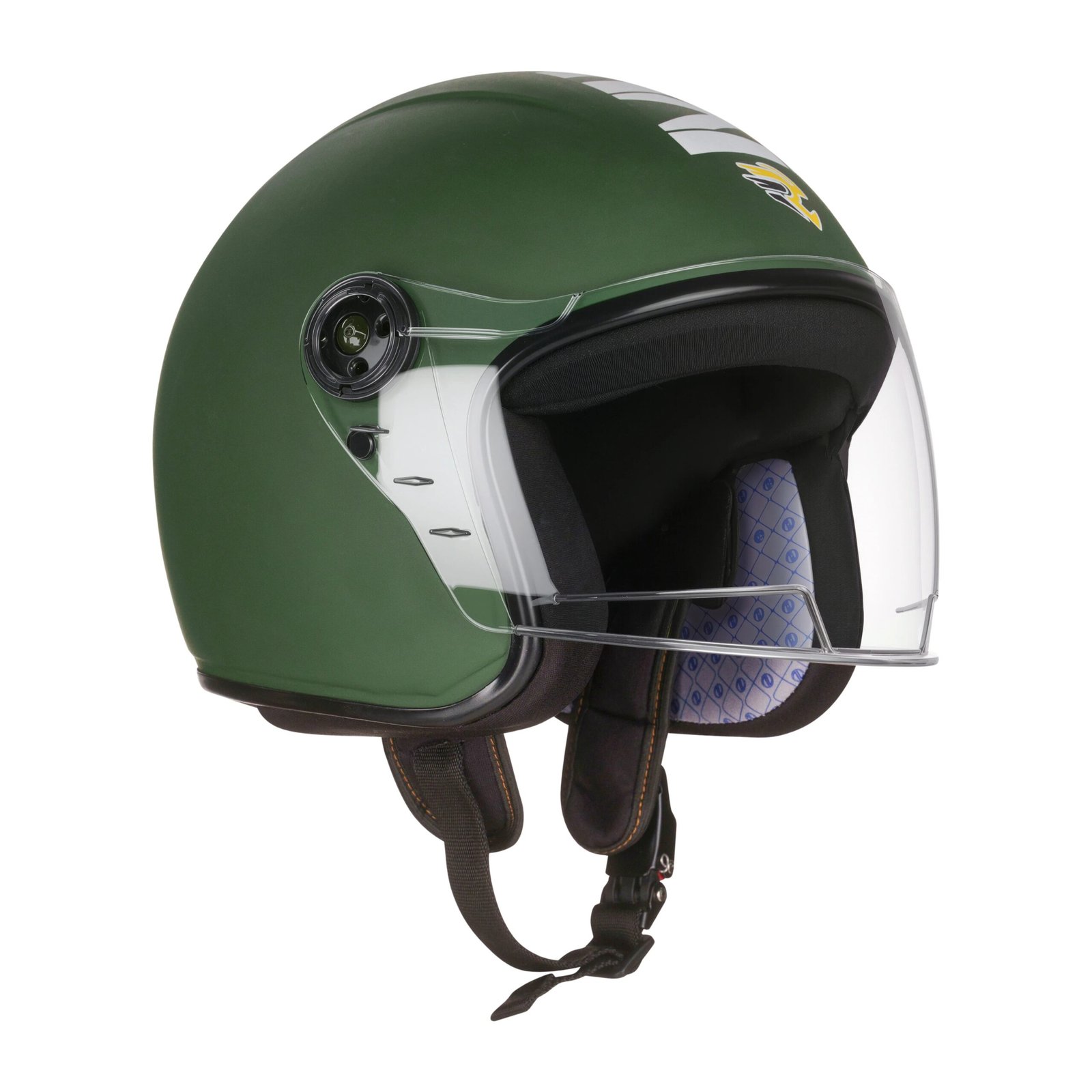


Choosing the right motorcycle helmet is an important part of preparing for every ride. Whether commuting to work, running daily errands, or taking short weekend trips, riders need head protection that suits their riding habits and feels comfortable throughout the journey. A half helmet for men is one option for riders who prefer a lightweight design, an open feel, and greater airflow while riding.
However, selecting a helmet involves more than appearance or convenience. Riders should understand the level of coverage a half helmet provides, the importance of safety standards, and the features that contribute to comfort. Making an informed choice can help balance everyday riding preferences with responsible road safety practices.
What Is a Half Helmet?
A half helmet is a motorcycle helmet design that generally covers the top of the head while leaving much of the face and jaw exposed. Compared with full-face helmets, it offers a more open design and often provides better airflow around the face.
Some riders prefer this style because it feels less enclosing, particularly during short rides or in warm weather. Its compact appearance may also appeal to those who favour a minimalist riding style.
Nevertheless, the amount of protection varies by helmet design and certification. A half helmet does not provide the same facial and chin coverage as a full-face helmet. Riders should understand this limitation before deciding whether the design suits their needs.
Why Riders Consider Half Helmets for Everyday Use
For many motorcycle users, daily riding involves short commutes, neighbourhood travel, and frequent stops. A helmet that feels manageable and comfortable can make these journeys more convenient.
Lightweight Feel
Many half helmets have a compact construction that can feel lighter than some larger helmet styles. A lighter helmet may be more comfortable for certain riders, although actual weight depends on the model, materials, and construction.
When choosing a helmet, check its stated weight and try it on if possible. It should sit securely without creating uncomfortable pressure points.
Open Design and Airflow
The open structure allows more air to reach the face, which some riders appreciate in warm conditions. It can also provide a less enclosed feeling compared with helmets that cover the entire face.
However, increased exposure also means that wind, dust, insects, rain, and road debris can reach the face more easily. Protective eyewear may help with eye exposure, but it does not replace the additional facial protection offered by a full-face helmet.
Convenient Everyday Handling
A compact helmet can be easier to handle and store than a bulkier design, depending on its dimensions. Riders who regularly park their motorcycles and carry their helmets may value this convenience.
Even so, portability should never be the deciding factor. A secure fit, reliable construction, and appropriate safety certification should remain the priorities.
Understanding Safety and Coverage
The most important consideration when buying a helmet is how well it protects the rider. Motorcycle crashes can happen during short trips as well as long journeys, and the consequences of head and facial injuries can be serious.
A half helmet for men generally offers less coverage than a full-face helmet because it leaves the face and jaw exposed. Riders should weigh this limitation carefully, especially when travelling in heavy traffic, at higher speeds, or on unfamiliar roads.
Before purchasing, check the applicable safety certification and ensure that the specific model complies with the regulations in your location. In India, buyers should look for the relevant BIS certification and confirm that the helmet is approved for motorcycle use. Do not rely solely on appearance, marketing claims, or the presence of a decorative sticker.
The helmet should also have a secure retention system, such as a properly functioning chin strap, that keeps it in place during a ride. A helmet that shifts easily or comes loose cannot provide its intended level of protection.
How to Find the Right Fit
A correctly fitting helmet is essential for comfort and protection. Even a helmet with suitable certification may not perform as intended if it is too loose, too tight, or positioned incorrectly.
Keep these points in mind when selecting a helmet:
- Measure your head: Use the manufacturer’s sizing guide to identify the appropriate size.
- Check the fit: The helmet should feel snug and even around the head without causing pain or excessive pressure.
- Test movement: Gently move the helmet from side to side. It should not rotate freely or slide around.
- Secure the chin strap: Fasten it according to the manufacturer’s instructions before riding.
- Inspect the padding: The inner lining should feel comfortable and remain securely fitted.
- Try it before buying: If possible, wear the helmet for several minutes to identify pressure points.
Avoid choosing a larger helmet simply because it feels easier to wear. A loose fit can compromise stability, while excessive tightness may make regular use uncomfortable.
Features to Look for Before Purchasing
The right features can improve everyday usability, but they should support rather than replace safety.
Shell construction: Check the materials and overall build quality. A well-made shell should have no visible cracks, defects, or loose components.
Inner padding: Comfortable, well-fitted padding can improve the wearing experience. Removable or washable liners may be useful if the manufacturer supports this feature.
Chin strap and buckle: The retention system should fasten securely and be easy to operate correctly.
Ventilation: Although half helmets naturally leave more of the head and face exposed, the design should still feel suitable for the conditions in which you ride.
Visibility and eyewear: Consider how the helmet works with suitable protective eyewear. Ensure that the eyewear fits comfortably and does not interfere with the helmet’s retention system.
Certification and labelling: Confirm the helmet’s approved use, safety markings, manufacturer information, and sizing details before purchase.
Caring for Your Helmet
Regular care helps maintain a helmet’s condition. Clean the exterior and interior according to the manufacturer’s instructions, using only recommended products. Avoid harsh chemicals that may damage the shell or lining.
Store the helmet in a cool, dry place away from direct sunlight, excessive heat, and heavy objects. Inspect the shell, padding, straps, and buckle regularly for damage or wear.
If a helmet has been involved in a significant impact, follow the manufacturer’s replacement guidance. Damage may not always be visible from the outside. Replace a helmet when required by its manufacturer or when its condition no longer meets safety requirements.
Final Thoughts
A half helmet for men may appeal to riders who value an open design, airflow, and convenient everyday handling. However, these advantages need to be considered alongside its limited coverage, particularly the lack of protection for the face and jaw.
Before buying, prioritise recognised safety certification, a secure fit, reliable construction, and clear manufacturer guidance. Consider your usual routes, traffic conditions, and personal safety needs when comparing helmet styles. The best choice is not simply the one that looks good or feels lightweight, but the one that offers an appropriate balance of comfort, fit, and protection for your riding requirements.