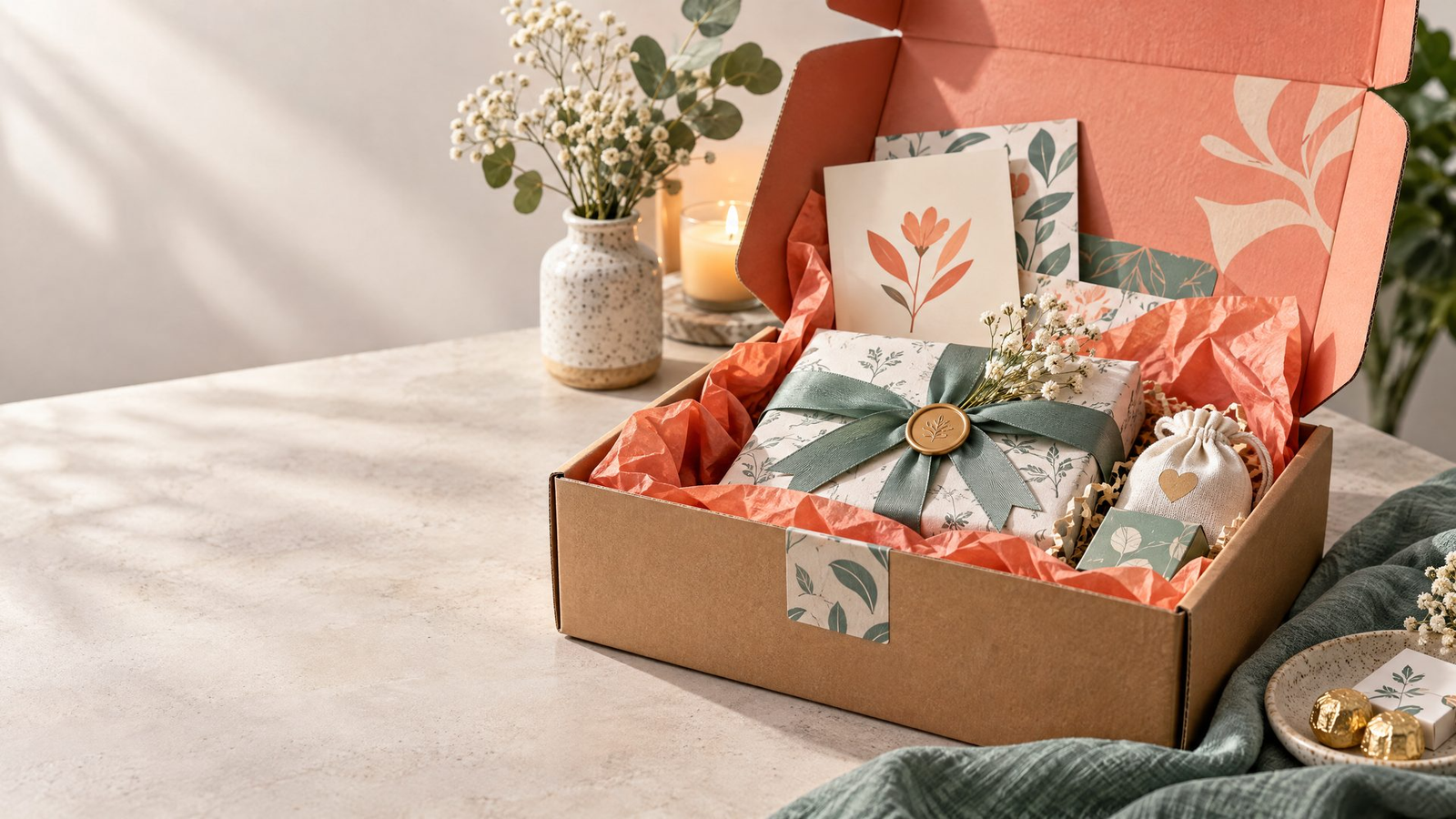


Online shopping has changed how customers discover and purchase products. From skincare and jewelry to clothing and handmade gifts, customers often make their buying decisions based on product images, descriptions, reviews, and brand presentation. However, the customer experience does not end when an order is placed. The packaging that arrives at their doorstep can also influence how they perceive the business.
For e-commerce brands, packaging serves two important purposes: protecting products during delivery and creating a positive experience when customers open their orders. Thoughtful packaging design can help businesses stand out, communicate their identity, and encourage customers to remember their brand.
So, how can businesses create packaging that customers recognize and appreciate? Here are seven practical considerations.
1. Understand Your Target Customers
Before selecting packaging materials, colors, or designs, consider who will receive your products. Different audiences have different expectations.
A skincare brand may prefer clean, elegant packaging that reflects its product positioning. A handmade jewelry business might choose compact boxes with carefully arranged inserts, while a bakery may need packaging that protects delicate items and presents them attractively.
Think about your customers’ preferences, purchasing habits, and expectations. Consider whether they value convenience, premium presentation, sustainability, or affordability.
Understanding your audience helps you make packaging decisions that serve a clear purpose rather than simply following design trends.
2. Choose Packaging That Protects the Product
Attractive packaging is valuable, but product protection must come first. Packages may experience movement, stacking, pressure, and changes in handling conditions during shipping.
The appropriate packaging depends on the product’s size, weight, fragility, and shipping method. Fragile products may require protective inserts, cushioning, or sturdy outer boxes. Clothing and other flexible products may need less rigid packaging, while food products can require materials designed for hygiene and product freshness.
Before launching a packaging design, test how well it protects the product under realistic shipping conditions. Check for movement inside the box, weak closures, damaged corners, and other potential problems.
Packaging that reduces preventable damage can help businesses avoid unnecessary replacements, refunds, and customer complaints.
3. Make Your Brand Identity Consistent
Packaging is an opportunity to reinforce your brand identity. Consistent use of logos, colors, typography, and visual elements can make a business easier to recognize.
Start by identifying the visual characteristics that represent your brand. A luxury-oriented business might use restrained colors and minimal typography, while a playful lifestyle brand could use brighter colors and expressive illustrations.
Consistency matters more than adding too many design elements. A clear logo, readable text, and a recognizable color palette can create a stronger impression than an overcrowded design.
Businesses exploring customized packaging options can visit Vexa Packaging to learn more about packaging solutions that support product presentation and brand identity.
4. Create a Positive Unboxing Experience
The unboxing experience is the moment when customers first see the physical product and its packaging together. A thoughtful presentation can make this interaction feel organized, convenient, and enjoyable.
Small details can make a difference. For example, businesses might use neatly arranged inserts, easy-to-open closures, attractive tissue paper, or a simple thank-you card. The best choices depend on the product and the customer experience the brand wants to create.
However, businesses do not need to add expensive extras to every order. A clean, well-organized package that protects the product and communicates care may be more effective than unnecessary decorative materials.
The goal is to make opening the package feel like a natural extension of the brand experience.
5. Balance Visual Appeal With Shipping Costs
Packaging decisions also affect operating costs. Oversized boxes, unnecessary layers, and heavy materials can increase shipping expenses and create avoidable waste.
To improve efficiency, measure products carefully and select packaging that provides sufficient protection without excessive empty space. Where practical, consider packaging sizes that work for multiple products without compromising fit or presentation.
Businesses should also evaluate dimensional weight, which carriers may use to calculate shipping charges based on package size rather than actual weight.
Testing different packaging options can help identify a practical balance between protection, appearance, and cost. This is especially important for small businesses working with limited budgets or shipping orders in growing volumes.
6. Consider Materials and Waste
Customers and businesses are paying increasing attention to packaging waste. Choosing appropriate materials and avoiding unnecessary packaging can support more responsible shipping practices.
Depending on the product and local recycling facilities, businesses may consider recyclable paperboard, right-sized cardboard boxes, or materials made with recycled content. They should also review whether protective components can be reduced without increasing product damage.
Environmental claims should be accurate and specific. For example, a business should not describe packaging as recyclable everywhere if local recycling systems cannot process its materials.
A practical approach is to evaluate the entire packaging setup, including the outer box, inserts, protective wrapping, labels, and tape. Reducing unnecessary components can simplify packaging while preserving its essential functions.
7. Test, Measure, and Improve Your Packaging
Packaging design should not be treated as a one-time decision. Customer feedback, shipping results, and operational costs can reveal opportunities for improvement.
Businesses can begin with a small test before adopting a new packaging design across all orders. Track useful measures such as product damage, customer complaints, packaging costs per order, shipping expenses, and feedback about the unboxing experience.
If customers regularly report damaged products, the packaging may need stronger protection. If shipping costs are unusually high, reviewing package dimensions may help. If customers find packaging difficult to open, a different closure could improve usability.
Customer reviews and direct feedback can also reveal which details customers appreciate and which features are unnecessary.
By making decisions based on evidence, businesses can improve packaging over time rather than relying only on assumptions.
Final Thoughts
Memorable e-commerce packaging combines product protection, thoughtful design, brand consistency, and practical cost management. It should reflect the business’s identity while meeting the needs of customers who receive orders at home or work.
Small businesses do not need the most expensive packaging to create a positive impression. Understanding the target audience, choosing suitable materials, designing a convenient unboxing experience, and testing packaging performance can all contribute to better results.
Ultimately, the most effective packaging is packaging that works well for the product, the customer, and the business. When these priorities are considered together, packaging becomes more than a shipping container: it becomes a meaningful part of the overall customer experience.