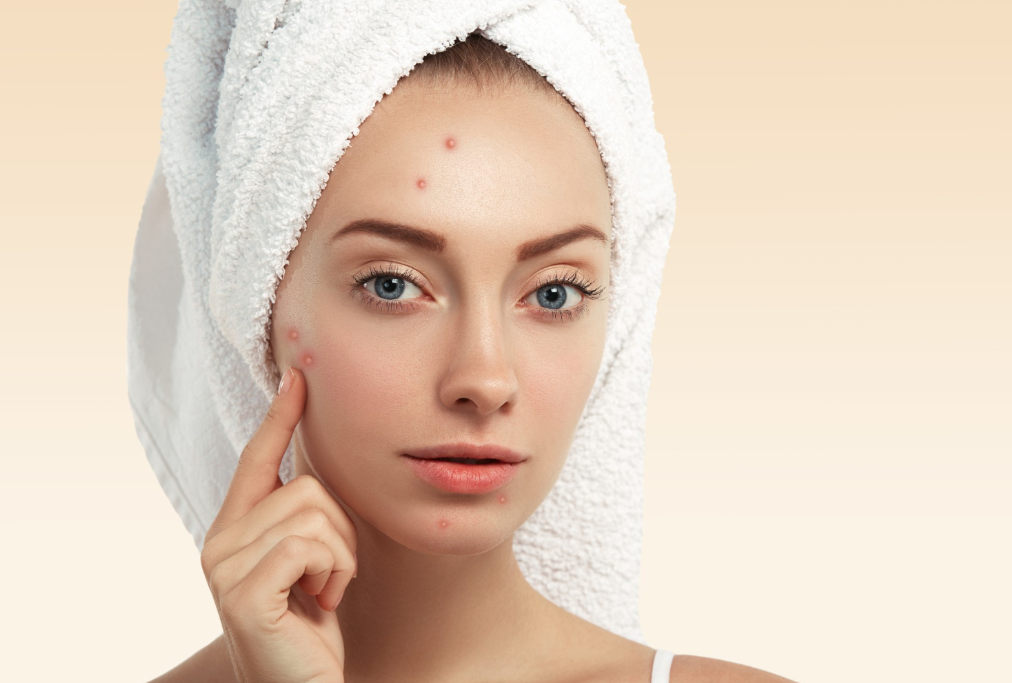


Acne is one of the most common skin concerns, affecting people of different ages and skin types. Breakouts, blocked pores, inflamed spots, and lingering marks can influence the overall appearance of the complexion and make it difficult to maintain smooth-looking skin. Finding the right treatment often begins with understanding the causes of acne and choosing a skincare approach that suits individual needs.
Acne Treatment In Manchester offers individuals the opportunity to explore personalised solutions for managing breakouts, improving skin texture, and supporting a clearer-looking complexion. Modern acne care may include professional skin assessments, targeted skincare products, and selected aesthetic treatments, depending on the type and severity of the condition.
At SLA Medical Clinic, individuals can discuss their skin concerns and explore suitable treatment options based on their skin type, acne history, and desired results. A personalised approach can help establish realistic expectations and create a treatment plan that addresses both active breakouts and the appearance of post-acne marks.
Understanding Acne and Its Causes
What Is Acne?
Acne is a common skin condition that develops when hair follicles become blocked with oil, dead skin cells, and other debris. The skin naturally produces sebum, an oily substance that helps maintain its protective barrier. However, excess sebum combined with the accumulation of dead skin cells can contribute to blocked pores and breakouts.
Acne can appear on the face, forehead, chin, chest, shoulders, and back. Its appearance varies from person to person, ranging from occasional blackheads and whiteheads to more noticeable inflamed spots.
Understanding the type of acne is an important first step towards selecting an appropriate treatment.
Common Factors That Contribute to Acne
Several factors can influence the development of acne, including:
- Excess sebum production
- Blocked hair follicles
- Hormonal fluctuations
- The presence of acne-associated bacteria
- Genetic predisposition
- Certain skincare or cosmetic products
- Stress and lifestyle-related influences
These factors can interact differently for each individual. As a result, a skincare routine that works well for one person may not produce the same results for another.
The Role of Hormones
Hormonal changes can influence oil production and contribute to acne. Breakouts may become more noticeable during adolescence, around menstrual periods, or during other periods of hormonal fluctuation.
Some adults continue to experience acne beyond their teenage years, particularly around the chin and jawline. Understanding these patterns can help guide a more personalised treatment strategy.
Why Choose Acne Treatment In Manchester?
A Personalised Approach to Skin Care
Acne is not the same for everyone. Some individuals experience occasional breakouts, while others have persistent clogged pores, inflamed spots, or marks that remain after blemishes have healed.
Acne Treatment in Manchester can involve a tailored approach that considers the individual’s skin condition, existing routine, and long-term goals.
At SLA Medical Clinic, a consultation can help identify the main concerns and establish which treatment options may be appropriate.
Addressing More Than Active Breakouts
Effective acne management often involves more than treating individual spots. It may also include improving the appearance of clogged pores, supporting a balanced skin barrier, reducing the likelihood of new breakouts, and managing post-acne discolouration.
A well-planned treatment strategy considers these different concerns instead of focusing exclusively on the visible blemishes.
Supporting a Healthier-Looking Complexion
The goal of acne care is to support clearer-looking skin while maintaining its overall condition. Suitable products, professional guidance, and consistent skincare habits can contribute to gradual improvements in the complexion.
Results depend on the type of acne, the treatment selected, and how consistently the recommended routine is followed.
Different Types of Acne
Whiteheads and Blackheads
Whiteheads and blackheads are forms of comedonal acne caused by blocked hair follicles.
Whiteheads develop when a pore becomes blocked beneath the skin’s surface. Blackheads form when the contents of an open pore react with air, creating a darker appearance.
These types of acne may respond to ingredients such as salicylic acid or retinoids, depending on individual suitability and the recommended skincare routine.
Inflammatory Acne
Inflammatory acne may appear as red, swollen spots or pus-filled blemishes. These breakouts can be more noticeable than non-inflammatory acne and may require targeted treatment.
A professional assessment can help determine the appropriate approach according to the severity and distribution of the breakouts.
Hormonal Acne
Hormonal acne is often associated with changes in hormone levels that influence sebum production. It may appear around the lower face, particularly the chin and jawline, although patterns vary.
Treatment may involve topical products or, where appropriate, medical treatment selected by a qualified clinician.
Acne-Related Marks
After a blemish heals, the skin may retain a flat area of red, pink, brown, or darker discolouration. These marks are not always permanent scars and may gradually fade over time.
Post-inflammatory hyperpigmentation is particularly relevant for individuals whose skin develops dark marks following inflammation. Treatment may focus on preventing new breakouts and improving the appearance of existing discolouration.
Acne Scarring
Some forms of acne can leave changes in the skin’s texture, including shallow depressions or raised scars.
Acne scars are different from temporary dark marks and may require specific professional treatments. Options depend on the type of scar, skin characteristics, and individual goals.
Modern Acne Treatment Options
Professional Skin Assessment
A suitable treatment plan begins with an assessment of the skin. This may involve examining the type of acne, the areas affected, the presence of post-acne marks, and the products currently being used.
At SLA Medical Clinic, a personalised consultation can help identify the main treatment priorities and determine which options may be suitable.
This assessment is particularly helpful when breakouts persist despite using over-the-counter products or when several different skin concerns occur together.
Topical Acne Treatments
Topical treatments are applied directly to the skin and are commonly used to manage mild to moderate acne.
Depending on the individual’s needs, recommended products may include:
- Salicylic acid: Helps exfoliate inside the pores and remove accumulated dead skin cells.
- Benzoyl peroxide: Helps reduce acne-associated bacteria and can support the management of inflammatory breakouts.
- Topical retinoids: Help regulate skin cell turnover and reduce the formation of blocked pores.
- Azelaic acid: May help improve acne and the appearance of post-inflammatory discolouration.
- Niacinamide: Can support the skin barrier and help manage the appearance of excess oil and redness.
Not every ingredient is suitable for every skin type. Introducing products gradually and following professional guidance can help establish a routine that fits individual needs.
Professional Acne-Focused Facials
Certain professional facials focus on cleansing the skin, removing surface impurities, and supporting a more balanced-looking complexion.
Depending on the approach used, these treatments may include gentle exfoliation and products selected for acne-prone skin.
Professional facials are generally best considered as part of a broader acne management plan rather than as a replacement for evidence-based acne treatment.
Chemical Peels for Acne-Prone Skin
Chemical peels use selected acids to encourage exfoliation and skin renewal. Depending on the formulation, they may help improve the appearance of clogged pores, uneven texture, and certain post-acne marks.
Different peels have different strengths and purposes. The appropriate option depends on the individual’s acne, skin tone, sensitivity, and treatment goals.
A professional assessment can help determine whether a chemical peel is suitable and how it may fit into the overall treatment plan.
Treatments for Acne Scarring
For individuals whose main concern is uneven skin texture after acne, certain procedures may help improve the appearance of scars.
Depending on the scar type, options may include microneedling, selected laser procedures, or other professional treatments. These approaches work differently and are not interchangeable.
The most suitable treatment depends on the depth and type of scarring, the skin’s characteristics, and the individual’s expectations.
Medical Treatment for Persistent Acne
Some forms of acne require medical treatment beyond skincare products and cosmetic procedures.
Depending on the circumstances, a qualified clinician may consider prescription topical treatments or oral medication. The choice depends on the type and severity of acne, medical history, and individual suitability.
Persistent, painful, or deeply inflamed acne is best assessed by an appropriately qualified healthcare professional.
How Does an Acne Treatment Plan Work?
Step One: Identify the Main Skin Concerns
The first step is understanding what is happening beneath the surface. Your practitioner may consider whether the primary concern is blocked pores, inflammatory acne, hormonal breakouts, post-acne pigmentation, or scarring.
Identifying these concerns helps ensure that the selected approach targets the most relevant issues.
Step Two: Choose Suitable Treatments
After the assessment, the treatment plan can be tailored to the skin’s needs. This may involve topical products, professional procedures, medical treatment, or a combination of approaches.
The aim is to create a practical plan that addresses active acne while supporting the skin’s overall condition.
Step Three: Establish a Consistent Routine
Consistency is important when managing acne. Using suitable products regularly, following professional instructions, and avoiding frequent changes to the skincare routine can help make progress easier to evaluate.
Step Four: Review Progress
Acne treatment often takes time. Follow-up assessments can help determine whether breakouts are becoming less frequent, whether the skin is responding to the products, and whether the treatment plan needs adjustment.
Benefits of Personalised Acne Treatment
A More Targeted Approach
A personalised plan focuses on the individual’s specific acne concerns rather than relying on a generic routine.
This can help prioritise the most relevant products and treatments while avoiding unnecessary steps.
Improved Appearance of Breakouts
Appropriate acne treatment can help reduce the formation of blocked pores, manage inflammatory spots, and support clearer-looking skin over time.
The degree of improvement depends on the type of acne and the treatment used.
Support for Post-Acne Marks
Some acne treatments also help improve the appearance of discolouration left after blemishes have healed.
Managing active acne alongside post-inflammatory marks can support a more even-looking complexion.
A More Manageable Skincare Routine
Using too many products can make acne care confusing. Professional guidance can help simplify the routine and identify the ingredients most relevant to the skin’s needs.
Long-Term Skin Maintenance
Acne can return even after a period of improvement. A maintenance routine can help manage ongoing breakouts and support the condition of the skin over time.
Who Can Benefit From Acne Treatment?
Teenagers Experiencing Breakouts
Hormonal changes during adolescence can increase oil production and contribute to blocked pores. A suitable skincare routine and appropriate treatment can help teenagers manage breakouts.
The products and treatment approach should be selected according to the individual’s age, skin condition, and professional recommendations.
Adults With Persistent Acne
Adult acne may continue for years or develop later in life. Breakouts can be influenced by hormonal fluctuations, skincare products, and other individual factors.
A personalised assessment can help identify potential contributors and determine appropriate treatment options.
Individuals With Oily or Congested Skin
People who experience excess oil, blackheads, or frequent blocked pores may benefit from a routine designed to manage congestion without unnecessarily drying out the skin.
The goal is to balance effective acne care with maintaining the skin’s protective barrier.
People Concerned About Post-Acne Marks
Individuals whose main concern is lingering discolouration or uneven texture may require an approach that addresses both the marks and any ongoing breakouts.
Distinguishing between pigmentation and true scarring is important when selecting the most appropriate treatment.
Acne Treatment Cost In Manchester
What Determines Acne Treatment Prices?
The Acne Treatment Cost In Manchester varies according to the type of acne, the treatment method, and the number of appointments or products required.
There is no single price that applies to everyone because acne can range from occasional blocked pores to persistent inflammatory breakouts or established scarring.
Factors that may influence the overall cost include:
- The type and severity of acne
- The treatment area
- The professional treatment selected
- The number of sessions recommended
- The skincare products required
- Whether prescription treatment or further clinical assessment is needed
- The complexity of the personalised treatment plan
Understanding these factors can help individuals plan their treatment and make informed decisions.
Cost of Different Acne Treatments
The cost of acne care depends partly on whether the approach involves skincare products, professional procedures, or medical treatment.
Topical skincare may involve ongoing product expenses. Professional facials and chemical peels may be priced per appointment or as part of a treatment course. Procedures for acne scarring can have different costs depending on the technology used and the number of sessions needed.
Persistent acne may also require clinical assessment and prescription treatment, where appropriate.
Why a Personalised Consultation Matters
A consultation helps determine which treatment options are appropriate for the individual’s skin concerns and provides an opportunity to discuss the expected cost.
At SLA Medical Clinic, individuals can ask about the Acne Treatment Cost In Manchester, the recommended treatment plan, and any ongoing skincare requirements.
Before proceeding, it is helpful to understand what the quoted price includes and whether additional appointments or products may be needed.
How Long Does Acne Treatment Take to Work?
Early Improvements
Some individuals may notice changes in oiliness or the appearance of their skin during the early stages of treatment. However, visible improvements in acne generally take longer.
The timeline depends on the ingredients used, the severity of the breakouts, and how consistently the treatment is followed.
Allowing Time for Results
Many topical acne treatments require approximately six to eight weeks before early improvements become apparent. A clearer assessment of progress may take around two to three months, although individual timelines vary.
Some forms of acne may require a longer treatment period or additional medical care.
Maintaining Improvements
Once acne becomes more manageable, ongoing maintenance may be recommended to reduce the likelihood of new breakouts.
Your practitioner can advise which products to continue using and whether the treatment plan should be adjusted as the skin improves.
Daily Skincare Tips for Acne-Prone Skin
Cleanse Gently
Use a gentle cleanser suited to your skin type. Cleansing helps remove excess oil, sweat, sunscreen, and everyday impurities without unnecessarily stripping the skin.
Washing the face too frequently or scrubbing aggressively can irritate the skin and make a routine harder to maintain.
Choose Non-Comedogenic Products
Non-comedogenic skincare and cosmetic products are formulated to be less likely to block pores.
If you frequently experience breakouts, check product labels and consider whether any recently introduced products coincide with changes in your skin.
Moisturise Regularly
Moisturiser can help support the skin barrier, including when using acne treatments that cause dryness.
Choose a product appropriate for your skin type and use it consistently as part of your routine.
Use Sun Protection
Daily sunscreen helps protect the skin from ultraviolet exposure and may reduce the likelihood of post-acne marks becoming more noticeable.
A broad-spectrum sunscreen with SPF 30 or higher is a useful part of an everyday skincare routine.
Avoid Picking or Squeezing Spots
Picking and squeezing blemishes can worsen inflammation and increase the likelihood of lingering marks or scars.
Allowing blemishes to heal naturally and using suitable acne treatments can support a more consistent approach to managing breakouts.
Acne Treatment Compared With Other Skin Treatments
Acne Treatment and Pigmentation Treatment
Acne treatment focuses on managing active breakouts and preventing blocked pores. Pigmentation treatment focuses on improving uneven skin tone and dark marks.
Because acne can leave post-inflammatory hyperpigmentation, some individuals benefit from a plan that addresses both concerns in an appropriate sequence.
Acne Treatment and Microneedling
Acne treatment aims to manage active breakouts, while microneedling is more commonly considered for certain types of acne scarring and uneven skin texture.
Microneedling is not generally the first choice for active inflammatory acne. A practitioner should assess the skin and determine when, or whether, a scar-focused procedure is appropriate.
Acne Treatment and Chemical Peels
Chemical peels may help improve certain forms of acne and post-acne discolouration, depending on the ingredients and treatment approach.
They are one possible component of acne care rather than a universal solution. The choice of treatment should reflect the individual’s skin condition and goals.
Why Choose SLA Medical Clinic for Acne Treatment In Manchester?
Personalised Skin Assessment
Acne can have different causes and appear in several forms. Understanding the individual’s skin concerns is essential when choosing an appropriate treatment strategy.
At SLA Medical Clinic, a consultation provides an opportunity to discuss breakouts, skin texture, existing marks, and previous skincare approaches.
Treatment Planning Around Individual Needs
A personalised plan can focus on active acne, clogged pores, post-inflammatory pigmentation, or acne scarring according to the individual’s priorities.
This approach helps ensure that treatment recommendations are relevant to the person’s skin condition and desired outcome.
Guidance on Skincare and Treatment Options
Understanding how different treatments work can help individuals choose an appropriate approach and maintain realistic expectations.
Professional guidance can also help establish a manageable routine and identify when further clinical assessment may be appropriate.
Clear Information About Treatment Costs
Understanding the expected price is an important part of treatment planning.
Discussing the Acne Treatment Cost In Manchester allows individuals to consider the recommended options, possible follow-up appointments, and ongoing skincare needs before making a decision.
Frequently Asked Questions About Acne Treatment In Manchester
What is the best treatment for acne?
The most appropriate treatment depends on the type and severity of acne. Options may include topical products, professional treatments, and prescription medication where appropriate. A personalised assessment helps identify the best approach for individual needs.
Can acne be treated at any age?
Acne affects both teenagers and adults. Treatment can be tailored to the individual’s age, skin condition, medical history, and specific concerns.
How long does acne treatment take to show results?
Many treatments require approximately six to eight weeks before early improvements become noticeable. More substantial improvement may take several months, depending on the type of acne and treatment plan.
Can acne treatment improve dark spots?
Some treatments can help improve post-inflammatory hyperpigmentation, which appears as dark marks after a breakout. The most suitable approach depends on the skin tone, type of discolouration, and whether active acne is still present.
Can acne scars be treated?
Certain treatments, including microneedling and selected laser procedures, may improve the appearance of some acne scars. The appropriate option depends on whether the scars are depressed, raised, or associated with pigmentation.
Should I moisturise if I have acne-prone skin?
Yes. A suitable moisturiser can help maintain the skin barrier and support a comfortable skincare routine. Choosing a non-comedogenic formula can be helpful for people who are prone to blocked pores.
How much does acne treatment cost in Manchester?
The Acne Treatment Cost In Manchester depends on the type of treatment, severity of acne, number of sessions, and any recommended skincare products. A consultation can help clarify the expected cost for an individual treatment plan.
Can acne return after treatment?
Yes. Acne can recur because of hormonal changes, ongoing oil production, and other contributing factors. A maintenance routine may help manage future breakouts and support longer-term improvements.
Is professional acne treatment suitable for sensitive skin?
Some treatments can be adapted for sensitive skin, but product selection and treatment intensity are important. A professional assessment can help identify suitable options based on the skin’s condition and sensitivity.
What should I avoid if I have acne?
Avoid aggressive scrubbing, frequent product changes, and picking or squeezing blemishes. It is also helpful to avoid products that consistently irritate your skin and to follow a routine suited to your needs.
Book an Acne Treatment Consultation In Manchester
Acne can affect the appearance of the complexion through active breakouts, clogged pores, lingering dark marks, and changes in skin texture. Finding an appropriate treatment begins with understanding the underlying concerns and selecting options that suit the individual’s skin.
Acne Treatment in Manchester offers a personalised approach to managing breakouts and supporting a clearer, healthier-looking complexion. From targeted skincare to selected professional procedures, treatment options can be adapted according to individual needs and goals.
At SLA Medical Clinic, you can discuss your skin concerns, explore appropriate treatment options, and ask about the Acne Treatment Cost In Manchester before deciding on a treatment plan.
With consistent skincare, suitable professional guidance, and a personalised approach, it is possible to work towards clearer-looking skin and better long-term management of acne.