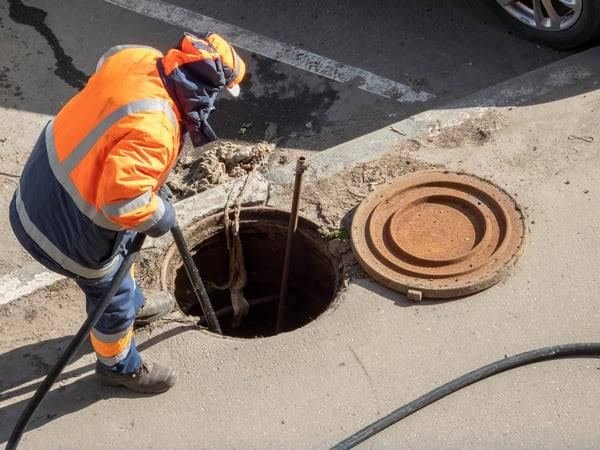


Buying a home involves more than checking the roof, walls, flooring, and appliances. Some of the most expensive property problems can develop underground, where homeowners cannot easily see them. One example is damage to the sewer line that carries wastewater away from the house. This is why buyers and homeowners often ask, what is sewer scope inspection, and whether it is worth scheduling before purchasing a property.
A sewer line can develop cracks, blockages, root intrusion, and other problems over time. Unfortunately, these defects may remain hidden until wastewater begins backing up into the home or the property requires expensive repairs. A professional camera inspection provides a closer look inside the underground sewer line and helps homeowners understand its visible condition before a small concern becomes a major inconvenience.
What Is a Sewer Scope Inspection?
A sewer scope inspection is a specialized video examination of a property’s main underground sewer line. It uses a waterproof camera attached to a flexible cable that is carefully inserted into the pipe through an accessible opening, commonly a sewer cleanout.
As the camera moves through the line, it sends live images to a monitor. The inspector watches the footage to evaluate the visible interior condition of the pipe, identify possible obstructions, and document defects.
The inspection generally covers the lateral sewer line running from the house near its foundation toward the municipal sewer connection or private septic tank. The exact portion examined depends on accessibility, the property’s plumbing configuration, and the inspection agreement.
For homeowners researching what is sewer scope inspection, the important distinction is that this service examines the inside of an underground pipe using specialized equipment. It is different from a standard home inspection, which generally cannot visually evaluate buried sewer lines.
How Does a Sewer Scope Inspection Work?
The process is generally straightforward and does not normally require digging up the yard.
- Locate an access point
The inspector identifies an appropriate access point, usually an exterior or interior cleanout. Access arrangements depend on the property’s plumbing system and the equipment being used.
- Insert the inspection camera
A flexible cable with a waterproof camera is carefully introduced into the sewer line. The camera is designed to travel through the pipe while transmitting images to a monitor.
- Examine the interior of the pipe
As the camera moves through the line, the inspector looks for visible cracks, blockages, root intrusion, standing water, separated joints, and other potential concerns.
- Record important findings
The camera footage can document the condition of the inspected pipe. Depending on the service, the client may receive a video recording and written inspection report.
- Recommend further evaluation when necessary
If significant defects are identified, the homeowner may need a licensed plumbing or sewer contractor to determine the appropriate repair options and costs.
What Problems Can a Sewer Scope Inspection Find?
An underground sewer line can experience several types of deterioration and obstruction. A camera inspection may reveal conditions such as:
Tree Root Intrusion
Tree roots can enter sewer pipes through openings or damaged joints while searching for moisture. As roots grow, they may restrict wastewater flow and contribute to recurring blockages or additional pipe damage.
Cracked or Broken Pipes
Underground pipes can crack because of age, ground movement, installation problems, or external pressure. A damaged section may allow wastewater to escape or surrounding material to enter the line.
Blockages and Buildup
Grease, debris, foreign objects, and accumulated material can restrict the flow of wastewater. A camera may help identify the location and extent of visible obstructions.
Offset or Separated Pipe Joints
Pipe sections can shift out of alignment over time. These displaced connections may interfere with wastewater flow and create locations where debris or roots can accumulate.
Standing Water and Pipe Bellies
A sagging section of sewer pipe can collect water instead of allowing wastewater to flow properly. This condition is often called a belly and may contribute to repeated drainage problems.
Collapsed or Deteriorated Pipes
Severe deterioration can cause a sewer line to partially or completely collapse. A camera inspection may reveal visible signs of structural failure that require professional repair.
When Should You Schedule a Sewer Scope Inspection?
A sewer camera inspection can be useful in several situations, particularly when underground pipe conditions are uncertain.
Before purchasing an older home: Older properties may have aging sewer lines or materials that have deteriorated over time. An inspection can help buyers understand the visible condition of the accessible lateral line before closing.
When drains repeatedly become clogged: If multiple fixtures experience slow drainage or recurring backups, the main sewer line may need further evaluation.
When sewage backs up into the property: Wastewater backing up through toilets, tubs, or floor drains may indicate a blockage or another sewer system problem.
When trees are located near sewer lines: Root intrusion is a recognized cause of sewer lateral defects, especially where roots can reach damaged joints or openings.
Before major plumbing repairs: A camera inspection can help identify the location of visible defects before a contractor recommends a repair approach.
When buying a home with a septic system: A sewer scope may help evaluate the building’s lateral line toward the septic tank, but it does not replace a separate septic system inspection.
Is a Sewer Scope Inspection Included in a Standard Home Inspection?
Usually, no. A standard home inspection generally evaluates visible and accessible plumbing components, but underground sewer lines cannot be examined internally without specialized equipment.
A sewer scope inspection is typically offered as an additional service. Buyers should ask their home inspector whether sewer camera inspections are available and confirm exactly which portions of the system will be evaluated.
It is also important to understand that a camera inspection has limitations. It does not guarantee that the entire plumbing system is free of defects, identify every leak, or predict how long a sewer line will last. The camera only shows the conditions visible in the portion of the pipe successfully inspected at that time.
Why Florida Homeowners Should Consider Sewer Line Inspections
Florida homeowners may experience sewer line concerns related to aging infrastructure, ground movement, tree roots, soil conditions, and normal pipe deterioration. Heavy rainfall and changing groundwater conditions can also make existing drainage problems more noticeable.
A hidden sewer defect can become especially inconvenient when a family is moving into a newly purchased property or preparing a home for sale. Identifying visible problems before closing or before they become severe can help homeowners make more informed maintenance decisions.
Guardian Angel Inspections Inc. is a family-owned and operated home inspection company based in Royal Palm Beach, Florida, serving Central and South Florida. The company’s sewer scope service uses a specialized camera on a flexible cable to examine the house sewer line toward the public sewer connection or septic tank for visible damage and blockages.
A sewer scope can provide useful information about underground plumbing conditions that may not be apparent during a routine property walkthrough.
What Happens If the Inspection Finds a Sewer Line Problem?
Finding a defect does not automatically mean the entire sewer line needs replacement. The appropriate solution depends on the location, severity, pipe material, and nature of the problem.
A qualified plumbing or sewer contractor can evaluate the findings and recommend suitable options. Depending on the condition, possible solutions may include professional cleaning, localized repairs, pipe lining, or replacement of a damaged section.
Homebuyers should request a written evaluation and repair estimate when significant problems are discovered. If the inspection takes place during a real estate transaction, buyers should review their contract deadlines and discuss the findings with their real estate professional.
Conclusion
Understanding what is sewer scope inspection can help homeowners and buyers recognize the importance of examining underground plumbing before unexpected problems develop. A specialized camera inspection can reveal visible blockages, cracks, root intrusion, displaced joints, and other sewer line concerns.
Although it does not guarantee a defect-free plumbing system, a sewer scope provides valuable information that a standard home inspection may not cover. Whether you are purchasing an older Florida property, experiencing recurring drain problems, or simply want to understand the condition of your sewer line, scheduling an appropriate inspection can be a smart step toward protecting your property.