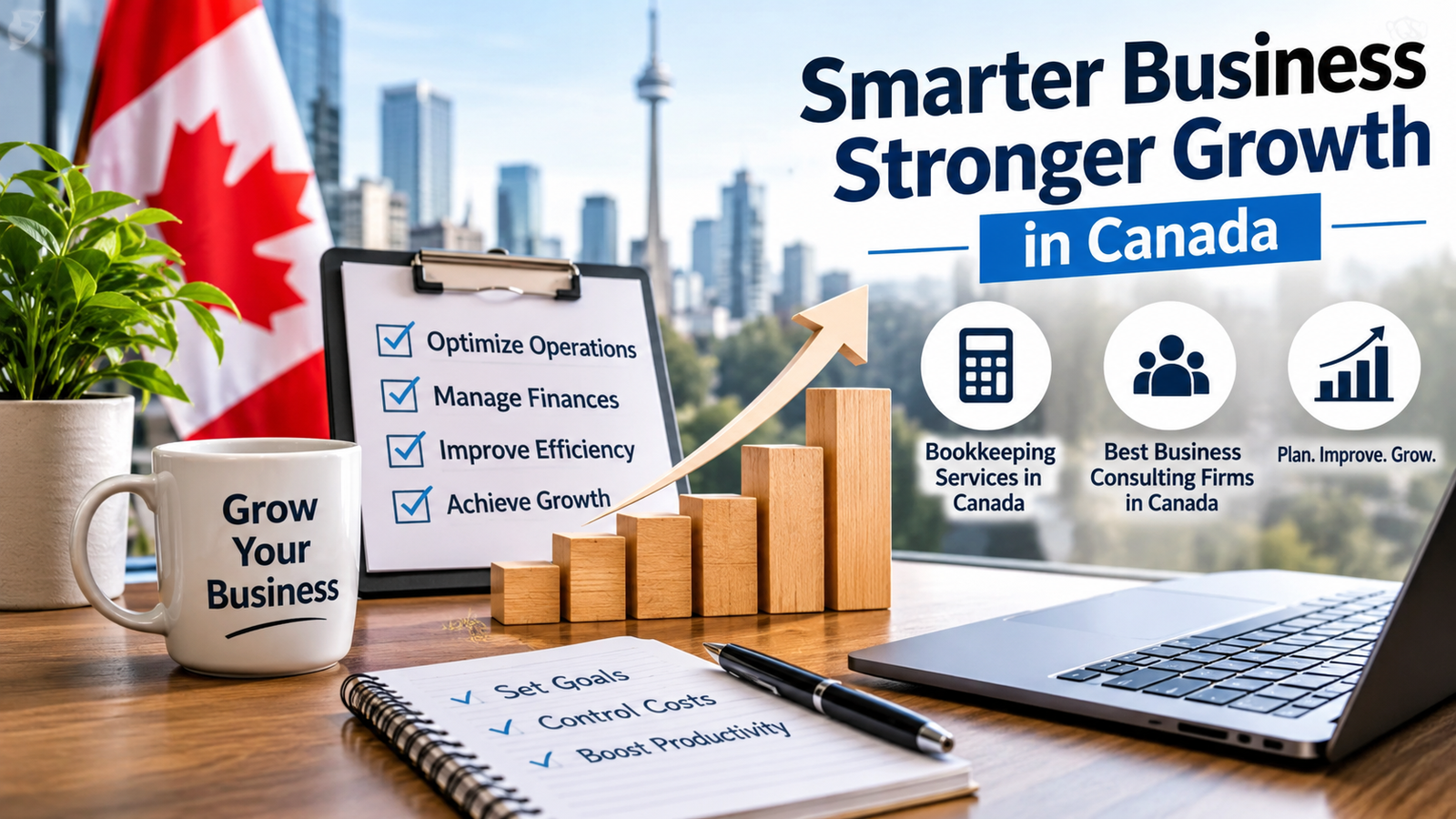


Running a small business requires more than offering quality products or services. Canadian business owners must also manage daily operations, control expenses, maintain accurate financial records, and adapt to changing market conditions. As businesses grow, these responsibilities can become increasingly complex.
Improving operational efficiency helps businesses use their resources effectively, reduce unnecessary costs, and create better systems for long-term success. With proper planning, organized processes, and professional guidance, small businesses can strengthen their operations and prepare for sustainable growth.
1. Understand Your Current Business Operations
Before making improvements, business owners should understand how their existing operations work. Reviewing daily activities, employee responsibilities, customer service processes, and financial performance can help identify areas that need attention.
Consider evaluating:
- Current business workflows and procedures.
- Employee productivity and responsibilities.
- Customer communication and service processes.
- Operating expenses and resource allocation.
- Existing technology and management systems.
A clear understanding of business operations makes it easier to identify inefficiencies and establish realistic improvement goals.
2. Develop Clear Business Goals and Priorities
Every business needs measurable goals to maintain direction and evaluate progress. Without clear priorities, companies may spend resources on activities that do not contribute to their long-term objectives.
Business owners should establish short-term and long-term goals related to revenue, customer retention, operational performance, employee development, and market expansion.
Reviewing these objectives regularly helps management understand whether current strategies are delivering the expected results. Goals should also be adjusted when market conditions or business requirements change.
3. Improve Financial Organization and Recordkeeping
Financial organization plays an important role in operational efficiency. Businesses need reliable financial information to monitor expenses, evaluate profitability, prepare budgets, and make informed decisions.
Maintaining accurate records of sales, supplier payments, payroll, and operating expenses helps business owners understand where their money is going.
Professional bookkeeping services in canada can support businesses with transaction recording, bank reconciliation, accounts payable and receivable, and financial record organization.
With properly maintained financial information, business owners can identify financial trends, monitor business performance, and plan future investments more effectively.
4. Use Technology to Simplify Business Processes
Technology can help small businesses reduce repetitive administrative work and improve communication across different departments.
Depending on their requirements, businesses may benefit from:
- Accounting and bookkeeping software.
- Customer relationship management systems.
- Project management platforms.
- Employee scheduling tools.
- Automated invoicing and payment systems.
- Secure document management solutions.
However, adopting new technology should begin with identifying specific business problems. Selecting suitable tools and providing employees with proper training can help businesses improve efficiency without creating unnecessary complexity.
5. Strengthen Employee Productivity and Communication
Employees contribute directly to the overall performance of a business. Clear responsibilities, effective communication, and appropriate training help teams complete their work more efficiently.
Business owners should establish clear expectations for each role and encourage regular communication between departments.
Providing opportunities for professional development can also help employees improve their skills and adapt to changing business requirements.
Regular performance reviews allow management to recognize achievements, identify challenges, and determine where additional support may be necessary.
6. Improve Customer Experience and Service Quality
Customer experience is an important factor in business growth. Companies that understand customer expectations can improve service quality, strengthen relationships, and encourage repeat business.
Businesses should regularly review customer feedback, response times, service processes, and communication channels.
Some practical improvements include:
- Responding to customer inquiries promptly.
- Maintaining consistent service standards.
- Making purchasing processes easier.
- Addressing customer complaints professionally.
- Reviewing feedback to identify service improvements.
A customer-focused approach can help businesses build trust and maintain stronger relationships with their target audiences.
7. Review Expenses and Allocate Resources Effectively
Unnecessary expenses can reduce profitability and limit a company’s ability to invest in growth opportunities.
Business owners should regularly review supplier agreements, software subscriptions, office expenses, marketing budgets, and other recurring costs.
Instead of reducing every expense, management should evaluate whether each investment provides meaningful operational value.
Allocating resources to reliable technology, employee development, and essential professional services can improve productivity and support long-term business performance.
8. Develop a Strong Business Strategy
A clear business strategy helps organizations understand their market position, identify opportunities, and establish a direction for future development.
When evaluating the best business consulting firms in Canada, business owners should consider industry experience, professional expertise, service offerings, communication, and the practical value of recommendations.
A suitable consulting partner should understand the organization’s challenges and provide realistic guidance aligned with its business objectives.
DANZ Management Consulting Inc. supports small and mid-sized businesses through services covering accounting and finance, HR, corporate services, marketing and branding, customer experience, technology, and business strategy.
Professional guidance can help businesses evaluate existing processes, identify operational gaps, and develop strategies for improving overall performance.
9. Monitor Business Performance Regularly
Operational improvements should be measured to determine whether they are producing meaningful results.
Business owners can monitor important performance indicators such as:
- Monthly revenue and operating expenses.
- Customer satisfaction and retention.
- Employee productivity.
- Project completion times.
- Cash flow and outstanding payments.
- Sales performance and business profitability.
Reviewing these indicators regularly helps management recognize positive changes and identify areas that require further improvement.
10. Create a Consistent Business Improvement Routine
Improving business operations is an ongoing process rather than a one-time activity. Companies should establish a regular review routine to evaluate their performance and address emerging challenges.
A monthly business review may include:
- Evaluate progress toward business goals.
- Review revenue, expenses, and financial reports.
- Identify operational delays or inefficiencies.
- Examine customer feedback and service quality.
- Review employee performance and training needs.
- Assess technology and business systems.
- Identify opportunities for process improvements.
- Establish priorities for the following month.
Following a consistent review process helps businesses maintain accountability and make informed adjustments as they grow.
Conclusion
Improving operational efficiency requires consistent planning, organized financial management, effective communication, and regular performance reviews. Canadian small businesses that invest in better processes and suitable technology can improve productivity while managing their resources more effectively.
By combining accurate bookkeeping, customer-focused practices, employee development, and professional business guidance, companies can establish stronger operational foundations and prepare for sustainable growth.
Frequently Asked Questions
1. Why is operational efficiency important for small businesses?
Operational efficiency helps businesses reduce unnecessary costs, improve productivity, manage resources effectively, and deliver consistent services.
2. How can small businesses improve their daily operations?
Businesses can improve daily operations by organizing workflows, defining employee responsibilities, using suitable technology, monitoring expenses, and reviewing performance regularly.
3. Why is accurate bookkeeping important for business growth?
Accurate bookkeeping provides reliable financial information, supports budgeting, helps monitor cash flow, and makes financial reporting easier.
4. When should a business consider professional bookkeeping support?
A business may benefit from professional bookkeeping support when financial transactions increase, records become difficult to manage, or financial reporting requires additional time and expertise.
5. How can technology improve business productivity?
Technology can simplify administrative tasks, improve communication, organize customer information, automate routine processes, and support better decision-making.
6. What should businesses consider when choosing a consulting firm?
Businesses should evaluate industry experience, professional expertise, service offerings, communication, transparency, and the ability to provide practical recommendations.
7. Can business consulting help small companies achieve sustainable growth?
Yes. Professional consulting can help businesses identify operational challenges, improve internal processes, strengthen business strategies, and establish realistic growth plans.