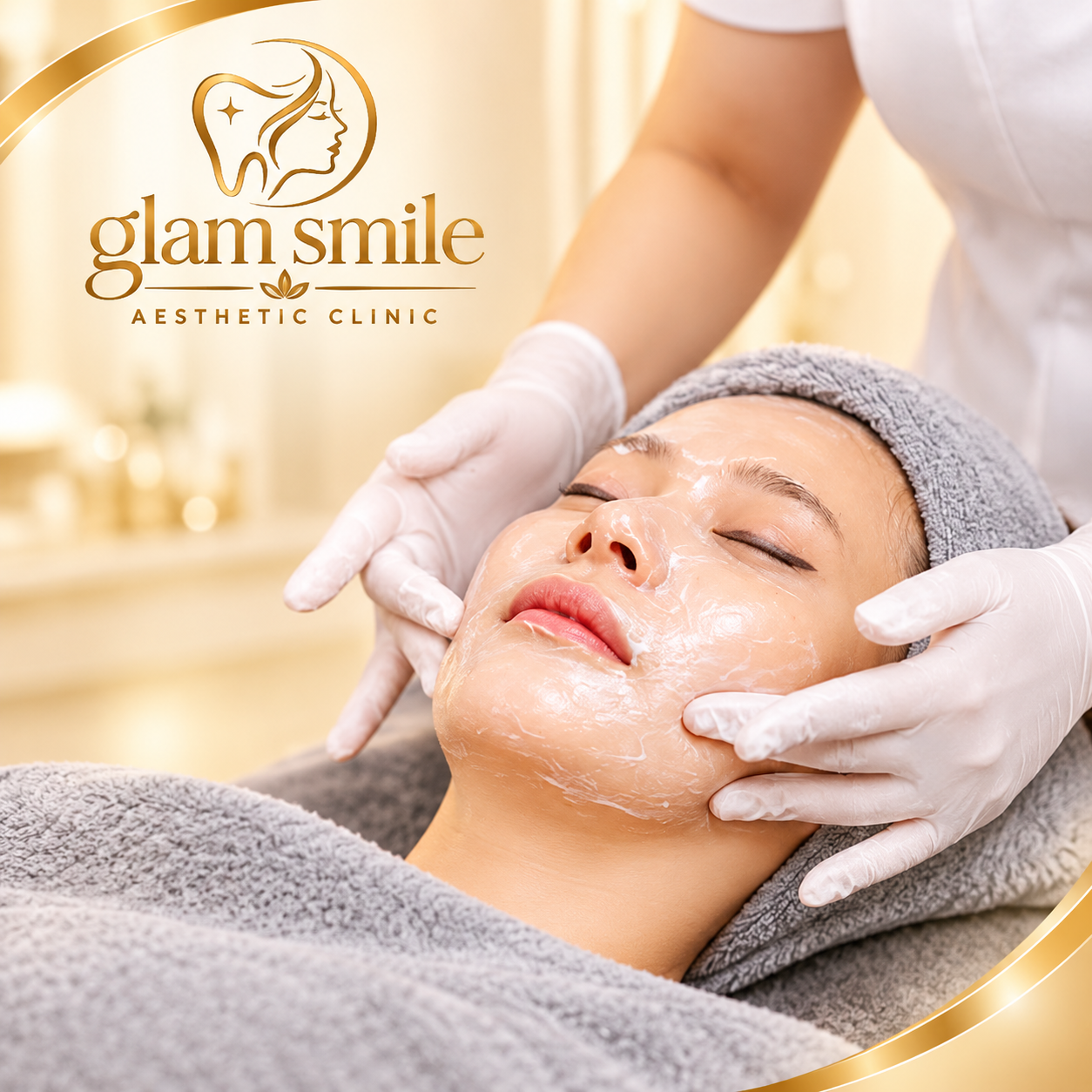


Healthy, radiant skin often depends on choosing skincare products with ingredients that address uneven skin tone, dark spots, and dullness. Skin brightening products are designed to improve the appearance of pigmentation and support a more balanced complexion.Understanding which ingredients work best can help you make informed skincare decisions. If you are considering Skin Whitening in Islamabad, knowing the active ingredients used in professional and at-home treatments can help you choose suitable options for your skin type and concerns.
Why Are Ingredients Important in Skin Brightening Products?
The ingredients in a skin brightening product determine how effectively it addresses concerns such as hyperpigmentation, sunspots, acne marks, and uneven skin tone. Some ingredients reduce excess melanin production, while others improve skin cell turnover or provide antioxidant protection.hoosing products with clinically studied ingredients is important for achieving gradual, healthy-looking results. It is also essential to consider your skin sensitivity, existing skin conditions, and the concentration of active ingredients.
Vitamin C for Brighter and Healthier-Looking Skin
Vitamin C is one of the most popular ingredients in skin brightening products. It is a powerful antioxidant that helps protect the skin against environmental damage caused by free radicals.
Benefits of Vitamin C
-
Helps reduce the appearance of dark spots and pigmentation.
-
Supports a more even skin tone.
-
Protects against oxidative stress caused by environmental factors.
-
Supports collagen production for healthier-looking skin.
-
Improves the appearance of dull skin.
Vitamin C serums are commonly used in morning skincare routines. Applying sunscreen afterward is important because sun exposure can worsen pigmentation and reduce the effectiveness of brightening routines.
Niacinamide for Uneven Skin Tone
Niacinamide, also known as vitamin B3, is a versatile skincare ingredient suitable for many skin types. It helps reduce the transfer of melanin to skin cells, making dark spots and uneven pigmentation less noticeable over timealso supports the skin barrier and helps maintain moisture.
Why Choose Niacinamide?
Niacinamide can be particularly helpful for individuals experiencing post-acne marks, redness, uneven skin tone, or excess oil production. It is generally well tolerated and can be combined with several other skincare ingredientsFor people with sensitive skin, starting with a lower concentration may help reduce the possibility of irritation.
Alpha Arbutin for Dark Spots and Pigmentation
Alpha arbutin is a popular ingredient used in products designed to improve hyperpigmentation. It works by inhibiting tyrosinase, an enzyme involved in melanin production.
This ingredient may help reduce the appearance of:
-
Sunspots.
-
Post-acne pigmentation.
-
Uneven skin tone.
-
Dark patches.
-
Mild hyperpigmentation.
Alpha arbutin is commonly available in serums and creams. Consistent application and daily sun protection are important for achieving visible improvements.
Kojic Acid for Skin Discoloration
Kojic acid is another ingredient commonly included in skin brightening formulations. It helps reduce melanin production by interfering with tyrosinase activity.It may be useful for people dealing with dark spots, sun damage, and certain forms of hyperpigmentation.However, kojic acid can cause irritation or sensitivity in some individuals, especially when used in high concentrations or combined with multiple exfoliating ingredients. Following product instructions and performing a patch test before regular use is recommended.
Glycolic Acid for Improved Skin Texture
Glycolic acid belongs to a group of exfoliating ingredients called alpha hydroxy acids (AHAs). It helps remove dead skin cells from the surface, allowing fresher-looking skin to appear.
How Does Glycolic Acid Help?
-
Improves the appearance of dull skin.
-
Helps smooth uneven skin texture.
-
Reduces the appearance of superficial pigmentation.
-
Supports skin cell renewal.
-
Helps improve the appearance of post-acne marks.
Glycolic acid should be introduced gradually, particularly for sensitive skin. Excessive exfoliation can damage the skin barrier and worsen irritation or pigmentation.
Azelaic Acid for Acne Marks and Dark Spots
Azelaic acid is a beneficial ingredient for individuals experiencing acne, redness, and uneven pigmentation. It helps reduce inflammation and can interfere with excess melanin production.Dermatologists may recommend azelaic acid for conditions such as post-inflammatory hyperpigmentation and melasma.Another advantage is that it can address acne-related concerns while improving the appearance of existing dark marks. However, the appropriate concentration depends on individual skin needs.
Retinol for Skin Renewal
Retinol is a vitamin A derivative widely used in skincare products to improve skin texture and support cell turnover.It may help reduce the appearance of fine lines, uneven pigmentation, and acne-related marks. With consistent use, retinol can contribute to smoother and healthier-looking skin.However, retinol may initially cause dryness, redness, or peeling. Beginners should start with a low concentration and use it gradually. It is generally recommended to avoid retinoids during pregnancy, and anyone who is pregnant or planning pregnancy should consult a healthcare professional.
Hyaluronic Acid for Skin Hydration
Although hyaluronic acid does not directly reduce melanin production, it plays an important role in maintaining skin hydration.Well-hydrated skin often appears smoother, plumper, and more refreshed. This ingredient attracts and retains water, helping reduce the appearance of dryness and improving overall skin comfort.It can be combined with many brightening ingredients, making it a useful addition to a balanced skincare routine.
Sunscreen: An Essential Part of Skin Brightening
No skin brightening routine is complete without sunscreen. Sun exposure can stimulate melanin production, worsen existing pigmentation, and contribute to the development of new dark spots.Choose a broad-spectrum sunscreen with SPF 30 or higher and apply it daily. Reapplication is important when spending extended periods outdoors.For individuals with melasma or persistent pigmentation, tinted sunscreens containing iron oxides may provide additional protection against visible light.
How to Choose the Right Skin Brightening Products
Not every ingredient is suitable for everyone. The right product depends on your skin type, pigmentation concerns, sensitivity, and skincare goals.
Consider the following recommendations:
-
For dark spots: Look for vitamin C, alpha arbutin, or kojic acid.
-
For acne marks: Consider niacinamide or azelaic acid.
-
For dull skin: Glycolic acid may help improve surface texture.
-
For signs of ageing: Retinol may support skin renewal.
-
For dry skin: Choose products containing hyaluronic acid and other moisturising ingredients.
-
For sensitive skin: Introduce active ingredients gradually and avoid combining too many exfoliants.
Always check product labels, avoid unregulated skin lightening creams, and seek professional advice before using strong formulations.
When Should You Consider Professional Skin Brightening Treatments?
Sometimes, topical skincare products may not provide sufficient improvement, particularly when pigmentation is deep, persistent, or associated with conditions such as melasma.A qualified skincare professional can assess your skin and recommend suitable options. Depending on the condition, treatments may include chemical peels, selected laser procedures, or medically supervised topical therapies.At Glam Smile Clinic, individuals can seek professional guidance about their skin concerns and explore treatment options based on their individual needs. A personalised assessment helps determine which approach may be appropriate while reducing the risk of unnecessary irritation or complications.
Conclusion
Choosing the right ingredients is an important step toward achieving a brighter, more even-looking complexion. Vitamin C, niacinamide, alpha arbutin, kojic acid, glycolic acid, and azelaic acid can help address different pigmentation concerns, while hyaluronic acid supports hydration. Sunscreen remains essential for protecting results and preventing further discoloration.The best skincare routine is one that matches your skin type and concerns rather than relying on harsh or excessive products. For persistent pigmentation or uneven skin tone, professional guidance from an experienced skincare provider, such as Glam Smile Clinic, can help you make informed treatment decisions and work toward healthier-looking skin.