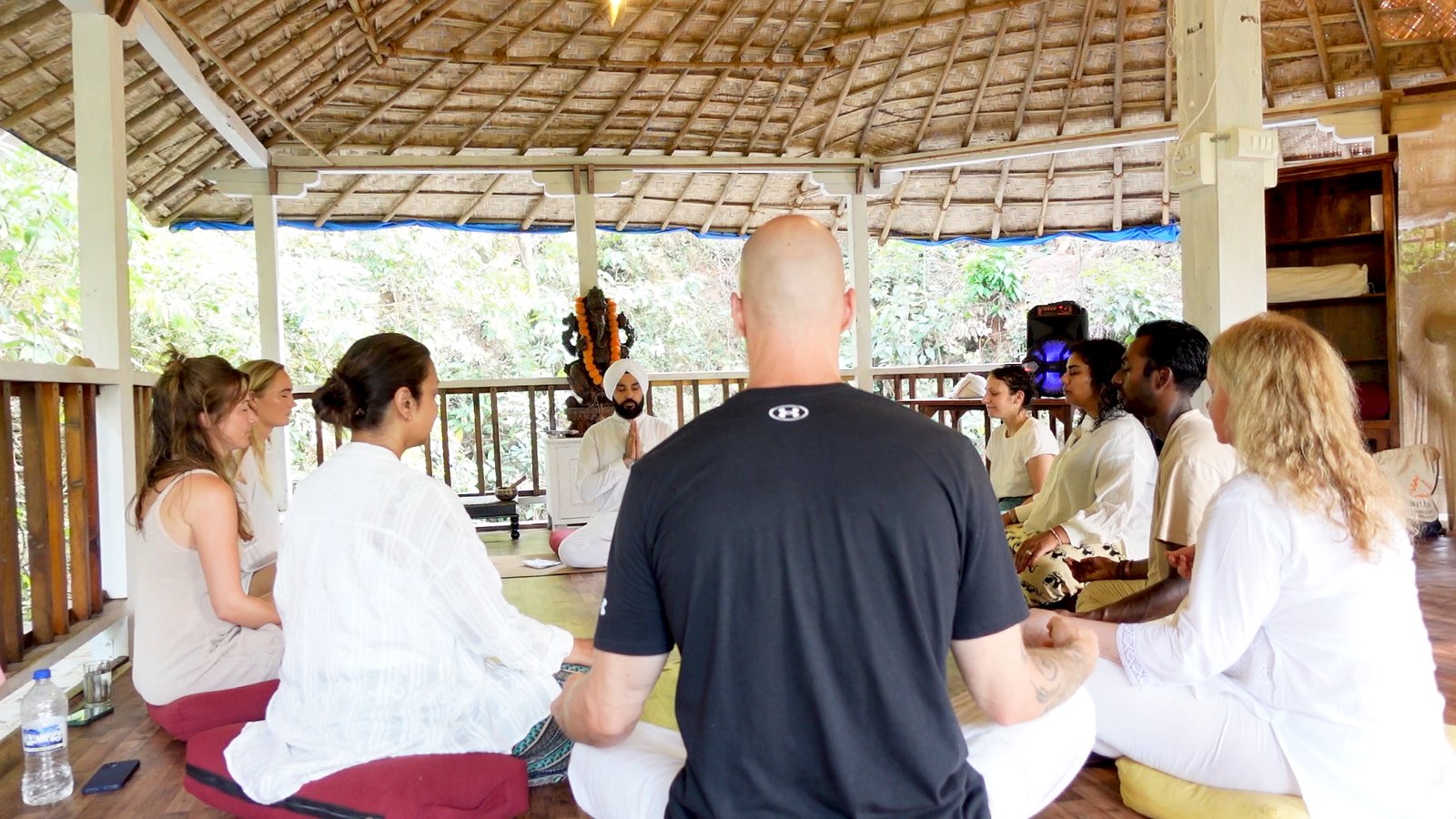


Yoga is more than a physical exercise. It is a traditional practice that helps people develop a healthy body, a peaceful mind, and a balanced lifestyle. Today, people from different parts of the world are exploring yoga to improve their physical fitness, reduce stress, and understand themselves better. For those who want to learn yoga deeply or become professional yoga instructors, India is one of the most meaningful destinations.
India is widely recognised as the birthplace of yoga. Its ancient traditions, spiritual teachings, and experienced yoga practitioners make it an ideal place to understand the real philosophy behind this practice. Whether you are a beginner or someone with previous yoga experience, learning yoga in India can be a valuable step towards personal growth.
Why Choose India to Learn Yoga?
India offers a unique learning environment where yoga is connected with its traditional roots. Unlike learning only through online videos or occasional classes, studying in India allows students to experience yoga as part of everyday life.
There are several reasons why international and Indian students choose India for yoga education:
1. Traditional Yoga Knowledge
Students get opportunities to understand the traditional philosophy of yoga, including its history, principles, and practical applications. This knowledge helps them develop a deeper understanding of yoga beyond physical postures.
2. Experienced Yoga Teachers
India has many experienced yoga instructors and training centres. Learning under qualified teachers allows students to improve their techniques, understand correct body alignment, and develop a safe teaching approach.
3. Peaceful Learning Environment
Many yoga schools are located in peaceful surroundings, including mountains, spiritual towns, and natural locations. Such environments can help students focus on their practice and maintain a disciplined routine.
4. Cultural Experience
Learning yoga in India also introduces students to Indian culture, traditional lifestyles, meditation practices, and spiritual perspectives.
What Is Included in a Yoga Teacher Training Course?
A professional yoga teacher training course generally combines theoretical knowledge with practical sessions. The objective is not just to teach students how to perform yoga postures but also to prepare them to guide others safely and confidently.
Common subjects include:
- Asana Practice: Learning different yoga postures, their benefits, and correct techniques.
- Pranayama: Understanding breathing exercises and their role in yoga practice.
- Meditation: Developing concentration, awareness, and mental relaxation.
- Yoga Philosophy: Studying the traditional principles and philosophy of yoga.
- Anatomy and Physiology: Understanding muscles, joints, movement, and the body’s response to yoga.
- Teaching Methodology: Learning how to plan classes, communicate instructions, and guide students.
- Alignment and Adjustments: Understanding how to practise and teach postures with proper body alignment.
These subjects help students build a strong foundation and develop the confidence needed to continue their yoga journey.
Understanding 200-Hour Yoga Teacher Training
A 200-hour yoga teacher training programme is a popular starting point for individuals who want to develop their yoga knowledge and explore teaching as a profession.
The programme generally covers yoga postures, breathing techniques, meditation, philosophy, anatomy, and teaching practice. It provides students with structured learning and practical experience.
Before enrolling, students should check the course curriculum, teacher qualifications, daily schedule, practical teaching opportunities, and certification details.
It is also important to understand that completing a training programme does not automatically guarantee professional recognition everywhere. Students should verify the school’s credentials and the requirements of the organisation or country where they intend to teach.
How to Select the Right Yoga School?
Choosing the right yoga school is an important decision. A good training programme should provide a supportive learning environment, qualified instructors, and a well-organised curriculum.
Consider the following factors before making your decision:
Check Teacher Experience: Research the qualifications and teaching experience of the instructors.
Review the Curriculum: Make sure the course covers both practical yoga training and theoretical subjects.
Understand Certification: Check whether the school provides recognised certification and what that certification actually represents.
Explore Student Reviews: Read genuine feedback from previous students to understand their learning experiences.
Compare Course Facilities: Look at accommodation, food, class facilities, and the overall learning environment if the programme includes residential training.
Ask About Practical Teaching: Teaching practice is important because it helps students develop confidence and communication skills.
Taking time to research these details can help you select a programme that matches your learning goals.
Who Can Join Yoga Teacher Training?
Yoga teacher training is suitable for people with different backgrounds and experience levels, depending on the course requirements.
It can be a good option for:
- Beginners interested in understanding yoga more deeply.
- Regular yoga practitioners who want to improve their knowledge.
- Fitness professionals interested in adding yoga to their skills.
- Individuals looking for personal development and a healthier lifestyle.
- People interested in becoming yoga instructors.
- International students who want to experience traditional yoga education in India.
You do not necessarily need to be an advanced yoga practitioner to begin learning. However, maintaining a regular practice and having an open mindset can make the learning experience more rewarding.
Career Opportunities After Yoga Training
Completing a suitable yoga teacher training programme can open different opportunities in the wellness and fitness industry.
Depending on your qualifications, experience, and local requirements, you may explore opportunities such as:
- Working as a yoga instructor at fitness centres.
- Conducting private yoga sessions.
- Teaching group yoga classes.
- Offering online yoga sessions.
- Working with wellness retreats.
- Developing yoga-related educational content.
- Starting an independent yoga teaching practice.
Professional success depends on practical experience, teaching ability, continued education, and building trust with students.
How to Prepare for Your Yoga Journey
Before joining a training programme, start building a simple daily routine. Practise basic yoga postures, focus on breathing, and spend a few minutes meditating.
Read about yoga philosophy and understand the basic principles of a balanced lifestyle. Prepare questions about the course, accommodation, schedule, and certification before contacting a training school.
Most importantly, approach yoga with patience. It is a continuous learning process, and every student develops at a different pace.
Final Thoughts
Choosing Yoga teacher training in India can be an important step for anyone interested in traditional yoga education, personal development, and a possible career in wellness. With the right school, experienced teachers, and consistent practice, students can build a strong foundation in yoga and gain valuable knowledge for their future.
Take time to explore different training programmes, compare their teaching methods, and select an option that supports your personal and professional goals.
Start Your Yoga Learning Journey
If you are interested in exploring yoga teacher training opportunities, course details, and learning programmes, visit Yoga Chaitanya to learn more.
Website: https://yogachaitanya.com/yoga-teacher-training-india/
Explore Yoga Chaitanya on Pinterest: https://www.pinterest.ca/yoga_chaitanya/