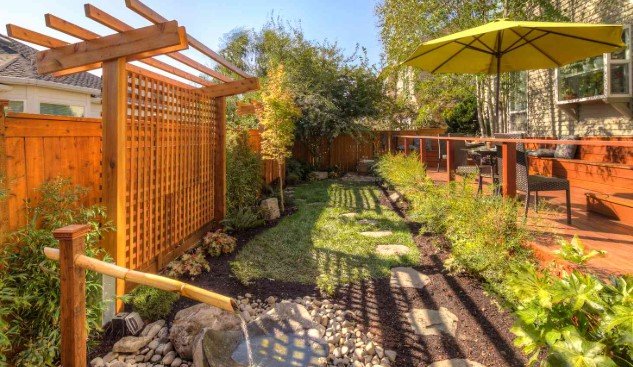


A beautiful outdoor environment is created through careful planning, suitable materials, and professional installation. An empty backyard, outdated garden, or poorly arranged front yard may have plenty of potential, but transforming it requires a clear understanding of the property’s layout and the homeowner’s expectations. Every feature, from garden beds and walkways to patios and retaining walls, should contribute to the overall appearance and functionality of the space. A properly installed landscape can make a property more welcoming while creating outdoor areas that are comfortable and practical for everyday use.
Transformed Landscaping Co. helps homeowners bring their outdoor improvement ideas to life through customized landscaping solutions. Choosing professional Landscape Installation in Austin allows property owners to develop outdoor spaces that reflect their preferences while considering the area’s climate and environmental conditions. Whether the project involves building a completely new landscape or replacing outdated features, the installation process should begin with a design that connects different elements into one coordinated environment. This approach helps ensure that the finished property looks organized and serves its intended purpose.
Preparing the Property Before Installation Begins
Successful landscaping installation starts with evaluating the existing property. Before adding new plants, structures, or decorative materials, it is important to understand the condition of the soil, ground elevation, sunlight exposure, and drainage patterns. Existing trees, underground utilities, and access points should also be considered during the planning stage. Preparing the site properly helps reduce installation complications and creates a suitable foundation for the different landscape features.
A detailed preparation process may include clearing unwanted vegetation, removing old materials, leveling selected areas, and improving soil conditions. Some properties may require grading or drainage adjustments before new landscaping elements can be installed. Professional Landscape Installation in Austin takes these factors into account to help create a stable and functional outdoor environment. Addressing site conditions early can prevent problems that might otherwise affect the appearance or performance of the finished landscape.
Installing Garden Beds and Creating Natural Visual Interest
Garden beds are among the most effective ways to introduce color, texture, and structure into a residential landscape. Their placement can help define property boundaries, highlight architectural features, and create a natural transition between lawns and hardscape surfaces. Different plant varieties can be arranged according to their height, growth patterns, and seasonal characteristics. Combining trees, shrubs, ornamental grasses, and flowering plants creates a layered appearance that makes outdoor areas more visually interesting.
Austin homeowners should consider local growing conditions when selecting plants for new garden installations. Native Texas vegetation and drought-tolerant varieties can be suitable choices because they are adapted to regional environmental conditions. Proper spacing, soil preparation, and irrigation planning also contribute to healthier plant development. With carefully planned Landscape Installation in Austin, homeowners can establish garden areas that complement their properties while supporting manageable long-term maintenance. Mulch and decorative stone can further improve the appearance of planting beds and help protect the soil.
Building Attractive Patios, Walkways, and Hardscape Features
Hardscaping gives a landscape its physical structure and makes outdoor areas easier to use. Patios provide dedicated spaces for dining and relaxation, while walkways connect different sections of the property. Retaining walls can help manage changes in elevation and create more defined planting areas. These features are particularly useful when homeowners want to transform an ordinary backyard into an organized outdoor living environment. Their placement should support natural movement around the property without making the layout feel crowded.
Choosing appropriate materials is an important part of hardscape installation. Natural stone, concrete pavers, and other outdoor surfaces offer different textures and design possibilities. The material should match the property’s appearance while providing the durability needed for regular outdoor use. Proper base preparation and installation techniques are equally important because uneven surfaces can create maintenance and accessibility concerns. A carefully executed Landscape Installation in Austin project can combine hardscaping with greenery to produce an attractive balance between natural and constructed elements.
Incorporating Outdoor Structures for Everyday Comfort
Outdoor structures can make residential landscapes more functional by providing dedicated areas for different activities. Pergolas, decks, seating areas, and other custom features can create comfortable spaces for relaxing or entertaining. Their placement should consider the direction of sunlight, available space, privacy, and the relationship between the house and backyard. For example, a pergola positioned near a patio can provide partial shade while creating a defined outdoor gathering area.
Homeowners should also think about how outdoor structures will connect with existing landscape features. A deck can transition into a garden through a walkway, while surrounding plants can soften the appearance of larger structures. Fencing may improve privacy, and outdoor lighting can make pathways and seating areas more useful after sunset. Professional Landscape Installation in Austin brings these features together through coordinated planning, helping homeowners create outdoor environments that feel comfortable rather than simply decorated.
Managing Irrigation and Drainage During Installation
Water management should be included in landscaping plans from the beginning. Newly installed plants need appropriate watering to establish healthy root systems, while existing lawn and garden areas may have different irrigation requirements. A well-planned irrigation system helps distribute water according to the needs of individual landscape sections. Drip irrigation can support planting beds, while properly positioned sprinkler systems may be suitable for lawn areas. Efficient water delivery can also help prevent unnecessary consumption.
Drainage is equally important because excess water can damage plants, create muddy areas, and affect outdoor structures. Ground grading, suitable drainage solutions, and correct placement of garden beds can help direct water away from areas where it may cause problems. Austin properties may experience changing rainfall conditions, making it important to consider how water moves across the landscape. Including irrigation and drainage in Landscape Installation in Austin helps create outdoor spaces that are better prepared for regular use and changing weather.
Maintaining the Landscape After Installation
Once a landscaping project is complete, ongoing care helps protect the quality of the installation. Newly planted trees and shrubs require attention as their roots become established. Lawns may need regular mowing, while garden beds benefit from pruning, weeding, and seasonal adjustments. Hardscape surfaces should also be inspected occasionally to identify loose materials, shifting pavers, or areas that need cleaning. A consistent maintenance routine helps preserve the original design and keeps different landscape features working properly.
The maintenance requirements of a property depend on its plant selection, outdoor structures, and overall layout. Homeowners who prefer lower-maintenance surroundings can choose suitable native plants, durable materials, and efficient irrigation systems during the initial planning stage. Regular attention to these features can reduce future maintenance difficulties. A properly completed Landscape Installation in Austin project should consider not only how the property looks on installation day but also how its different elements will develop over time.
Professional Landscaping Solutions for Residential Properties
A complete landscaping project involves several stages that need to work together, including property preparation, design development, material selection, installation, and finishing details. Managing these activities without a coordinated plan can result in mismatched features or unnecessary changes. Professional landscaping services help property owners understand the available options and organize improvements according to their property’s needs. Careful planning also makes it easier to maintain consistency between planting areas, hardscaping, outdoor structures, and other installations.
Transformed Landscaping Co. offers services that help homeowners improve their outdoor environments through landscape design, hardscaping, patios, retaining walls, outdoor carpentry, fencing, irrigation, xeriscaping, and garden maintenance. The company also provides landscaping solutions for commercial properties. Its residential-focused services can support projects ranging from smaller yard improvements to more comprehensive outdoor transformations. Homeowners considering Landscape Installation in Austin can benefit from a customized approach that considers property conditions, personal preferences, and the practical requirements of outdoor living.
Conclusion
A successful landscaping project requires more than selecting attractive plants and decorative materials. Proper site preparation, thoughtful garden arrangements, durable hardscaping, functional outdoor structures, and effective water management all contribute to the final result. When these features are planned together, homeowners can create outdoor environments that are visually balanced and suitable for everyday activities. Considering long-term maintenance during the installation process also helps protect the quality and usability of the finished landscape.
Investing in professional Landscape Installation in Austin gives homeowners an opportunity to transform unused or outdated outdoor areas into attractive and functional spaces. With careful planning and suitable installation methods, a landscape can complement the property’s architecture while supporting comfort and long-term usability. Transformed Landscaping Co. provides customized landscaping solutions to help property owners turn their ideas into well-organized outdoor environments. A thoughtfully installed landscape can make the home more inviting and create an outdoor setting that remains enjoyable for years to come.