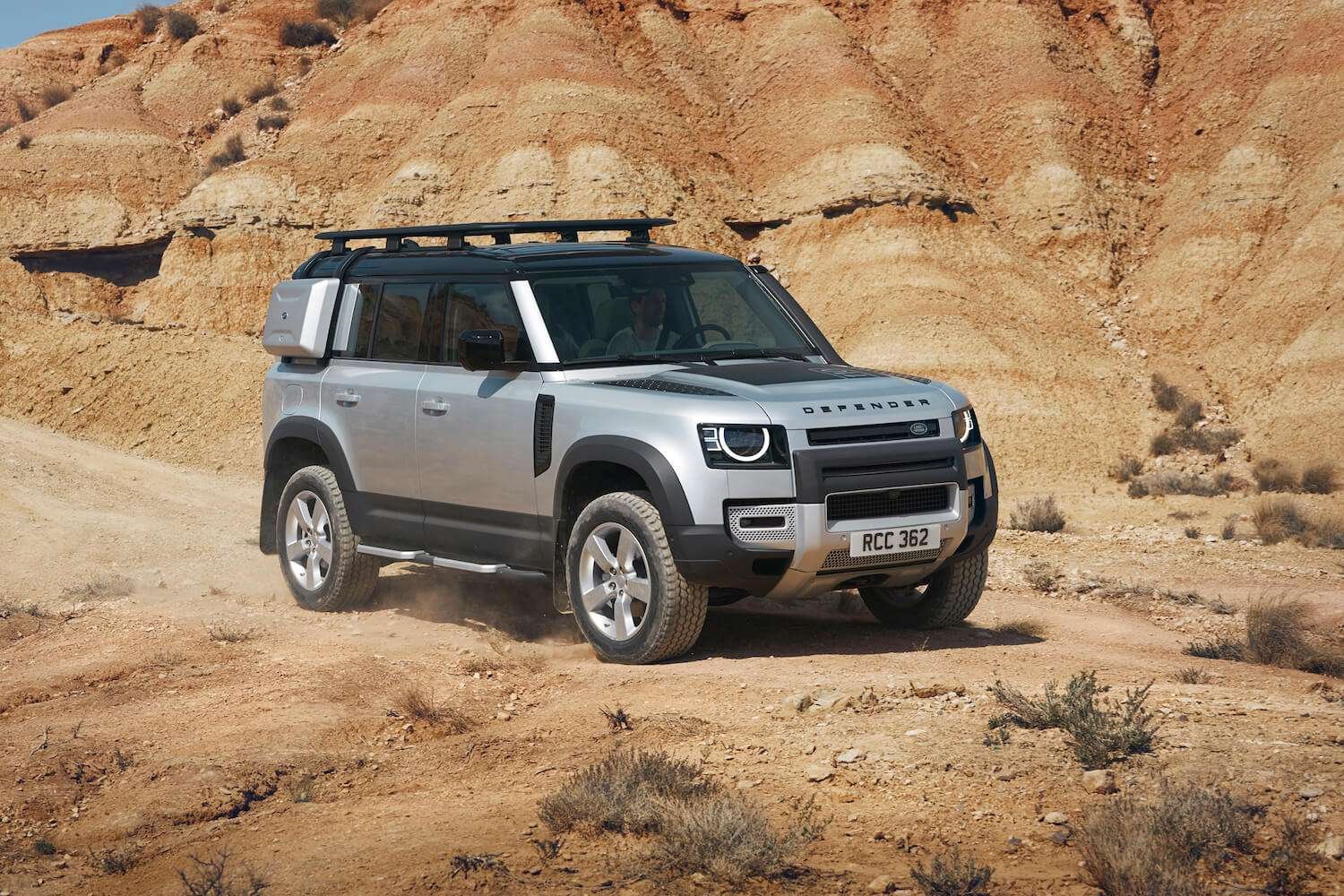


Range Rover Sport: A Complete Guide for UK Drivers
The Range Rover Sport is a premium SUV that blends luxury, strong performance, and everyday practicality. It suits UK drivers who want a comfortable family car, a capable towing vehicle, and a smart choice for long motorway journeys. This guide explains the main models, engines, costs, reliability points, and buying tips in simple language.
A good Range Rover Sport should feel smooth on town roads, stable on the motorway, and confident in wet weather. Before buying, check the service history, inspect the tyres and brakes, and compare insurance, fuel, and road tax costs. This guide helps you choose the right version and avoid expensive surprises.
Where Does This Luxury SUV Fit?
This model offers a sportier take on a large luxury SUV. Its appeal lies in a high driving position, a smart cabin and a wide choice of strong engines. It can serve as a family car, a long-distance cruiser or a capable tow car. However, its size and upkeep need thought before you commit.
The three generations are quite different beneath the bodywork. The first arrived in 2005, the second in 2013, and the third in 2022. The newer cars brought major changes to weight, comfort, cabin design and engines. A registration year alone may not tell you which version you are viewing.
What Do Used Examples Cost?
These are broad buying guides, not formal valuations. They reflect published UK used-car guidance updated in August 2026, plus selected advertised examples. Prices vary with mileage, engine, trim, condition and past care. They do not describe Trade LMS stock.
| Registration year / era | Indicative asking-price guide | What to keep in mind |
| 2008, first generation | Selected adverts around £3,000–£6,000 | Cheap entry price, but age and repair needs matter greatly |
| 2016, second generation | From roughly £15,000 for average-mileage examples | Compare records and condition before trim or looks |
| 2018, refreshed second generation | From roughly £20,000 | Confirm it has the refreshed cabin |
| 2019–2020, second generation | From roughly £23,000 | Engine choice creates large price differences |
| 2021–2022, late second generation | From roughly £26,000 | Check generation carefully on 2022 cars |
| 2023, third generation | Selected adverts around £65,000–£68,000 | These examples had different engines, trims and mileages |
The oldest prices above come from individual listings. The middle rows use published starting-price guidance, not market averages. The 2023 figures also reflect specific advertised cars. Always compare like-for-like examples before judging value.
Which Generation Should You Choose?
Each generation offers a different balance of price and features. The oldest cars can cost little to buy. The latest models bring newer cabins and longer-range plug-in options. Between them, the second generation offers a broad used choice. None should be bought on age or appearance alone.
The tables below highlight selected engines and key updates. Fuel figures are official results, not everyday promises. Older NEDC and newer WLTP tests are different. Do not compare their figures as equal measures.
First Generation: L320, 2005–2013
| Generation / era | Year / model variant | Engine options | Combined fuel economy, UK mpg | Key features and design updates |
| Original model | 2005–2009 | Selected 2.7-litre V6 and 3.6-litre V8 diesels; 4.4-litre and supercharged 4.2-litre petrol V8s | Check the exact engine and year; this heavy generation has high fuel demands | Five seats, height-adjustable air suspension and selectable off-road settings |
| Main refresh | 2009–2013 | 3.0-litre V6 diesel and supercharged 5.0-litre V8 petrol among the choices | Exact figures vary by engine, gearbox and year | Revised lights, bumpers and cabin, plus updated engines |
The first generation has the oldest design here. Its purchase price can look tempting, but that is only part of the cost. Give priority to upkeep, suspension condition and evidence of past repairs. Do not assume all refreshed cars share the same gearbox.
Second Generation: L494, 2013–2022
| Generation / era | Year / model variant | Engine options | Combined fuel economy, UK mpg | Key features and design updates |
| New body and cabin | 2013–2017 | V6 and V8 diesel; supercharged V6 and V8 petrol, depending on year | Selected 3.0 diesel: about 40.4 mpg under older NEDC testing | Lighter aluminium body and optional two extra rear seats |
| Refreshed range | 2018–2022 | Selected 2.0 petrol and diesel; V6/V8 engines; later six-cylinder mild hybrids | Later SDV6: about 32 mpg; 2.0 petrol: 26.1 mpg, WLTP | Revised styling and twin-screen centre console |
| Plug-in hybrid | P400e, later generation years | 2.0-litre petrol engine with an electric motor | Charging habits strongly affect actual petrol use | Plug-in charging and electric driving |
| Performance flagship | SVR | Supercharged 5.0-litre V8 petrol | About 18.9 mpg in later WLTP figures | More power, louder exhaust and sportier styling |
The second generation brought a major change in comfort and road manners. The refreshed cabin also looks much newer than the early layout. However, equipment varies, and extra seats are not fitted to every car. Check the actual specification, not just the trim badge.
Third Generation: L461, 2022–Present
| Generation / era | Year / model variant | Engine options | Combined fuel economy, UK mpg | Key features and design updates |
| Current diesel range | Selected D250, D300 and D350 versions | 3.0-litre six-cylinder mild-hybrid diesel | About 36.1–39.8 mpg across selected 2026 specifications, WLTP | New platform, curved touchscreen and five-seat layout |
| Early plug-in range | P440e and P510e | 3.0-litre petrol-electric plug-in hybrid | Check the specific model year and test figure | Much larger battery than the earlier P400e |
| Later plug-in range | P460e and P550e | 3.0-litre petrol-electric plug-in hybrid | Selected 2026 weighted figures: 324.7–403.5 mpg | Official electric range of 72–73 miles, depending on version |
| V8 petrol range | P530; later P540 | 4.4-litre twin-turbo V8 | Selected P540: 23.6–24.7 mpg, WLTP | Strong performance; specifications vary by year |
The plug-in figures include charged-battery driving. They are not petrol-only averages or a promise of daily results. The 2026 specification gives expected real-world electric ranges of up to 56–57 miles for the later plug-in models. Weather, speed, load and battery condition can change that.
How Does It Perform, Ride and Feel Inside?
A six-cylinder diesel can suit regular long trips. Its strong low-speed pull helps when carrying passengers or towing. Petrol models offer smooth performance but demand a larger fuel budget. A plug-in hybrid makes most sense when you can charge often and use its electric range.
The second and third generations blend a quiet cabin with strong road manners. Yet the exact car matters more than the badge. Wheel size, seats and suspension settings can change how it feels. Test the version you plan to buy on roads you know.
Choosing an Engine
For long motorway use, consider the diesel range first. The second-generation SDV6 offers useful pull, while later D300 and D350 models provide newer six-cylinder options. Check maintenance needs and past care before choosing. A newer engine badge does not replace sound records.
For shorter daily trips, compare petrol and plug-in choices. The earlier P400e differs greatly from the newer six-cylinder plug-ins. A mild hybrid is different again: it assists the engine, rather than offering the same electric driving role. Do not confuse P400 with P400e.
Comfort and Cabin Checks
Smaller wheels can help the ride on rough streets. In second-generation reviews, the standard 20-inch wheels offer a notably comfortable setup. Larger wheels may suit your taste, but compare tyre prices and ride quality first. Take passengers on the test drive if possible.
Inside, check which dashboard layout the car has. Early second-generation cars use a single screen with physical controls. Refreshed versions gained two central screens, while the third generation moved to a large curved display. Try the controls yourself rather than judging the cabin from photos.
Space, Parking and Towing
Selected second-generation cars have two small extra seats. They work best for children or occasional use. The third generation returned to five seats only. If seven seats are essential, confirm them before arranging a viewing.
The current standard body is about 4.95 metres long. It measures 2.21 metres wide with its mirrors out. Its published boot space is 647 litres using solid-block measurement. Selected current diesels can tow up to 3,500kg, while the listed plug-in hybrids are rated at 3,000kg; always check the exact vehicle and trailer limits.
What Are the Ownership Costs and Buying Risks?
Condition should lead your buying decision. A clean cabin and large wheels cannot prove good upkeep. Look for dated invoices, the correct service schedule and clear evidence of repairs. Keep part of your budget aside rather than spending everything on the purchase.
Reliability evidence is mixed across years and versions. Reports include suspension, screen and electrical faults, alongside better recent survey results for second-generation cars. That does not make every example dependable. A full inspection is more useful than a broad claim about the whole range.
Budget Beyond Fuel
Insurance, tyres, brakes and servicing can all be costly. Get an insurance quote for the exact registration before paying a deposit. Price replacement tyres in its fitted size. Check what servicing is due next, not just what was done last.
Tax depends on the first registration date and vehicle details. A used purchase price below £40,000 does not itself remove an applicable expensive-car supplement. Plug-in hybrids should not be assumed tax-free. Check the exact car’s current bill before buying.
Essential Viewing Checks
Use this checklist during a viewing and test drive:
- Match service invoices to the mileage and vehicle.
- Ask for a cold start before the engine warms.
- Check warning lights clear after startup.
- Try the suspension height settings where fitted.
- Listen for knocks and unusual engine sounds.
- Check gearbox shifts at low and higher speeds.
- Inspect tyres, wheels, brakes and body panels.
- Test screens, cameras, seats, locks and tailgate.
- Check for leaks and signs of water entry.
- Inspect the underside for impact damage.
- Confirm any recall work has been completed.
- On a plug-in, test charging and inspect cables.
Ask for an independent inspection if you lack confidence. A smooth short drive cannot rule out hidden faults. Any warning, uneven running or poor gear change needs an explanation. Do not accept “they all do that” without evidence.
Conclusion: Is It the Right Used Buy?
Do you want a luxury SUV without costly surprises? Start with your daily needs, then work backwards. Decide how many seats you need and where you park. Think about charging access, towing and annual mileage. Those answers should guide the engine and generation you shortlist.
The Range Rover Sport can offer comfort, space and strong performance. Its appeal is clear, but so are its upkeep demands. Buy the best-documented example your budget can support. Choose a sound car before a higher trim. Walk away if the records or inspection leave doubts.
FAQs
1. Which generation offers the best used value?
There is no single winner for every buyer. The second generation offers a broad choice of engines and prices. Compare condition and records before age or trim.
2. Are all versions seven-seaters?
No, seat numbers vary across the generations. Selected second-generation versions have two small extra seats. The third generation has five seats only.
3. Is a diesel the best choice?
A diesel can suit regular long-distance driving. It offers strong pull and generally better fuel use than the V8 petrols. Your journey pattern and the car’s condition still matter.
4. Is the plug-in hybrid worth considering?
Yes, if you can charge it often. The newer plug-ins offer much more electric range than the earlier version. Compare charging access and daily distance before buying.
5. Does a mild hybrid need plugging in?
No, a mild hybrid does not need external charging. Its electrical system assists the combustion engine. It does not offer the same role as a plug-in hybrid.
6. Can it tow a large caravan?
Many versions have a high towing limit. Selected current diesels allow up to 3,500kg, while listed plug-ins allow 3,000kg. Check the exact vehicle, trailer and loaded weights first.
7. Are larger wheels better?
Larger wheels can give a look you prefer. However, smaller wheels can provide a softer ride. Compare comfort and tyre prices before choosing.
8. What faults should buyers check?
Pay close attention to suspension, electrics and engine behaviour. Test the screens, seats, tailgate and gearbox as well. Use the records and an inspection to investigate concerns.
9. Why do boot figures sometimes differ?
Published figures can use different measuring methods. The current model lists 647 litres dry and 835 litres wet behind the rear seats. Compare figures measured in the same way.
10. Should I buy the cheapest example?
A low price should prompt checks, not a quick decision. Missing records or overdue work can change the real cost. Buy on condition, history and an informed inspection.
Find Your Next Used Car with Trade LMS
Ready to find a car that fits your life? Put Trade LMS on your shortlist as you explore your next used purchase. Ask about available vehicles, the exact specification and the records supplied with each car. Check mileage, past work and any warranty terms before deciding. Arrange a viewing and test drive where available. Take time to compare comfort, space and ownership costs. A clear buying process starts with good questions, so contact Trade LMS to discuss what you need from your next car.