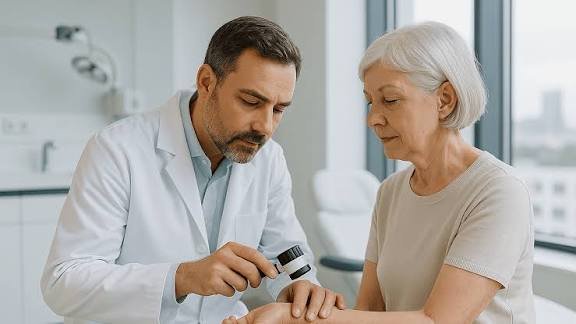


Bullous pemphigoid is a rare autoimmune skin condition that causes persistent itching, inflammation, and fluid-filled blisters. It develops when the immune system mistakenly attacks proteins that help attach the outer layer of skin to the underlying tissue. A Bullous Pemphigoid Antibody test helps identify specific antibodies associated with this condition and provides important information that healthcare professionals use when investigating suspected cases. Understanding these antibodies, why testing is recommended, and what the results indicate can help patients make informed decisions about diagnosis, treatment, and long-term skin health.
Understanding Bullous Pemphigoid and Its Effect on Skin Health
Bullous pemphigoid is an autoimmune blistering disorder that primarily affects older adults, although it can occasionally develop in younger individuals. Unlike ordinary skin blisters caused by friction, burns, or infections, these blisters develop because the immune system mistakenly recognizes certain structures within the skin as harmful.
The immune system normally produces antibodies to protect the body against viruses, bacteria, and other foreign substances. In autoimmune conditions, however, this protective system becomes misdirected and attacks healthy tissues.
In bullous pemphigoid, antibodies commonly target proteins known as BP180 and BP230. These proteins are important components of hemidesmosomes, structures that help connect the epidermis (outer skin layer) to the dermis (deeper skin layer). When these proteins are targeted, the connection between the skin layers becomes weakened, allowing fluid to collect and form blisters.
Common Symptoms of Bullous Pemphigoid
Symptoms may develop gradually and vary from person to person. Some individuals experience itching for weeks before visible blisters appear, while others develop noticeable skin changes more quickly.
Common symptoms include:
- Intense itching:Persistent itching may occur before or alongside blister formation.
- Large, fluid-filled blisters:Firm blisters can develop on the abdomen, arms, legs, and other areas.
- Redness and inflammation:Affected skin may appear irritated, swollen, or discolored.
- Rashes and raised patches:Some people initially experience itchy patches resembling eczema or hives.
- Skin discomfort:Blisters may cause tenderness, soreness, or irritation.
- Healing changes:Ruptured blisters may leave temporary discoloration or crusting.
Although bullous pemphigoid usually affects the skin, some patients experience involvement of mucous membranes, including the mouth. Eye or genital involvement is less common and requires appropriate medical assessment.
Why Accurate Diagnosis Matters
Several skin conditions can cause itching, redness, and blistering. These include pemphigus vulgaris, dermatitis herpetiformis, certain medication reactions, and other autoimmune blistering disorders.
Because their symptoms can overlap, appearance alone is not always sufficient to establish a diagnosis. Healthcare professionals may recommend a combination of clinical examination, skin biopsy, direct immunofluorescence, and blood antibody testing.
An accurate diagnosis is essential because different blistering disorders may require different treatment approaches. Early identification can also help reduce complications associated with widespread blistering, skin damage, and secondary infections.
What Is a Bullous Pemphigoid Antibody Test?
A Bullous Pemphigoid Antibody test is a laboratory investigation that looks for antibodies associated with the autoimmune response responsible for bullous pemphigoid. These antibodies are usually detected in a blood sample, although other laboratory investigations may be needed to confirm the diagnosis.
The test commonly focuses on antibodies directed against BP180 and BP230 proteins. These proteins are found in the basement membrane zone, where the epidermis connects to the dermis.
When the immune system produces antibodies against these structures, the normal attachment between skin layers can become disrupted. This contributes to the development of inflammation and blister formation.
Blood testing can help healthcare professionals determine whether the patient’s symptoms are associated with an autoimmune blistering condition. However, a positive result does not automatically confirm bullous pemphigoid, and a negative result does not always exclude it.
The findings must be interpreted alongside the patient’s symptoms, medical history, physical examination, and other diagnostic investigations.
Understanding BP180 and BP230 Antibodies
BP180 and BP230 are two important proteins associated with bullous pemphigoid. Although they are located within the same general skin attachment structure, they perform different biological functions.
BP180 Antibodies
BP180, also known as type XVII collagen, is a transmembrane protein that helps maintain the connection between the epidermis and the dermis.
It extends through the cell membrane of basal skin cells and contributes to the stability of the basement membrane zone.
In many people with bullous pemphigoid, the immune system produces antibodies against BP180. These antibodies can contribute to inflammation and damage around the skin’s attachment structures.
BP180 antibody testing is particularly useful because it can identify an immune response directed against a major target associated with the condition.
BP230 Antibodies
BP230 is another protein found within hemidesmosomes. Unlike BP180, which crosses the cell membrane, BP230 is an intracellular protein that helps connect the internal cell framework to the skin attachment structures.
Antibodies against BP230 may also be detected in individuals with bullous pemphigoid.
Testing for both BP180 and BP230 can provide additional diagnostic information. However, not every patient has detectable antibodies against both proteins. Some individuals may have antibodies against BP180, BP230, or other components associated with the basement membrane zone.
How Is the Antibody Test Performed?
Blood antibody testing is generally straightforward and involves collecting a small blood sample from a vein.
The process usually includes the following steps:
- Medical assessment:The healthcare professional reviews symptoms, skin changes, medications, and medical history.
- Blood collection:A healthcare worker collects a blood sample using a sterile needle.
- Laboratory processing:The sample is sent to a laboratory for antibody analysis.
- Antibody detection:Specialized testing methods identify antibodies associated with BP180 or BP230.
- Result interpretation:The findings are reviewed alongside clinical symptoms and other diagnostic results.
Many laboratories use enzyme-linked immunosorbent assays (ELISA) to measure antibodies against specific proteins. Other methods, including indirect immunofluorescence, may also be used to investigate circulating antibodies.
Preparation requirements depend on the laboratory and the specific tests ordered. Patients should follow the instructions provided by their healthcare professional.
What Your Antibody Test Results Reveal
Understanding laboratory findings can help patients better understand their diagnosis. However, antibody results should never be interpreted independently because several factors can influence their clinical significance.
1. Positive Antibody Results
A positive result means that the laboratory has detected antibodies against the tested protein.
When a patient has characteristic blisters, itching, and compatible biopsy findings, a positive result may strongly support a diagnosis of bullous pemphigoid.
However, positive results must be interpreted carefully. Antibodies can occasionally be detected in individuals without typical clinical symptoms, and results may vary depending on the testing method.
2. Negative Antibody Results
A negative result means that the laboratory did not detect antibodies above the test’s reporting threshold.
This does not necessarily mean that the patient cannot have bullous pemphigoid.
Possible explanations include:
- Antibody levels are below the laboratory’s detection threshold.
- The immune response targets a protein not included in the particular test.
- The disease is limited or has an atypical presentation.
- Testing was performed at a time when circulating antibody levels were relatively low.
If symptoms strongly suggest an autoimmune blistering disorder, additional investigations may still be appropriate.
3. Borderline or Equivocal Results
Some laboratory reports identify results as borderline or equivocal.
This means the antibody level falls within an uncertain range and cannot be confidently classified as positive or negative.
A healthcare professional may recommend repeating the test, reviewing other laboratory findings, or performing a skin biopsy with direct immunofluorescence.
4. High Antibody Levels
Higher antibody measurements may indicate a stronger circulating antibody response. In some patients, BP180 antibody levels correlate with disease activity.
However, antibody concentrations do not always correspond directly to the severity of symptoms. A person with a high result may not necessarily have more severe skin involvement than someone with a lower result.
Treatment decisions should therefore consider the overall clinical picture rather than relying on a numerical laboratory value alone.
Other Diagnostic Tests Used Alongside Antibody Testing
Blood testing is only one part of the diagnostic process. Dermatologists may recommend additional investigations to confirm the condition and distinguish it from other autoimmune skin disorders.
Skin Biopsy
A skin biopsy involves removing a small piece of affected skin for examination under a microscope.
A routine biopsy, usually taken from a blister or nearby affected area, may reveal a separation between the epidermis and dermis. Inflammatory cells, particularly eosinophils, may also be present.
This examination helps identify changes associated with autoimmune blistering diseases.
Direct Immunofluorescence
Direct immunofluorescence (DIF) is an important investigation used to detect immune deposits within the skin.
A small skin sample is examined using specialized fluorescent techniques to identify immunoglobulins and complement proteins deposited along the basement membrane zone.
A linear pattern of IgG and/or C3 deposition along this area supports the diagnosis of bullous pemphigoid.
Indirect Immunofluorescence
Indirect immunofluorescence (IIF) examines antibodies circulating in the patient’s blood.
The laboratory uses a prepared tissue sample to determine whether antibodies bind to particular structures within the skin. Salt-split skin may be used to help identify the location of antibody binding.
Combining these investigations can provide more reliable diagnostic information than depending on one test alone.
Wiley Online Library+2
Factors That Can Influence Antibody Test Results
Several factors may affect laboratory findings and their interpretation.
Disease activity: Antibody levels may change as the condition becomes more active or improves. Some patients experience a relationship between antibody concentrations and the severity of their skin symptoms.
Testing method: Different laboratories may use different testing platforms, reference ranges, and antibody detection techniques. Therefore, numerical values should always be interpreted according to the reporting laboratory’s standards.
Timing of testing: Antibody levels can vary during the course of the disease. A test performed during one stage may produce different findings from a test performed later.
Individual immune response: Not every patient produces the same combination or quantity of antibodies. Some patients may have a strong response against BP180, while others may demonstrate antibodies against BP230 or different basement membrane components.
Other skin conditions: Certain inflammatory skin disorders and other medical conditions can sometimes produce misleading or overlapping laboratory findings.
A recent systematic review reported pooled sensitivity of approximately 82% for BP180 ELISA and 58.6% for BP230 ELISA, demonstrating why antibody testing should be considered alongside other diagnostic methods rather than as a standalone confirmation.
PubMed+1
Treatment Considerations After a Positive Antibody Test
A positive laboratory result does not automatically mean that treatment should begin immediately. Healthcare professionals first evaluate the patient’s symptoms, examination findings, biopsy results, disease extent, and general health.
Treatment aims to control inflammation, reduce blister formation, relieve itching, promote healing, and prevent complications.
Topical Corticosteroids
High-potency topical corticosteroids are commonly used to control inflammation in affected skin.
Clobetasol propionate is one example of a topical corticosteroid that dermatologists may prescribe. It can help reduce itching, redness, and new blister formation.
The amount applied, treatment duration, and affected areas should be determined by a healthcare professional because prolonged or inappropriate corticosteroid use can cause skin thinning and other adverse effects.
Oral Corticosteroids
For widespread or more severe disease, doctors may prescribe oral corticosteroids, such as prednisone or prednisolone.
These medications suppress excessive immune activity and help control inflammation. However, long-term use can increase the risk of infections, osteoporosis, high blood sugar, hypertension, and other complications.
The lowest effective dose and an appropriate reduction schedule are important considerations.
Other Immunosuppressive Treatments
Some patients require additional medicines when corticosteroids are unsuitable, insufficient, or associated with significant side effects.
Depending on the individual case, treatment options may include:
- Mycophenolate mofetil.
- Other specialist-directed immunomodulatory medications.
These medicines require medical supervision and may involve regular blood tests to monitor potential adverse effects.
Biologic and Targeted Therapies
Biologic treatments target specific parts of the immune system. Dupilumab is an example of a targeted therapy that has become an important treatment consideration for adult patients with bullous pemphigoid.
Other advanced therapies may be considered by specialists depending on disease severity, treatment response, local approvals, and individual circumstances.
Treatment recommendations can change as new clinical evidence becomes available. Patients should discuss the benefits, limitations, and risks of each option with their dermatologist.
Skin Care and Daily Management
Medical treatment is only one part of managing bullous pemphigoid. Appropriate daily skin care can help protect fragile skin, reduce irritation, and support recovery.
Keep the Skin Clean
Gently wash affected areas using lukewarm water and mild, fragrance-free cleansing products.
Avoid vigorous scrubbing, harsh soaps, and excessive rubbing because these activities may irritate already sensitive skin.
Protect Blisters
Avoid deliberately breaking intact blisters. Their outer covering provides a natural protective barrier against infection.
If a blister ruptures, follow the wound-care instructions provided by your healthcare professional. Non-adherent dressings may be recommended to protect exposed skin.
Reduce Itching
Persistent itching can interfere with sleep and daily activities. Keeping the skin moisturized with an appropriate fragrance-free product may help reduce dryness and irritation.
Doctors may also recommend medication to control itching when necessary.
Wear Comfortable Clothing
Loose-fitting clothing made from soft fabrics can reduce friction against sensitive areas.
Patients should avoid tight garments, rough materials, and activities that repeatedly rub affected skin.
Watch for Signs of Infection
Broken blisters can increase the risk of secondary bacterial infection. Patients should seek medical attention if they notice increasing redness, warmth, swelling, pus, worsening pain, fever, or rapidly spreading skin changes.
Natural Approaches and Supportive Skin Care
Some individuals explore complementary approaches alongside conventional medical care to support general skin comfort and well-being. However, natural products should not be considered substitutes for medically supervised treatment of an autoimmune blistering disease.
The phrase Herbal Treatment For Bullous Pemphigoid is sometimes used when discussing plant-based approaches to skin health. Nevertheless, there is insufficient reliable clinical evidence to establish herbal products as a cure or proven treatment for this condition.
Patients considering herbal preparations should discuss them with their dermatologist before use. Some products can cause allergic reactions, irritate damaged skin, or interact with prescribed medications.
Natural products should also not be applied directly to open blisters unless a healthcare professional confirms that they are suitable.
The Role of Natural Herbs Clinic
Natural Herbs Clinic focuses on herbal health products and natural wellness information. People researching skin conditions may come across information about complementary approaches and plant-based products through its resources.
When considering information from Natural Herbs Clinic, patients should distinguish general wellness guidance from clinically established treatment recommendations.
Bullous pemphigoid involves an abnormal immune response, so its management requires appropriate medical assessment and monitoring. Any complementary product should be reviewed for safety, ingredient quality, possible interactions, and suitability for the individual’s skin condition.
Patients should never stop prescribed corticosteroids, immunosuppressants, or other medications in favor of an unverified herbal product.
When Should a Bullous Pemphigoid Antibody Test Be Repeated?
Repeat testing may be recommended when the initial findings are unclear, symptoms change, or the healthcare professional needs additional information about disease activity.
A Bullous Pemphigoid Antibody measurement may also be useful during follow-up appointments to assess changes in circulating antibody levels.
Doctors may consider repeating the investigation in the following situations:
- The patient develops new blisters or worsening itching.
- Initial results are borderline or inconsistent with clinical findings.
- The diagnosis remains uncertain after the first investigations.
- Symptoms continue despite prescribed treatment.
- The dermatologist wants to assess antibody levels during ongoing disease management.
In some patients, antibody concentrations decrease as symptoms improve. However, a lower measurement does not independently prove that the disease has completely resolved.
Similarly, an increase does not always mean that a severe relapse is occurring. Results must be compared with the patient’s overall condition, examination findings, and treatment history.
Using the same laboratory and testing method for follow-up measurements may make comparisons more meaningful.
Long-Term Outlook and Possible Complications
Bullous pemphigoid is generally a chronic condition, but many patients experience improvement with appropriate treatment. Some eventually achieve remission, while others experience recurring episodes that require ongoing medical attention.
The outlook depends on several factors, including age, general health, disease severity, treatment response, and the presence of other medical conditions.
Possible Complications
Although the condition primarily affects the skin, complications can develop if inflammation and blistering are not adequately controlled.
Important complications include:
Secondary infections: Open blisters can allow bacteria to enter damaged skin, potentially causing cellulitis or other infections.
Fluid loss: Extensive blistering can contribute to fluid loss, particularly in older adults and patients with widespread skin involvement.
Sleep disturbances: Persistent itching may interrupt sleep and contribute to fatigue and reduced quality of life.
Skin discomfort and scarring: Healing areas may remain discolored or sensitive. Significant scarring is less typical than in some other blistering disorders but can occur in complicated cases.
Medication-related complications: Long-term corticosteroid and immunosuppressive treatment may increase the risk of infections and other adverse effects.
When to Seek Medical Attention
Patients should contact their healthcare professional if they experience new or rapidly spreading blisters, increasing skin pain, persistent itching, or signs of infection.
Urgent assessment is particularly important when there is fever, rapidly spreading redness, severe weakness, dehydration, or extensive skin damage.
Blisters affecting the eyes, mouth, or other mucous membranes also require prompt medical evaluation because these areas may need specialized care.
Frequently Asked Questions (FAQs)
1. What does a positive antibody test mean?
A positive result indicates that the laboratory has detected antibodies against one or more proteins associated with bullous pemphigoid. It can support the diagnosis, particularly when the patient has characteristic symptoms and compatible biopsy findings. However, the result should not be interpreted independently.
2. Can you have bullous pemphigoid with negative antibody results?
Yes. Some patients with clinically suspected disease have negative blood antibody tests. This may happen because antibody concentrations are below the detection threshold or because the immune response targets proteins not included in the particular assay. A dermatologist may recommend direct immunofluorescence, additional blood tests, or another biopsy.
3. Which antibody is more important, BP180 or BP230?
BP180 is generally considered the more sensitive antibody target in routine ELISA testing. BP230 testing can provide additional diagnostic information, particularly when BP180 results are negative or when clinical suspicion remains high. Both tests have limitations and should be interpreted in context.
4. Do high antibody levels mean the disease is severe?
Not necessarily. Higher antibody concentrations may be associated with greater disease activity in some patients, but the relationship is not consistent in every case. The number of blisters, degree of inflammation, general health, and response to treatment are also important considerations.
5. Can antibody levels return to normal after treatment?
Yes. Antibody concentrations may decrease as the condition improves, and some patients eventually have results within the laboratory’s negative reference range. However, normal antibody levels do not always guarantee complete remission or eliminate the possibility of future recurrence.
6. Is the antibody test painful?
The test usually involves a routine blood draw. Patients may experience brief discomfort when the needle enters the vein, but the procedure is generally quick and does not require surgery or a skin incision.
7. Does a positive result always require medication?
No. Treatment decisions depend on the complete clinical assessment. A positive laboratory result without compatible symptoms may require further investigation rather than immediate treatment. Patients with confirmed active disease should receive an individualized management plan from their dermatologist.
8. Are natural remedies effective for bullous pemphigoid?
Natural Remedies For Bullous Pemphigoid may be discussed as part of complementary skin-care research, but there is currently insufficient clinical evidence that natural remedies can control the autoimmune process or cure the disease.
Gentle moisturizers and avoiding irritating products may help support skin comfort. However, herbal preparations and topical products should be checked with a healthcare professional before use, particularly when blisters are open or the skin is inflamed.
9. How often should antibody levels be checked?
There is no single testing schedule suitable for every patient. The dermatologist determines the frequency according to disease activity, treatment response, symptoms, and whether repeat measurements will influence clinical decisions.
Some patients need periodic monitoring, while others may require additional testing when symptoms change.
Conclusion
Understanding autoimmune blistering disorders and their diagnostic investigations can help patients make informed decisions about their skin health. A Bullous Pemphigoid Antibody test provides valuable information about antibodies targeting BP180 and BP230 proteins, helping healthcare professionals investigate suspected disease and monitor certain aspects of treatment response.
However, laboratory results should always be interpreted alongside clinical symptoms, skin biopsy findings, and immunofluorescence examinations. Positive, negative, borderline, and elevated results each require appropriate medical interpretation.
With early diagnosis, individualized treatment, regular monitoring, and appropriate skin care, many patients can achieve better symptom control and improve their quality of life. Working closely with a qualified dermatologist remains essential for managing this chronic autoimmune condition safely.
Medical Disclaimer
This article is for educational purposes only and does not replace professional medical advice, diagnosis, or treatment. Always consult a qualified healthcare professional before starting, changing, or stopping any medication or treatment for bullous pemphigoid.