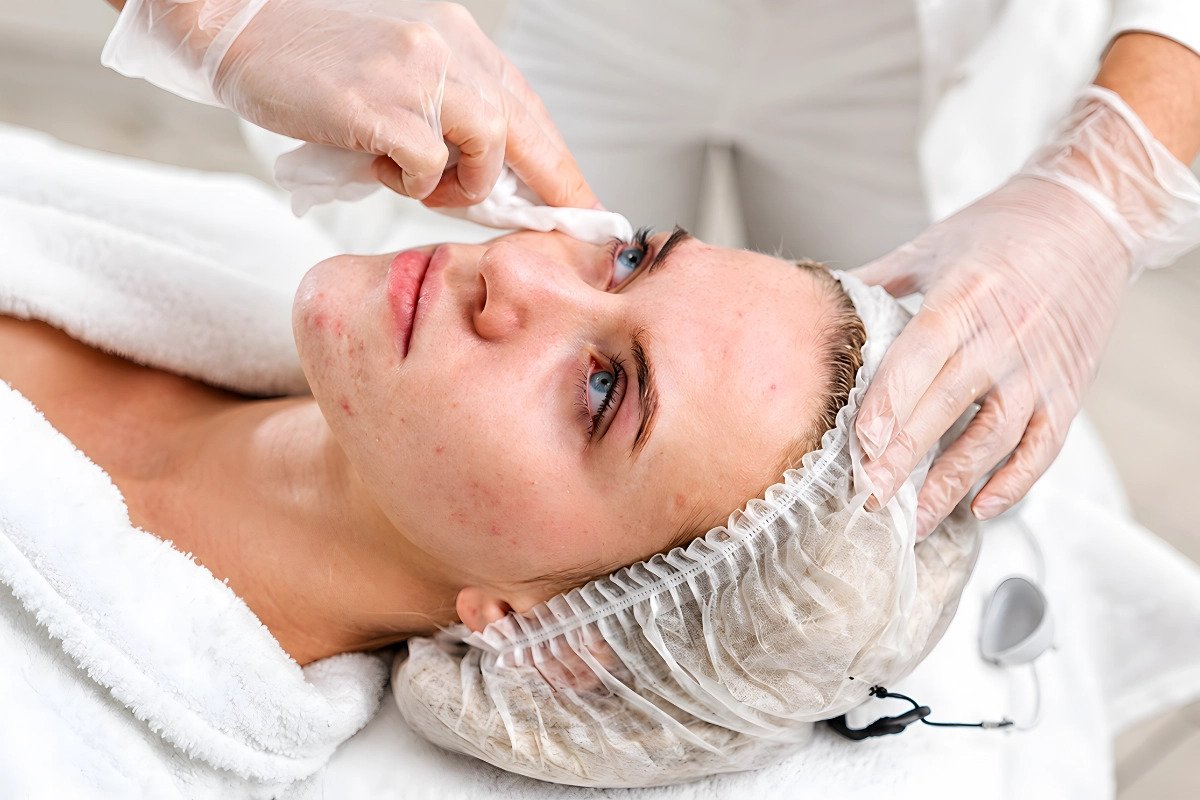


Acne is one of the most common skin conditions, affecting teenagers and adults alike. While occasional breakouts are normal, persistent acne can become frustrating, particularly when it causes inflammation, dark spots, or permanent scarring.
Many people try different skincare products and home remedies to manage acne, but these approaches do not always address the underlying causes. Understanding why acne develops and choosing appropriate treatment can make an important difference in maintaining healthy skin.
With advances in dermatology, several treatment options are available to manage different types of acne and improve overall skin health.
What Causes Acne?
Acne develops when hair follicles become clogged with excess sebum (natural skin oil), dead skin cells, and bacteria. This can lead to blackheads, whiteheads, inflamed pimples, and deeper cystic lesions.
Several factors can contribute to acne, including:
1. Excess Oil Production
Sebaceous glands produce sebum to keep the skin moisturised. However, excessive oil production can contribute to blocked pores and acne breakouts.
2. Hormonal Changes
Hormonal fluctuations can increase oil production and contribute to acne. This is particularly common during puberty, menstrual cycles, pregnancy, and certain hormonal conditions.
3. Bacterial Activity and Inflammation
The bacterium Cutibacterium acnes naturally lives on the skin. Changes within clogged hair follicles can encourage bacterial activity and inflammation, contributing to acne lesions.
4. Stress and Lifestyle Factors
Stress may influence hormonal activity and aggravate existing acne in some individuals. Irregular sleep patterns and certain lifestyle habits may also affect overall skin health.
5. Unsuitable Skincare Products
Heavy moisturisers, pore-clogging cosmetics, and harsh exfoliating products may worsen breakouts or irritate acne-prone skin.
Different Types of Acne You Should Know About
Understanding the type of acne is important because different forms may require different treatment approaches.
1. Whiteheads
Whiteheads develop when pores become blocked with oil and dead skin cells. They appear as small, skin-coloured or white bumps.
2. Blackheads
Blackheads are open clogged pores. Their dark appearance occurs because the material inside the pore reacts with air, not because of poor hygiene.
3. Papules and Pustules
Papules are small, inflamed bumps that may feel tender. Pustules are similar but contain visible pus.
4. Cystic Acne
Cystic acne involves deeper, painful inflammatory lesions. It can increase the risk of permanent scarring and generally requires medical evaluation.
5. Hormonal Acne
Hormonal acne commonly appears around the chin, jawline, and lower face. It may occur in adults and can be associated with hormonal fluctuations or underlying conditions.
Why Does Adult Acne Develop?
Acne is often associated with teenage years, but many adults continue experiencing breakouts well into their 30s, 40s, and beyond.
Adult acne may be influenced by hormonal fluctuations, genetics, stress, unsuitable skincare routines, and certain medications.
Women may experience recurring breakouts around their menstrual cycle, while some individuals develop acne alongside conditions associated with hormonal imbalance.
Persistent or sudden-onset adult acne should be evaluated by a dermatologist, particularly when accompanied by other symptoms.
Why Consider Professional Acne Treatment in Dubai?
Dubai’s climate, environmental conditions, and everyday lifestyle can influence skin health. Heat, sweating, humidity, and the use of unsuitable skincare products may aggravate acne-prone skin in some individuals.
For people experiencing recurring breakouts, painful pimples, acne marks, or persistent inflammation, acne treatment in Dubai can provide access to dermatologist-guided care and personalised treatment options.
A professional acne assessment generally considers:
- Type and severity of acne.
- Skin sensitivity and oil production.
- Medical and hormonal history where relevant.
- Previous acne treatments and skincare products.
- Presence of acne marks or scarring.
- Lifestyle habits and possible contributing factors.
Based on the assessment, a dermatologist can recommend suitable medical treatments, skincare adjustments, or in-clinic procedures.
The objective is not only to manage existing breakouts but also to reduce recurrence and minimise the risk of long-term skin damage.
Available Treatment Options for Acne
Acne treatment depends on its type, severity, skin sensitivity, and individual medical history.
Some commonly used treatment approaches include:
1. Topical Acne Medications
Topical treatments are frequently used for mild to moderate acne. Depending on the condition, dermatologists may recommend ingredients such as:
- Benzoyl peroxide to reduce acne-causing bacterial activity.
- Topical retinoids to help prevent clogged pores.
- Azelaic acid to manage acne and associated pigmentation.
- Salicylic acid to help unclog pores.
The appropriate product and concentration should be selected according to skin type and tolerance.
2. Oral Medications
Moderate to severe acne may require prescription medications.
Depending on the patient’s condition, treatment may involve oral antibiotics for limited periods, hormonal treatments for selected patients, or isotretinoin for certain cases of severe acne.
These medications require medical assessment and appropriate monitoring.
3. Medical Acne Peels
Certain chemical peels may help improve clogged pores, excess oil, and superficial acne-related pigmentation.
The choice of peel depends on the patient’s skin condition, sensitivity, and acne severity.
4. In-Clinic Acne Treatments
Selected patients may benefit from dermatologist-guided procedures designed to support acne management and skin recovery.
These treatments may be considered alongside medical skincare rather than as replacements for appropriate acne medication.
5. Treatment for Acne Marks and Scars
Once active acne is controlled, additional treatments may be considered for persistent pigmentation, textural changes, or acne scars.
The suitable approach depends on the type of scarring, skin tone, and individual skin characteristics.
Skincare Mistakes That Can Make Acne Worse
Even individuals following a regular skincare routine may unintentionally aggravate acne.
Avoiding certain common mistakes can help support healthier skin.
Overwashing the Face: Washing too frequently can irritate the skin and compromise its natural protective barrier.
Using Too Many Active Ingredients: Combining several strong exfoliants or acne products can cause redness, dryness, and irritation.
Picking or Squeezing Pimples: This can increase inflammation and raise the risk of acne marks and scarring.
Skipping Moisturiser: Acne-prone skin still needs hydration. A suitable non-comedogenic moisturiser can help maintain skin barrier health.
Ignoring Sun Protection: Sun exposure can worsen post-inflammatory pigmentation. Using an appropriate broad-spectrum sunscreen is important.
Daily Habits That Support Acne-Prone Skin
Alongside appropriate medical treatment, simple skincare and lifestyle habits can help maintain healthier skin.
- Cleanse your face gently twice daily.
- Choose non-comedogenic skincare products.
- Avoid frequently touching or picking acne lesions.
- Use sunscreen suitable for acne-prone skin.
- Maintain a consistent skincare routine.
- Clean makeup brushes and regularly change pillowcases.
- Follow a balanced diet and maintain adequate hydration.
- Seek medical advice if breakouts become persistent or painful.
It is also important to remember that acne is not simply a result of poor hygiene. Consistent skincare alone may not be sufficient for moderate or severe acne.
When Should You Visit a Dermatologist?
Occasional pimples may improve with appropriate over-the-counter skincare products. However, professional assessment becomes important when acne is persistent, painful, or progressively worsening.
Consider consulting a dermatologist if you experience:
- Frequent or recurring breakouts.
- Deep, painful, or cystic acne.
- Acne that leaves dark marks or scars.
- Sudden adult-onset acne.
- Breakouts that do not respond to regular skincare.
- Acne affecting your confidence or daily life.
Early evaluation and appropriate treatment can help control inflammation and reduce the risk of permanent scarring.
Conclusion
Acne is a common but manageable skin condition that can affect people at different stages of life. Understanding its causes, recognising different types of acne, and choosing suitable treatments are essential for achieving healthier skin.
While skincare routines and lifestyle habits play a supportive role, persistent or severe acne often requires professional medical attention.
A personalised dermatological approach can help address active breakouts, reduce inflammation, manage acne marks, and support long-term skin health. Taking timely action can make a meaningful difference in both skin appearance and confidence.