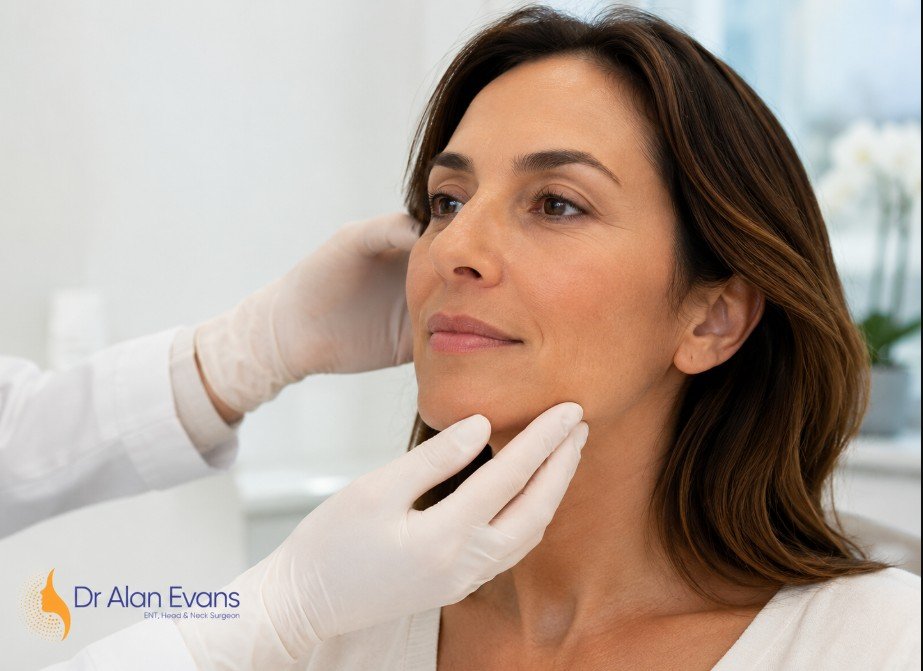


Ageing is a natural process that affects different parts of the body at different rates. While many people pay considerable attention to facial skincare and appearance, the neck is often overlooked. Over time, changes in skin texture, elasticity, muscle tone and underlying tissue can make the neck appear older than the face. These changes are influenced by several factors, including genetics, sun exposure, lifestyle habits and the natural ageing process.
One reason the neck can show visible signs of ageing earlier is that its skin has different structural characteristics from facial skin. The neck generally has fewer oil-producing glands, which can contribute to dryness and make fine lines more noticeable. Its skin is also relatively thin and can be more susceptible to environmental damage. As collagen and elastin production gradually decline with age, the skin may become less firm and develop wrinkles or loose areas.
Daily habits can also influence how the neck ages. Prolonged exposure to ultraviolet (UV) radiation, repeated downward head movements and inadequate sun protection may contribute to visible changes. For individuals researching Neck Lift Sydney, understanding these underlying factors can provide useful context about why neck ageing occurs and how it differs from changes in other facial areas.
Understanding the Main Causes of Neck Ageing
Reduced Collagen and Elastin Production
Collagen and elastin are essential proteins that help maintain skin structure, firmness and flexibility. As people age, the body’s natural production of these proteins gradually decreases. This process affects the skin throughout the body, including the neck.
Reduced collagen levels can contribute to thinner-looking skin, while declining elastin can affect its ability to return to its original position after stretching. Consequently, the neck may develop fine lines, creases and areas of looseness. These changes are gradual and can vary considerably between individuals.
Repeated Sun Exposure
Sun exposure is one of the major environmental factors associated with premature skin ageing. The neck is frequently exposed to sunlight, particularly when clothing does not cover the area. Ultraviolet radiation can damage collagen and elastin fibres, contributing to pigmentation changes, uneven skin texture and wrinkles.
Unlike the face, which may receive regular skincare and sun protection, the neck is sometimes neglected during daily skincare routines. Applying broad-spectrum sunscreen to the neck and exposed upper chest, wearing protective clothing and seeking shade can help reduce cumulative UV exposure.
Changes in Neck Muscles
The appearance of the neck is influenced by underlying muscles as well as the skin. One important muscle is the platysma, a broad, thin muscle that extends from the lower face towards the upper chest.
With ageing, changes in muscle tone and tissue support can make vertical bands more noticeable. These bands may become visible when speaking, moving the neck or contracting certain facial muscles. In some individuals, the separation or prominence of these muscle bands contributes to an aged appearance.
Development of Loose Skin and Fat Distribution
Changes in fat distribution and the supporting tissues beneath the skin can also affect the neck’s appearance. Some individuals develop fullness beneath the chin, while others experience reduced tissue volume and increased skin laxity.
The amount and location of fat beneath the chin can be influenced by genetics, age and body composition. These changes may affect the definition of the jawline and the angle between the chin and neck. However, not all visible changes are caused by excess fat, as skin laxity and muscle changes can also contribute.
Repeated Head Movements and Posture
Modern lifestyles often involve spending extended periods looking down at mobile phones, laptops and other devices. Repeated neck movements can contribute to the development or increased visibility of horizontal creases.
These lines are sometimes referred to as neck lines or horizontal neck wrinkles. Although normal skin folding is part of natural movement, repeated positioning may make existing creases more noticeable over time. Maintaining comfortable posture and taking regular movement breaks can support general musculoskeletal health.
Genetics and Individual Ageing Patterns
Genetics plays an important role in determining how and when visible ageing changes develop. Some individuals naturally have thinner skin, less pronounced jawline definition or a greater tendency towards neck laxity.
Family history, skin characteristics and inherited facial structure can all influence the appearance of the neck. This explains why two people of a similar age may experience noticeably different ageing patterns.
Why the Neck May Age Differently from the Face
The face and neck are connected anatomically, but they do not necessarily show ageing changes in the same way. Facial skincare routines often include moisturisers, serums and sun protection, while the neck may receive less attention.
Furthermore, the neck has different skin characteristics, muscle structures and patterns of movement. The combined effects of environmental exposure, tissue changes and natural ageing can make differences between the two areas more apparent.
Understanding Available Medical Considerations
Changes in neck appearance can have several underlying causes, so understanding the specific concern is important before considering any medical procedure. A neck lift is a surgical procedure that may involve addressing selected concerns relating to excess skin, underlying muscle structure or fat beneath the chin.
However, suitability depends on individual anatomy, medical history, skin condition and personal circumstances. Surgical procedures also carry risks, including bleeding, infection, scarring, changes in sensation and complications associated with anaesthesia. Recovery experiences and outcomes vary between individuals.
Anyone considering cosmetic surgery should have an appropriate consultation with a suitably qualified medical practitioner, discuss potential benefits and risks, and allow sufficient time to make an informed decision. A consultation does not guarantee that a particular procedure will be suitable or recommended.
Understanding why the neck often looks older than the face involves recognising the combined effects of genetics, sun exposure, collagen loss, muscle changes and everyday habits. Although these changes are a normal part of ageing, appropriate skincare, sun protection and healthy lifestyle practices can help support skin health. Having realistic expectations and obtaining reliable medical information can also help individuals make informed decisions about changes in their neck appearance.