

A nasal cannula works hard every day. It delivers oxygen, comfort, and relief with each breath. Smart users watch it closely, since a fresh tube protects the lungs. So, how to clean a nasal cannula and when to swap it out are skills worth learning. Clear signs tell you the right moment to act. Let’s walk through each step, so you stay ahead of trouble and keep every breath safe.
Clear Visual Signs to Spot Fast
Your eyes are your best tool. Hold the cannula up to a bright window and look down the length of it from tip to end. A good one is going to be clear, soft, and smooth. Any deviation from that is your signal to do something.
- Cloudy or yellow tubing: fresh tubing is clear. A milky or yellow tint indicates build-up inside the line, and a wash is required.
- Crusty prongs: any dried mucus or dust near the tips must be removed immediately. Clean prongs ensure each breath is comfortable.
- Cracks or rough spots: Tiny splits show the plastic has aged. A new set restores a steady flow of oxygen.
- Kinks that stay put: A bend that refuses to straighten blocks airflow. A new line gives you a smooth path again.
Smell, Touch, and Comfort Clues
Your nose and fingers will pick up on the problem too. Give the cannula a quick sniff each morning. A fresh cannula will have absolutely no smell. If it smells musty or sour, it’s time to replace it.
Next, run your fingers down the tubing. Sticky patches are a sign of residual skin oil and moisture. Stiff prongs are a sign of wear. Soft, pliable prongs will sit nicely in the nose, so any change in feel is something you should investigate.
Comfort is just as important. Look out for red skin at the nostrils and behind the ears. Any tender spots are a sign that the prongs have lost their shape. A good fit is good care.
How Often Should You Change a Nasal Cannula?
Time is your guide. Most manufacturers suggest swapping it every 2 to 4 weeks. How often you should change your nasal cannula also depends on what you see, smell, and feel. If any of the above criteria are met, then it’s time for a new cannula.
Illness resets the clock as well. After a cold, flu, or any respiratory bug, toss the old set and start fresh. A new cannula protects your recovery.
Here is a quick schedule to keep handy:
- Every two to four weeks: Routine swap
- After any respiratory illness: Brand new set
- When damage appears: Same-day swap
- In a care facility: Follow your infection control policy
Write the start date on a sticky note or calendar. That small habit keeps your plan on track. Check your maker’s guide and your care team’s advice too, since each product has its own rules.
What Is the Best Way to Clean It?
Good news: a clean routine is simple. Here is how to clean a nasal cannula in six easy steps:
- Wash your hands with soap and water.
- Unplug the cannula from the oxygen source.
- Soak it in warm water with a drop of mild dish soap.
- Rinse the tubing and prongs with clean water.
- Hang it up and let it air dry.
- Place it in a clean, dry home.
Go for a mild soap rather than a strong cleaner, as the gentle care will protect the soft plastic. Wipe the prongs quickly each day to prevent buildup.
Cleaning will extend the life of your cannula, but a wash will never replace a swap. Pair your wash routine with a clear answer to how often you should change a nasal cannula. It’s a case of teamwork; the washing keeps it fresh, and the swapping keeps it safe.
Why Does Storage Matter So Much?
A clean cannula deserves a clean home. Plastic bags hold in moisture, and damp air is the perfect breeding ground for germs. Once you’ve got the hang of how to clean your nasal cannula, the next sensible thing to do is to find a better place to store it.
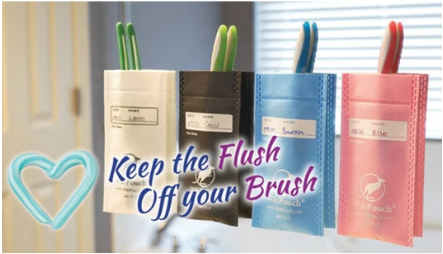
That’s where WikiPouch® is leading the way. They make safe, affordable, and sustainable healthcare products. Their product is a breathable, moisture-wicking pouch that stores the reusable nasal cannulae and other respiratory equipment. This reduces healthcare-acquired infections (HAIs) compared with plastic bags.
Real users are backing this up. One infection control nurse at a skilled nursing and rehab facility reports a dramatic reduction in respiratory infections following the switch from plastic bags to WikiPouch®. Another nurse at a Sacramento nursing home says the pouches made a big difference in her facility in terms of respiratory infections.
Why Hospital Leaders Trust WikiPouch®
Decision makers want proof, and WikiPouch® provides it. They can see the research, they can download the product sheets, they can see the distributor details. The pouches are found via McKesson, Medline, and TwinMed, so it all fits in with the existing supply chain.
The pouches also reduce plastic waste. You get a reusable, breathable option which protects both your patients and the planet. That’s the combination of infection control and sustainability that makes WikiPouch® such a good choice for hospitals, LTC, and home care.
Better yet, the same pouch works in daycare centers, hotels, and university housing. One simple tool serves many settings.
Final Thought
Your nasal cannula will tell you what it needs. Cloudy tubing, odd smells, stiff prongs, sore skin all point to the need for action. Maintain a cleaning regimen, store the cannula in a breathable bag, and keep an eye on the calendar. Once you know how often you need to change a nasal cannula, every breath you take is going to be safer. Small things done today will lead to healthier days tomorrow.
Protect Patients and Staff with WikiPouch®
Ready to upgrade storage? Choose WikiPouch®, the breathable, moisture-wicking pouch built for reusable nasal cannulas and respiratory equipment. Request free samples today. Swap plastic bags for a smarter, greener solution your infection prevention team will love.