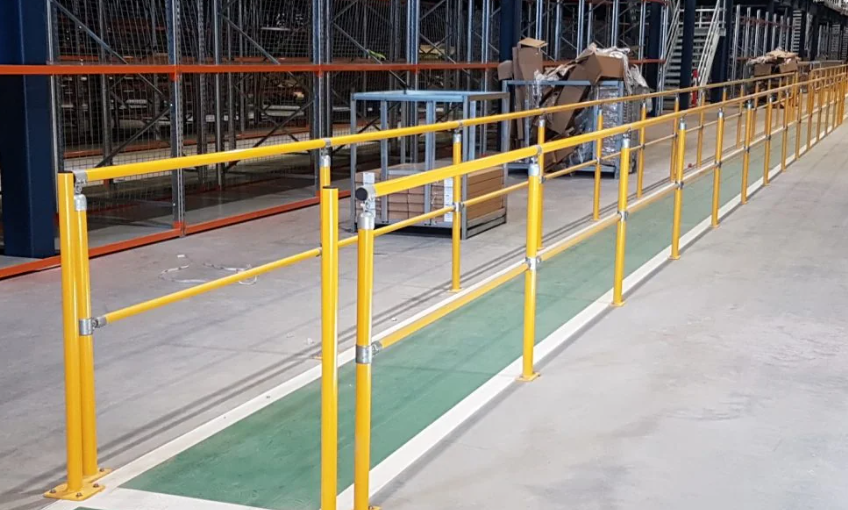


Barricades help protect workers, pedestrians and motorists by separating active work areas from public access routes. Proper storage and maintenance keep this equipment ready for daily use. A designated safety barricade storage area also helps site teams manage equipment efficiently, reduce damage and maintain clear access routes. Regular inspections, suitable cleaning methods and organised storage practices support safer site operations.
Choose a Suitable Storage Area
Select a storage location that workers can access easily without obstructing pedestrian routes, emergency exits or vehicle movements. The area should provide enough space to collect, inspect, and return equipment. Clearly marked storage zones help maintain order throughout daily site activities.
Consider ground conditions, available shelter and the types of barricades used on site. A firm, level surface supports stable storage, while suitable weather protection helps preserve equipment condition. Position frequently used items where workers can retrieve them efficiently.
Store Barricades Correctly
Proper storage arrangements help prevent accidental damage and make equipment easier to handle. Site teams should follow these practices:
- Safe Stacking: Follow manufacturer instructions for stacking heights and equipment positioning.
- Stable Positioning: Secure upright barricades to prevent tipping or movement.
- Component Organisation: Store bases, connectors and warning panels together.
- Clear Access: Maintain sufficient space for safe equipment handling.
Consistent storage practices also make routine inspections and equipment collection more efficient.
Inspect Barricades Before and After Use
Regular inspections help identify damage that could affect a safety barricade’s performance. Workers should check the following components:
- Structural Condition: Examine frames, panels and joints for cracks, bending or wear.
- Base Stability: Confirm that feet and supports remain secure.
- Visibility: Check reflective strips, colours and warning markings.
- Missing Components: Identify loose fittings or absent connecting parts.
After use, inspect equipment again and separate damaged items for assessment, repair or replacement.
Clean and Maintain Equipment
Dust, mud and construction residue can reduce the visibility of barricades and warning panels. Use manufacturer-recommended cleaning methods and suitable materials to remove accumulated dirt. Allow equipment to dry, if needed, before returning it to the designated storage area.
Inspect barricades exposed to strong winds, heavy rainfall or prolonged sunlight. Check for material deterioration, weakened connections and damaged reflective surfaces. Follow manufacturer guidance when arranging repairs, and replace components that no longer meet the required condition.
Check Signage and Site Requirements
Barricades often operate alongside warning signs, traffic cones and temporary lighting. Site teams should confirm that these items remain visible, correctly positioned and suitable for the surrounding work environment. Clear signage communicates hazards and guides movement around restricted areas.
For roadside activities, follow applicable road signage requirements in Australia, including relevant state or territory road authority instructions and approved traffic management arrangements. Requirements depend on road conditions, work activities and the traffic control measures specified for the site.
Maintain Inspection Records
A simple inspection register helps site teams monitor equipment condition and maintenance activities. Record inspection dates, identified damage, cleaning work and replacement requirements. Assign responsibility for returning equipment to storage and reviewing its condition after each use.
Conclusion
Organised storage and consistent maintenance help site teams keep barricades ready for everyday operations. Suitable storage locations, regular inspections and proper cleaning support equipment reliability and efficient handling. Clear signage and accurate maintenance records also contribute to effective site management. By following established procedures and manufacturer guidance, teams can maintain dependable equipment and support safer working environments.