

Introduction
Bird watching in India offers an unparalleled opportunity to immerse oneself in the captivating beauty of nature. The country’s diverse ecosystems, ranging from lush jungles to open grasslands, create a haven for a plethora of bird species. Whether you are an avid bird watcher or a curious beginner, India’s expansive landscapes provide the perfect backdrop for observing some of the most vibrant and elusive avian species. With a rich blend of cultural heritage and biodiversity, a bird-watching safari in India is an adventure that combines the thrill of exploration with the serenity of nature.
The Allure of Bird Watching in India
India’s vast and varied geography makes it one of the richest birding destinations globally. From the snow-clad Himalayas to the verdant Western Ghats, the country boasts habitats that attract migratory birds and house resident species alike. Bird watching here is not just a hobby; it’s a gateway to understanding the intricate balance of ecosystems.
Diverse Habitats and Bird Species
India’s unique habitats include wetlands, forests, deserts, and mountains. Each of these regions is home to distinct bird species that draw enthusiasts worldwide. For instance:
- Wetlands such as Bharatpur’s Keoladeo National Park host flocks of migratory birds like the Siberian crane.
- Forests of Madhya Pradesh shelter vibrant species like the Indian pitta and Malabar trogon.
- Deserts in Rajasthan are the domain of the great Indian bustard.
- Mountain ranges like the Himalayas offer sightings of the Himalayan monal and snow partridge.
Iconic Bird Watching Destinations
- Keoladeo National Park (Rajasthan): A UNESCO World Heritage Site, this park is a birdwatcher’s paradise.
- Kaziranga National Park (Assam): Known for its rhinos, it’s also home to diverse bird species like pelicans and storks.
- Ranganathittu Bird Sanctuary (Karnataka): Famous for its colonies of painted storks, herons, and cormorants.
- Thattekad Bird Sanctuary (Kerala): Known as the Salim Ali Bird Sanctuary, it houses rare species such as the Ceylon frogmouth and Malabar parakeet.
Why India Is a Bird Watcher’s Dream
Migratory Marvels
India’s wetlands become a seasonal refuge for migratory birds traveling thousands of kilometers. Species such as:
- The bar-headed goose, known for its high-altitude migration.
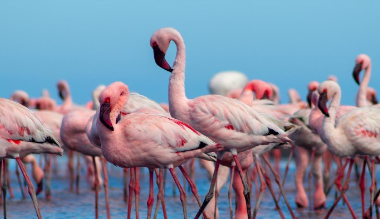
- Flamingos that create a spectacular sight in Gujarat’s Rann of Kutch.
Rich Biodiversity
India is home to over 1,300 bird species, many of which are endemic. The country’s biodiversity hotspots, including the Himalayas and Western Ghats, play a critical role in preserving avian life.
Bird Watching and Conservation
Many bird sanctuaries and national parks are at the forefront of conservation efforts, ensuring that habitats remain safe for resident and migratory birds. By indulging in bird watching, visitors also contribute to the cause of environmental preservation.
Planning a Bird Watching Safari in India
Choosing the Right Season
The best time for bird watching in India is during the winter months, from November to February. This is when migratory birds arrive, and the weather is conducive to outdoor exploration.
Gear Up for the Adventure
Essential gear for bird watching includes:
- Binoculars: A must-have for clear sightings.
- Field Guide: Helps identify species on the go.
- Camera with Telephoto Lens: To capture stunning shots of birds.
- Comfortable Clothing: Neutral tones to blend into the surroundings.
Guided Tours for a Memorable Experience
Opting for guided bird-watching tours ensures that enthusiasts benefit from the expertise of local naturalists. They not only guide you to the best spots but also share fascinating insights about bird behavior and habitats.
The Intersection of Bird Watching and Cultural Exploration
A bird-watching safari in India is more than observing avian life. It’s also an opportunity to explore the rich cultural heritage of the regions. For instance:
- Rajasthan’s bird sanctuaries are often close to historic forts and palaces.
- Kerala offers a blend of birding and serene backwater cruises.
- Assam’s tea gardens provide a picturesque backdrop for watching.
Tips for a Successful Bird Watching Expedition
Patience is Key
Bird watching demands patience and silence. By staying still and attentive, bird watchers can witness fascinating behaviors, such as courtship displays or feeding patterns.
Timing Matters
The best times for bird activity are early mornings and late afternoons. Plan your excursions accordingly to maximize sightings.
Respect Nature
While exploring, it’s crucial to:
- Avoid disturbing the birds or their habitats.
- Keep noise to a minimum.
- Follow sanctuary rules and guidelines.
Keep a Record
Maintaining a bird-watching journal helps document sightings and enriches the overall experience. Noting details like location, time, and behavior can be valuable for both personal records and scientific contributions.
The Role of Bird Watching in Wildlife Conservation
Fosters an appreciation for nature and promotes awareness about the challenges facing avian species. From habitat loss to climate change, the threats are real. However, eco-tourism activities like bird provide the necessary funds and global attention to conservation initiatives.
Community Involvement
Local communities play a vital role in preserving bird habitats. Bird-watching activities often involve them, offering economic benefits and encouraging sustainable practices.
Unforgettable Moments in India’s Wilderness
Bird watching in India offers countless memorable moments:
- Witnessing the majestic flight of an eagle over the Chambal River.
- Spotting the rare Bengal florican in Assam’s grasslands.
- Listening to the melodic calls of koel birds in dense forests.
The Bottom Line
Bird watching in India is a journey into the vibrant world of avian life, set against a backdrop of stunning natural beauty and cultural richness. With its diverse habitats, India offers experiences that are both thrilling and serene. Whether it’s spotting a colorful kingfisher near a riverbank or observing a rare migratory species in a wetland, each moment is a testament to nature’s wonders. By indulging in bird watching, travelers not only satisfy their curiosity but also contribute to preserving the delicate ecosystems that make such adventures possible.