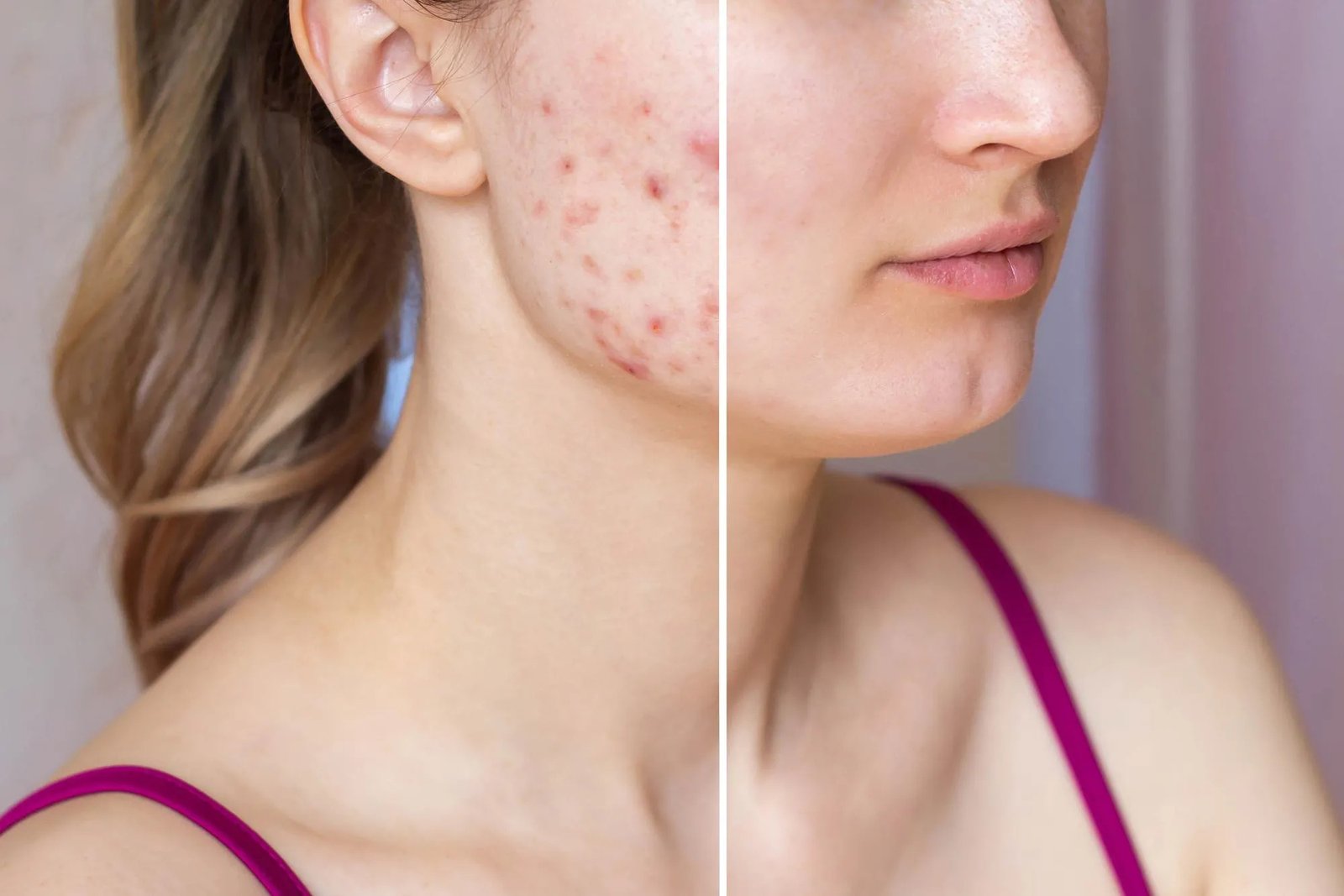


Acne is one of the most common skin concerns affecting people of different ages. It can develop during adolescence or continue into adulthood, appearing as pimples, blackheads, whiteheads, inflamed bumps, and deeper skin blemishes. Although acne is often associated with hormonal changes, several other factors, including genetics, excess oil production, clogged pores, bacteria, and lifestyle habits, can influence its development.
Acne treatment in Dubai has become an important consideration for individuals looking to improve their skin health and achieve a clearer complexion. Modern dermatology offers different treatment options designed to address various types of acne and their underlying causes. However, treatment results can vary from person to person because every individual’s skin has different characteristics and needs.
At Perla Dermatology Clinic, personalized dermatological care focuses on understanding individual skin concerns before recommending suitable treatment approaches. Factors such as acne severity, skin type, medical history, and previous skincare routines can all influence treatment planning. Understanding these factors helps individuals develop realistic expectations and work toward healthier-looking skin.
Understanding Acne and Its Development
Acne develops when hair follicles become clogged with excess oil, dead skin cells, and other impurities. The skin naturally produces sebum, an oily substance that helps maintain moisture. However, excessive sebum production can contribute to blocked pores and create conditions that encourage acne development.
The presence of acne-associated bacteria and inflammation can further contribute to different types of breakouts.
Common forms of acne include:
- Whiteheads: Closed clogged pores that appear as small white or skin-coloured bumps.
- Blackheads: Open clogged pores that develop a darker appearance because of oxidation.
- Papules: Small, inflamed bumps that may appear red or tender.
- Pustules: Inflamed acne lesions containing visible pus.
- Nodules: Larger, deeper, and often painful acne lesions.
- Cysts: Deep inflammatory lesions that may require specialized dermatological care.
Understanding the type of acne is an important first step when considering Acne treatment in Dubai, as different forms may respond differently to available treatments.
Why Acne Treatment Results Differ Between Individuals
One of the most important aspects of acne management is recognizing that treatment results are not identical for everyone. Some individuals notice improvement relatively quickly, while others require a longer treatment period and a combination of approaches.
Several factors influence how the skin responds to treatment.
Type and Severity of Acne
The type and severity of acne play an important role in determining the treatment approach. Mild acne may involve occasional blackheads and whiteheads, while moderate acne can include more frequent inflammatory breakouts.
Severe acne may involve deeper nodules and cysts that require more specialized medical attention.
The extent of inflammation and the number of affected areas can influence treatment duration and expected improvement.
Individual Skin Type
Skin type is another important factor that affects acne treatment results.
Oily skin may produce excess sebum, contributing to clogged pores and frequent breakouts. Dry or sensitive skin may react more easily to certain acne treatments, requiring a carefully selected skincare routine.
Combination skin can present additional challenges because different facial areas may have different oil levels and skincare requirements.
A professional assessment helps identify skin characteristics and select appropriate treatment options.
Hormonal Changes
Hormones can influence oil production and contribute to acne development. Hormonal fluctuations during puberty, menstruation, pregnancy, and certain medical conditions may affect the frequency and severity of breakouts.
Some adults experience persistent acne because of hormonal influences, particularly around the chin, jawline, and lower cheeks.
Understanding these patterns can help dermatologists determine whether hormonal factors should be considered during treatment planning.
Genetic Factors
Genetics can influence an individual’s tendency to develop acne. People with a family history of persistent acne may have a greater likelihood of experiencing similar skin concerns.
Inherited characteristics can influence oil production, inflammatory responses, and skin sensitivity.
These factors may affect how acne develops and how the skin responds to different treatment methods.
Common Factors That Can Worsen Acne
Apart from natural skin characteristics, several external and lifestyle-related factors may contribute to acne development or make existing breakouts more noticeable.
Excessive Oil Production
Excess sebum can mix with dead skin cells and contribute to clogged pores. This can increase the likelihood of blackheads, whiteheads, and inflammatory breakouts.
Inappropriate Skincare Products
Heavy or pore-clogging skincare products may contribute to breakouts in some individuals. Using products that are unsuitable for a particular skin type can also cause irritation.
Frequent Touching of the Face
Repeatedly touching the face can transfer dirt, oil, and other impurities to the skin. Picking or squeezing pimples may also increase inflammation and contribute to post-acne marks.
Stress
Stress may influence hormonal activity and inflammatory responses. Although it is not the only cause of acne, increased stress can contribute to worsening breakouts in some individuals.
Dietary Habits
Diet can influence skin health, although its effects vary between individuals. Certain dietary patterns, including foods with a high glycaemic load, may be associated with acne in some people.
Inconsistent Skincare Routines
Frequently changing skincare products or using too many active ingredients can irritate the skin. A consistent and appropriate routine is generally more helpful than repeatedly switching treatments.
Understanding these factors can support better outcomes when following a personalized Acne treatment in Dubai plan.
Modern Acne Treatment Options
Modern dermatology offers several approaches to managing acne. Treatment selection depends on the type of breakouts, their severity, skin characteristics, and individual medical history.
At Perla Dermatology Clinic, treatment recommendations can be tailored according to the individual’s skin concerns and professional assessment.
Topical Acne Treatments
Topical treatments are commonly used for mild to moderate acne. They are applied directly to the skin and may help reduce clogged pores, control inflammation, and improve breakouts.
Common ingredients include:
- Salicylic acid: Helps exfoliate inside the pores and remove accumulated dead skin cells.
- Benzoyl peroxide: Helps reduce acne-associated bacteria and inflammatory breakouts.
- Retinoids: Help regulate skin cell turnover and prevent clogged pores.
- Azelaic acid: May help improve acne and the appearance of post-inflammatory discoloration.
- Niacinamide: Supports the skin barrier and may help improve the appearance of redness and excess oil.
The appropriate ingredient and concentration depend on skin type and treatment requirements.
Oral Acne Medications
Some individuals with moderate or severe acne may require oral medications as part of their treatment plan.
Depending on the diagnosis, dermatologists may consider oral antibiotics, hormonal treatments, or other prescription medications.
These options require professional assessment because medical history, age, existing conditions, and potential medication interactions must be considered.
Chemical Peels
Chemical peels use selected exfoliating ingredients to remove accumulated dead skin cells and improve skin texture.
Certain peels may help address clogged pores, superficial acne, and post-acne discoloration. The strength and formulation should be selected according to skin type and acne severity.
Laser and Light-Based Treatments
Certain laser and light-based procedures may be used as part of an acne management plan. Depending on the technology, they may help target acne-associated bacteria, reduce inflammation, or improve selected skin concerns.
The suitability of these procedures depends on the individual’s condition and treatment goals.
Acne Scar Treatments
Some individuals continue to experience visible marks or uneven skin texture after active acne improves.
Depending on scar type, dermatologists may consider procedures such as microneedling, selected laser treatments, or other resurfacing approaches.
Active acne and acne scarring are different concerns, so they may require separate treatment strategies.
Understanding Acne Treatment Cost in Dubai
The overall cost of acne treatment can vary depending on the type of acne, selected procedures, treatment duration, and individual skin requirements.
The Acne treatment cost in Dubai is not the same for everyone because different patients may require different combinations of skincare products, medical treatments, and professional procedures.
Several factors can influence the overall treatment price.
Severity of Acne
Mild acne may require a relatively straightforward treatment plan, while moderate or severe acne may need more extensive dermatological care.
Type of Treatment
Topical medications, oral treatments, chemical peels, and laser procedures have different costs and treatment requirements.
Number of Sessions
Some professional procedures require multiple appointments to achieve the desired improvement. The number of sessions can influence the overall expense.
Skin Condition and Treatment Complexity
Individuals with sensitive skin, persistent inflammation, or additional pigmentation concerns may require more carefully planned treatment approaches.
Professional Expertise
The qualifications and experience of the treating dermatologist may also influence treatment fees.
Combination Treatments
Some individuals may benefit from combining medical skincare with professional procedures. The overall cost depends on the treatments included in the personalized plan.
When researching the Acne treatment cost in Dubai, individuals should consider the suitability of the recommended treatment and the quality of professional care rather than focusing exclusively on the lowest price.
A consultation at Perla Dermatology Clinic can help individuals understand their skin condition, explore appropriate treatment options, and discuss the expected costs.
How to Choose the Best Acne Treatment in Dubai
Selecting an appropriate acne treatment is an important step toward improving skin health. Since acne can develop for different reasons, treatment should be based on professional evaluation rather than general skincare trends.
Individuals searching for the Best Acne Treatment in Dubai should consider several important factors.
Professional Dermatological Assessment
A qualified dermatologist should evaluate acne type, severity, skin sensitivity, and possible contributing factors before recommending treatment.
Personalized Treatment Plans
A suitable treatment approach should reflect individual skin characteristics and medical history. A standard solution may not address everyone’s concerns equally.
Appropriate Treatment Selection
The recommended procedure or medication should match the specific acne condition. Mild acne and deeper inflammatory acne may require different approaches.
Clear Communication
Individuals should receive clear information about treatment duration, expected results, aftercare, and possible adjustments.
Realistic Expectations
Acne improvement generally takes time. A professional should explain that results may develop gradually and that some individuals require ongoing maintenance.
These considerations can help individuals make informed decisions when looking for the Best Acne Treatment in Dubai.
The Importance of a Personalized Acne Treatment Plan
Personalized treatment planning is essential because acne is influenced by multiple factors. Two individuals with similar breakouts may have different underlying causes and treatment requirements.
A personalized plan considers:
- Skin type and sensitivity.
- Type and severity of acne.
- Hormonal and medical history.
- Previous treatments and skincare routines.
- Presence of acne scars or pigmentation.
- Individual lifestyle and treatment goals.
At Perla Dermatology Clinic, an individualized approach focuses on understanding these differences before selecting suitable treatment options.
This helps ensure that Acne treatment in Dubai is approached according to each person’s skin condition rather than relying on a single treatment method.
How Long Does Acne Treatment Take to Show Results?
Acne treatment usually requires patience and consistency. The time needed to notice improvement depends on the type of acne, selected treatment, and individual response.
Some individuals may begin noticing improvements within four to six weeks. However, more significant improvement often requires approximately eight to twelve weeks or longer.
Deeper inflammatory acne may need an extended treatment plan and regular professional monitoring.
It is also important to understand that acne treatments work in different ways. Some focus on reducing inflammation, while others help prevent clogged pores or regulate oil production.
Individuals should follow their recommended treatment schedule and avoid stopping or changing prescribed products without professional guidance.
Daily Skincare Habits That Support Acne Treatment
A consistent skincare routine can support professional acne treatments and help maintain skin health.
Gentle Cleansing
Wash the face with a gentle cleanser suitable for the skin type. Avoid excessive scrubbing, which can irritate the skin and worsen inflammation.
Regular Moisturization
Even oily and acne-prone skin needs hydration. A lightweight, non-comedogenic moisturizer can help support the skin barrier.
Daily Sun Protection
Use a broad-spectrum sunscreen with SPF 30 or higher. Sun protection is particularly important when using certain acne treatments that may increase skin sensitivity.
Avoid Picking Pimples
Picking or squeezing acne lesions can increase inflammation and contribute to post-inflammatory marks and scarring.
Choose Suitable Skincare Products
Look for products labelled non-comedogenic when appropriate. Avoid combining multiple strong active ingredients without professional guidance.
Maintain Consistency
Give recommended treatments enough time to work. Frequently changing products can make it difficult to determine which ingredients are helping or irritating the skin.
These habits can complement Acne treatment in Dubai and contribute to a more consistent skincare routine.
The Connection Between Acne and Post-Inflammatory Pigmentation
Acne does not always end when a breakout disappears. Some individuals develop dark spots that remain after inflammation has improved.
This condition is known as post-inflammatory hyperpigmentation. It occurs when inflammation stimulates excess melanin production in the affected area.
These marks may appear brown, dark red, or greyish depending on skin tone and the depth of discoloration.
Managing acne early and avoiding picking or squeezing lesions can help reduce the likelihood of additional marks.
Once active acne is controlled, dermatologists may recommend suitable treatments to address remaining discoloration.
A personalized approach is important because active acne, pigmentation, and acne scars are separate concerns that may require different procedures.
Managing Acne in Dubai’s Climate
Environmental conditions can influence skin health, particularly in regions with strong sunlight and warm weather.
Heat, humidity, sweating, and environmental impurities may contribute to discomfort and clogged pores in some individuals. Frequent outdoor exposure can also make sunscreen and appropriate skincare particularly important.
People managing acne in Dubai can benefit from a few practical habits:
- Cleanse the skin gently after excessive sweating.
- Avoid leaving sweat and impurities on the face for extended periods.
- Choose lightweight, non-comedogenic skincare products.
- Apply sunscreen regularly.
- Avoid heavy products that feel uncomfortable on oily skin.
- Maintain a consistent skincare routine.
These everyday habits can support professional treatment and help individuals manage their skin more effectively.
Why Professional Guidance Matters in Acne Management
Although many skincare products are available for acne, choosing the wrong ingredients or using them incorrectly can lead to irritation and inconsistent results.
Professional dermatological guidance helps identify the underlying factors contributing to breakouts and determine suitable treatment options.
A dermatologist can assess whether acne is primarily related to excess oil, clogged pores, hormonal influences, or inflammation.
Professional care also helps individuals understand when prescription medication or in-clinic procedures may be appropriate.
For those researching the Best Acne Treatment in Dubai, professional assessment and individualized recommendations should be important priorities.
Personalized Acne Care at Perla Dermatology Clinic
Perla Dermatology Clinic focuses on understanding individual skin concerns and providing personalized dermatological care.
Acne treatment requires more than addressing visible pimples. It involves identifying contributing factors, understanding skin characteristics, and selecting suitable options for long-term skin management.
Whether someone experiences occasional breakouts, persistent inflammatory acne, clogged pores, or post-acne marks, professional evaluation helps determine an appropriate approach.
The clinic’s personalized treatment philosophy emphasizes individual assessment, clear communication, and realistic treatment expectations.
Individuals considering Acne treatment in Dubai can discuss their concerns and learn about suitable options based on their skin condition. They can also receive guidance about treatment duration, aftercare, and the expected Acne treatment cost in Dubai.
This approach supports informed decisions and helps individuals work toward clearer, healthier-looking skin.
Conclusion
Acne treatment results depend on several factors, including skin type, acne severity, hormonal activity, genetics, lifestyle habits, and treatment consistency. Understanding these influences is essential for selecting an appropriate approach and establishing realistic expectations.
Modern dermatology offers different solutions for managing acne, from topical medications and oral treatments to chemical peels and selected professional procedures. However, the most suitable option depends on individual skin requirements.
Choosing Acne treatment in Dubai through personalized dermatological care can help individuals understand their skin concerns and explore appropriate treatment options. Understanding the Acne treatment cost in Dubai also makes it easier to evaluate treatment requirements and plan accordingly.
For individuals searching for the Best Acne Treatment in Dubai, professional expertise, accurate skin assessment, and customized treatment planning should remain important considerations.
At Perla Dermatology Clinic, personalized care emphasizes treating individual skin concerns with suitable dermatological approaches. With consistent skincare habits, professional guidance, and patience, individuals can work toward improved skin clarity and a healthier-looking complexion.