

Introduction
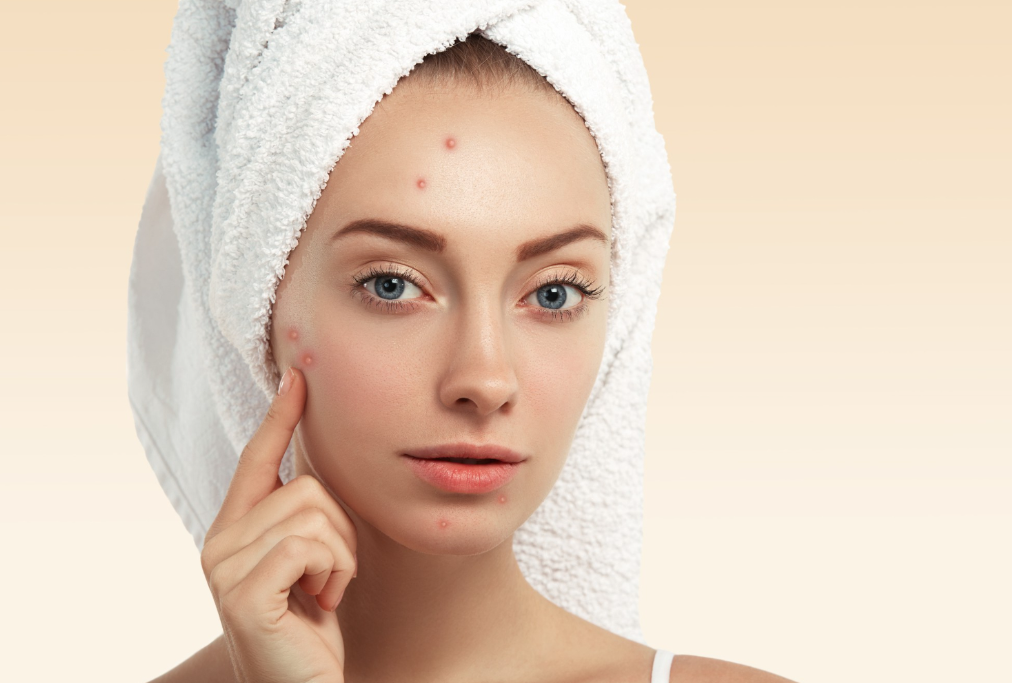
Acne is one of the most common skin concerns, affecting people of different ages and skin types. It can develop due to several factors, including excess oil production, clogged pores, hormonal changes, bacteria, and inflammation. Although acne is often associated with teenage years, many adults also experience persistent breakouts that can affect their skin texture, confidence, and overall appearance.
Finding the right treatment is important because every individual’s skin is different. Some people experience occasional spots, while others struggle with frequent breakouts, clogged pores, or persistent blemishes. A personalised skincare approach can help address these concerns and support clearer, healthier-looking skin.
At SLA Medical Clinic, individuals can explore aesthetic treatment options designed around their unique skin concerns and goals. Whether you are dealing with occasional breakouts or ongoing acne concerns, understanding the available treatment approaches can help you make informed decisions about your skincare journey.
If you are researching Acne Treatment In Manchester, learning about the causes of acne, available treatment options, and professional skincare approaches is a helpful starting point.
What Is Acne?
Acne is a common skin condition that develops when hair follicles become blocked with oil, dead skin cells, and other impurities. These blockages can lead to different types of blemishes, including whiteheads, blackheads, papules, pustules, and deeper inflammatory spots.
Acne most commonly appears on the face, but it can also affect the chest, shoulders, back, and other areas where oil-producing glands are more active.
The severity and appearance of acne vary from person to person. While some individuals experience occasional breakouts, others may have persistent acne that requires a more structured skincare routine and professional treatment plan.
What Causes Acne?
Understanding the factors contributing to acne can help identify suitable treatment options. Acne does not have a single cause, and several factors may work together to trigger breakouts.
Excess Sebum Production
Sebum is the natural oil produced by the sebaceous glands. It helps keep the skin moisturised, but excessive production can contribute to blocked pores and acne formation.
Clogged Pores
Dead skin cells can accumulate inside hair follicles and combine with excess oil. This creates blockages that may develop into blackheads, whiteheads, and other blemishes.
Hormonal Changes
Hormonal fluctuations can influence oil production and contribute to acne. This is particularly common during puberty, menstrual cycles, pregnancy, and certain stages of adulthood.
Bacterial Activity
The bacterium Cutibacterium acnes naturally exists on the skin. Changes within blocked follicles can encourage bacterial activity and contribute to inflammation.
Lifestyle and Environmental Factors
Stress, certain skincare products, environmental pollution, and lifestyle habits may influence existing acne concerns. Identifying individual triggers can help support a more effective skincare strategy.
Different Types of Acne
Acne can appear in several forms, and recognising the type of breakout is important when selecting an appropriate treatment approach.
Whiteheads
Whiteheads develop when pores become blocked with oil and dead skin cells. The opening of the pore remains closed, creating small white or flesh-coloured bumps on the skin.
Blackheads
Blackheads are formed when blocked pores remain open. The exposed material inside the pore reacts with oxygen, creating a darker appearance.
Papules
Papules are small, raised, red or pink bumps that develop when blocked follicles become inflamed.
Pustules
Pustules are inflamed blemishes containing visible pus. They often appear as red bumps with a white or yellow centre.
Nodular Acne
Nodular acne involves larger, deeper, and more noticeable lumps beneath the skin. This type of acne may require specialist assessment and an appropriate treatment strategy.
Cystic Acne
Cystic acne is a more severe form of inflammatory acne that involves deep lesions beneath the skin. It often requires medical evaluation to determine the most suitable treatment.
Why Is Personalised Acne Treatment Important?
Not every acne concern responds to the same treatment. A skincare product or procedure that works well for one person may not provide the same results for someone with a different skin type or acne pattern.
A personalised approach considers several important factors, including:
- Skin type and natural oil production.
- Type and severity of acne.
- Frequency and location of breakouts.
- Existing skincare routine.
- Previous acne treatments.
- Presence of post-acne marks or uneven skin texture.
- Individual skincare goals.
At SLA Medical Clinic, discussing your skin concerns and desired outcomes can help you understand which aesthetic options may be appropriate for your individual requirements.
Popular Acne Treatment Options in Manchester
Different treatments are available to address acne, depending on its type, severity, and underlying causes. Professional assessment helps determine which options may be suitable for your skin.
Professional Acne Facials
Professional acne facials are designed to support skin cleansing and improve the appearance of congested pores. These treatments may include gentle cleansing, exfoliation, and skincare products selected according to individual skin requirements.
They can be considered by people experiencing oily skin, blackheads, and mild congestion.
Chemical Peels for Acne-Prone Skin
Chemical peels use selected exfoliating ingredients to remove accumulated dead skin cells from the skin’s surface. Depending on the formulation, they may help improve clogged pores, uneven texture, and the appearance of post-acne marks.
Common ingredients used in acne-focused chemical peels include salicylic acid and glycolic acid.
The appropriate peel depends on skin sensitivity, acne type, and individual treatment goals.
Microneedling for Post-Acne Scars
Microneedling is an aesthetic procedure that uses fine needles to create controlled microchannels in the skin. This process supports the skin’s natural collagen production.
It is commonly considered for individuals concerned about certain types of atrophic acne scars and uneven skin texture.
Microneedling is generally more focused on improving the appearance of acne scarring rather than treating active acne breakouts.
Laser Treatments for Acne Concerns
Certain laser and light-based treatments may help address selected acne-related concerns. Depending on the technology used, these procedures can target inflammation, redness, or changes in skin texture.
A professional assessment is important to determine whether a particular laser treatment is appropriate for your skin type and acne condition.
Medical Skincare Treatments
Medical-grade skincare products may be recommended as part of an acne management routine. Depending on individual needs, these products may contain ingredients such as retinoids, salicylic acid, benzoyl peroxide, or azelaic acid.
A suitable skincare routine can help manage excess oil, support pore cleansing, and improve the overall appearance of acne-prone skin.
How Does an Acne Treatment Consultation Work?
A professional consultation is an important first step when exploring acne treatment options. It allows your practitioner to understand your concerns and recommend an approach based on your skin condition.
Initial Skin Assessment
The consultation begins with an assessment of your skin. Your practitioner may examine the type of acne, affected areas, skin texture, oil production, and any visible post-acne marks.
Understanding Your Skin History
Your previous skincare products, treatment experiences, and lifestyle habits may be discussed. This information helps identify factors that could be contributing to persistent breakouts.
Personalised Treatment Recommendations
Based on the assessment, suitable treatment options can be discussed. These may include professional facials, chemical peels, skincare products, or other appropriate procedures.
Developing a Treatment Plan
A personalised plan may include multiple sessions or a combination of skincare approaches. Your practitioner can explain the recommended schedule and the expected improvements.
Monitoring Skin Progress
Regular reviews can help assess how your skin responds to the recommended approach. Treatment recommendations may be adjusted according to your progress and changing skincare needs.
How to Choose the Best Acne Treatment in Manchester
Choosing an appropriate clinic and treatment approach is an important part of managing acne. With different procedures and skincare options available, it is helpful to consider several factors before making a decision.
When researching the Best Acne Treatment In Manchester, keep the following points in mind.
Look for Experienced Practitioners
Choose a clinic where practitioners have appropriate qualifications and experience in treating different skin concerns. Knowledge of acne types and skin conditions is important when recommending suitable treatments.
Consider Personalised Consultations
A good treatment approach should begin with understanding your individual skin condition. Avoid choosing procedures simply because they are popular or advertised as suitable for everyone.
Explore Available Treatment Options
Different acne concerns may require different approaches. Look for a clinic that can discuss suitable treatment options based on your specific needs.
Understand the Treatment Process
Before beginning a procedure, ask about the treatment stages, recommended sessions, expected results, and aftercare requirements.
Review Treatment Pricing
Understanding the cost of each session and the overall treatment plan can help you make a more informed decision.
Acne Treatment Cost in Manchester
The cost of acne treatment can vary depending on the type of procedure, severity of acne, treatment area, and number of sessions required.
When researching Acne Treatment Cost In Manchester, it is important to understand that different treatments have different pricing structures.
Several factors may influence the overall cost.
Type of Acne Treatment
Professional facials, chemical peels, microneedling, and laser procedures involve different techniques and equipment. Their costs may therefore vary.
Number of Treatment Sessions
Some treatments may require a single appointment, while others involve multiple sessions to achieve the desired improvements.
Skin Condition and Treatment Requirements
Individuals with mild congestion may require a different treatment approach from those experiencing persistent inflammatory acne or visible acne scarring.
Combination Treatments
In certain cases, a practitioner may recommend combining professional procedures with an appropriate skincare routine. This can influence the overall treatment cost.
Consultation and Aftercare
Consultation fees, recommended skincare products, and follow-up appointments may also contribute to the total cost.
At SLA Medical Clinic, individuals can discuss their skin concerns and treatment expectations to understand the available options and associated pricing.
How to Maintain Clearer-Looking Skin After Acne Treatment
Professional treatments can support improvements in skin appearance, but maintaining a consistent skincare routine is equally important.
Cleanse Your Skin Gently
Use a gentle cleanser suited to your skin type to remove excess oil, sweat, and daily impurities. Avoid harsh cleansing products that may leave the skin feeling excessively dry.
Use Non-Comedogenic Products
Choose skincare and cosmetic products labelled non-comedogenic. These products are formulated to reduce the likelihood of clogging pores.
Include Suitable Active Ingredients
Ingredients such as salicylic acid, benzoyl peroxide, azelaic acid, and retinoids may help manage different acne concerns. Introduce active ingredients according to professional guidance.
Apply Moisturiser Regularly
Even oily and acne-prone skin needs hydration. A lightweight moisturiser can help maintain the skin’s moisture balance.
Wear Daily Sunscreen
Sun protection is an important part of an acne skincare routine. Use a broad-spectrum sunscreen with SPF 30 or higher to help protect the skin from ultraviolet exposure and reduce the appearance of post-acne discolouration.
Avoid Picking or Squeezing Spots
Touching, picking, or squeezing acne lesions can contribute to irritation and make post-acne marks more noticeable.
Maintain a Consistent Routine
Changing skincare products too frequently can make it difficult to understand what works for your skin. A consistent routine gives suitable products time to deliver improvements.
Acne Treatment for Different Skin Types
Skin type plays an important role in selecting suitable acne treatments. Understanding your skin’s individual characteristics can help determine which products and procedures may be appropriate.
Acne Treatment for Oily Skin
Oily skin often produces excess sebum, which can contribute to clogged pores and frequent breakouts. Gentle cleansing and products containing suitable exfoliating ingredients may help manage oiliness.
Acne Treatment for Dry Skin
Dry skin can also experience acne. Treatment should focus on managing breakouts while maintaining adequate hydration through gentle cleansers and suitable moisturisers.
Acne Treatment for Combination Skin
Combination skin usually has oilier areas, particularly around the forehead, nose, and chin, alongside drier areas. A balanced routine can address different skin requirements without over-drying the complexion.
Acne Treatment for Sensitive Skin
Sensitive skin may react more easily to certain active ingredients and exfoliating products. A gentle approach with carefully selected products can help support skin comfort while addressing acne concerns.
Acne Marks and Acne Scars: Understanding the Difference
Acne marks and acne scars are often confused, but they are different skin concerns that may require different treatment approaches.
Post-Acne Marks
Post-acne marks are changes in skin colour that remain after a breakout has healed. They may appear as red, pink, brown, or darker patches depending on the individual’s skin tone and the type of inflammation.
Skincare ingredients and selected professional treatments may help improve their appearance over time.
Atrophic Acne Scars
Atrophic scars are depressed areas that develop when the skin loses collagen during the healing process. They can create an uneven skin surface.
Microneedling and selected laser procedures may be considered to improve the appearance of certain types of atrophic scars.
Hypertrophic Acne Scars
Hypertrophic scars are raised areas that develop due to excess collagen production during healing. They may require a different professional treatment approach from depressed acne scars.
Understanding the difference between marks and scars helps practitioners recommend more appropriate treatment options.
Why Consider SLA Medical Clinic for Acne Treatment in Manchester?
Finding a suitable aesthetic clinic is an important step towards developing a skincare plan that addresses your individual concerns.
SLA Medical Clinic offers individuals an opportunity to explore aesthetic treatment options based on their skin goals and preferences.
A personalised approach can help identify suitable options for concerns such as acne-prone skin, uneven texture, congestion, and post-acne marks.
When discussing your requirements, you can explore:
- Your current skin condition and acne concerns.
- Suitable professional skincare options.
- Treatment recommendations based on your skin type.
- The number of sessions that may be required.
- Expected treatment outcomes.
- Pricing and aftercare guidance.
Taking time to understand your treatment options can help you make informed decisions and establish realistic expectations for your skincare journey.
Frequently Asked Questions About Acne Treatment in Manchester
What is the best treatment for acne?
The most suitable acne treatment depends on the type and severity of acne, skin type, and individual concerns. Options may include topical skincare products, chemical peels, professional facials, and medical treatments.
How long does acne treatment take to show results?
The timeframe varies according to the treatment and severity of acne. Some individuals may notice gradual improvements within several weeks, while persistent acne may require a longer treatment plan.
Can acne treatments help with acne scars?
Certain treatments, including microneedling and selected laser procedures, may improve the appearance of specific types of acne scars. The appropriate option depends on scar type and skin condition.
Is acne treatment suitable for adults?
Yes. Acne can affect adults as well as teenagers. Adult acne may be influenced by hormonal fluctuations, genetics, skincare products, and other factors.
How much does acne treatment cost in Manchester?
The price depends on the procedure, treatment area, number of sessions, and individual requirements. A consultation with SLA Medical Clinic can help clarify suitable treatment options and their costs.
Can I wear makeup after acne treatment?
This depends on the procedure performed. Your practitioner will provide specific aftercare instructions, including guidance on when you can resume using makeup.
Can acne return after treatment?
Acne can return because several factors, including hormones and natural oil production, continue to influence the skin. A consistent skincare routine and suitable maintenance plan can help manage recurring breakouts.
Are chemical peels good for acne-prone skin?
Certain chemical peels containing ingredients such as salicylic acid may help improve clogged pores and acne-prone skin. The appropriate formulation should be selected according to individual skin needs.
Conclusion
Acne can affect people of different ages and skin types, making it important to find a treatment approach that addresses individual concerns. From professional facials and chemical peels to microneedling and medical skincare products, various options are available to improve the appearance of acne-prone skin.
If you are considering Acne Treatment in Manchester, understanding your skin type, acne condition, and available procedures can help you choose a suitable approach. A personalised consultation is an important step towards developing a skincare plan that supports clearer-looking skin and improved texture.
At SLA Medical Clinic, you can explore aesthetic treatment options and discuss your individual skincare goals. With appropriate professional guidance, consistent skincare habits, and a treatment plan suited to your needs, you can work towards achieving a healthier, smoother, and more confident-looking complexion.