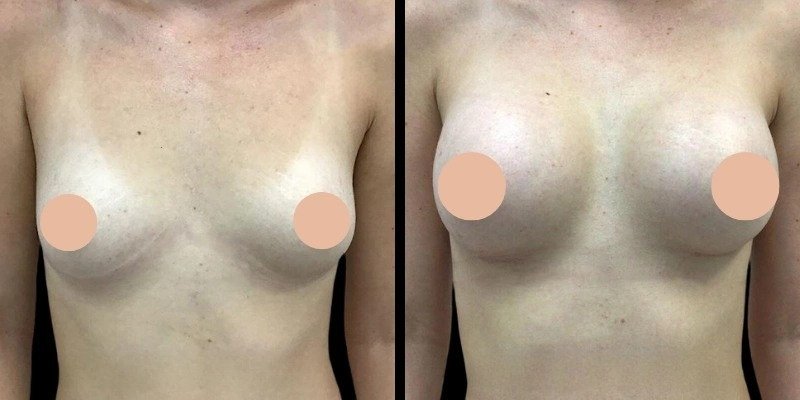


Breast augmentation is a cosmetic surgical procedure that can enhance breast volume, improve shape, and create more balanced body proportions. For anyone considering implants, safety should be just as important as the desired appearance. Understanding implant types, potential complications, follow-up requirements, and long-term monitoring can help patients make informed decisions.
When researching Breast augmentation in Dubai, patients should learn about the benefits and limitations of breast implants before choosing a procedure. Implants are medical devices, and although many patients have satisfactory outcomes, complications can occur during recovery or years later.
At Perfect Doctors Clinic, patients can discuss their goals, implant options, and safety-related questions with Dr. perfect celebrity. A thorough consultation helps patients understand what the procedure involves and how to plan for both immediate recovery and long-term implant care.
Understanding Implant Safety with the Best Doctors in Dubai
Implant safety involves choosing an appropriate device, undergoing surgery with a qualified medical team, following postoperative instructions, and attending recommended monitoring appointments.
How the Best Doctors in Dubai Assess Your Suitability
The Best Doctors in Dubai should review a patient’s medical history, general health, allergies, previous surgeries, and expectations before recommending breast augmentation.
The assessment may include examining breast tissue, skin elasticity, chest proportions, and any existing asymmetry. Patients should disclose all medicines, supplements, nicotine use, and medical conditions that could affect surgery or healing.
A consultation should also explain the possible benefits, risks, alternatives, and limitations of breast implants. Patients should have enough time to ask questions and should not feel pressured into making an immediate decision.
Why Medical History Matters Before Breast Augmentation Surgery
Before Breast augmentation surgery, patients should tell their healthcare team about previous breast procedures, bleeding problems, healing difficulties, and any relevant family or personal medical history.
Some health conditions or medications may affect surgical planning. The surgeon and anaesthetist can explain whether additional assessments or changes are necessary.
Patients should never stop prescribed medication independently. All medication adjustments should be made with professional guidance.
Learning About Breast Implant Types and Safety
Breast implants differ in their filling material, shape, size, and surface characteristics. Each option has specific considerations that patients should understand before surgery.
Silicone and Saline Implants
Silicone implants contain silicone gel, while saline implants contain sterile saltwater within an outer shell. Both types have potential benefits and risks, and suitability depends on individual circumstances and the available approved products.
A saline implant rupture often causes the breast to lose volume as the saline is absorbed by the body. A silicone implant rupture may be less noticeable because the gel can remain within the surrounding scar tissue.
For this reason, patients with silicone implants may be advised to undergo imaging to check implant integrity, even when they do not notice symptoms. The appropriate schedule depends on current recommendations, the implant type, and the patient’s circumstances.
Understanding Implant Shape, Size, and Surface
Implants are available in different sizes and shapes, and their surface characteristics may also vary. These features can affect appearance, feel, and certain safety considerations.
The surgeon should explain the characteristics of the proposed implant and why it may be appropriate for the patient’s anatomy. Patients should also ask about the implant manufacturer, product information, warranty terms, and documentation they will receive after surgery.
Choosing an implant based only on size or appearance is not advisable. Safety, anatomical suitability, and realistic expectations should guide the decision.
Understanding Breast Augmentation in Dubai and Possible Complications
Like other surgical procedures, Breast augmentation in Dubai carries potential risks. Understanding these risks beforehand helps patients recognise warning signs and know when to seek medical advice.
Common Surgical and Implant-Related Risks
Possible complications include:
- Infection: An infection may require medication or further treatment.
- Bleeding or haematoma: Blood may collect around the surgical area.
- Capsular contracture: Scar tissue around an implant may tighten and cause firmness, discomfort, or changes in breast shape.
- Implant rupture: The outer shell may break or develop a leak.
- Implant displacement: An implant may move from its intended position.
- Changes in sensation: Nipple or breast sensation may increase, decrease, or change.
- Scarring and asymmetry: Scars and differences between the breasts may remain after healing.
Some complications can occur early, while others may develop months or years later. Not every complication requires the same treatment, so assessment by a qualified healthcare professional is important.
Rare Conditions Associated with Breast Implants
Certain rare conditions have been associated with breast implants. Breast implant-associated anaplastic large cell lymphoma, or BIA-ALCL, is a rare type of lymphoma associated mainly with textured implants.
Other rare implant-associated malignancies have also been reported. Patients should discuss the current safety information for their proposed implant, including its surface type and relevant regulatory guidance.
Persistent swelling, a new lump, pain, or fluid around an implant—especially years after surgery—should be assessed promptly. These symptoms do not automatically mean cancer, but they should not be ignored.
Following Safety Guidelines After Breast Augmentation Surgery
Postoperative care plays an important role in recovery. Patients should follow the instructions provided by their surgical team and attend scheduled appointments.
Protecting the Surgical Area During Recovery
After Breast augmentation surgery, swelling, bruising, tightness, and soreness are common. These symptoms generally improve gradually, but recovery varies between patients.
Patients should follow guidance about wound care, prescribed medicines, support garments, sleeping positions, and activity restrictions. Heavy lifting and strenuous exercise should be avoided until the surgeon confirms they are safe.
Increasing redness, fever, unusual wound discharge, worsening pain, or sudden swelling should be reported promptly. Chest pain, difficulty breathing, or fainting requires emergency medical attention.
Keeping Records and Attending Follow-Up Visits
Patients should retain their implant identification card and surgical records. These documents can provide important information about the implant manufacturer, model, and other product details.
Follow-up appointments allow the healthcare team to review healing and address concerns. Patients should also ask about long-term implant monitoring, including whether and when imaging is recommended.
Implants are not lifetime devices, and some patients may eventually need further surgery because of complications, ageing, or personal preferences. However, there is no single replacement date that applies to every implant.
Understanding Breast Augmentation Before and After Safety Considerations
The Breast augmentation before and after experience includes both the immediate recovery period and long-term care. Patients should understand that a satisfactory early result does not remove the need for ongoing monitoring.
What Patients Should Expect After Surgery
The breasts may initially appear swollen, firm, or uneven. Their shape can change as swelling decreases and the implants settle.
Patients should attend follow-up visits and avoid judging their final results too early. They should also contact their healthcare team if they notice new symptoms or unexpected changes in appearance.
Long-Term Changes and Future Procedures
Breast tissue can change with ageing, pregnancy, breastfeeding, and weight fluctuations. These changes may affect the appearance of the breasts even when the implants remain intact.
Some patients may consider revision surgery to address implant-related complications or changes in their preferences. Any decision should follow a medical assessment of the risks, benefits, and available alternatives.
Choosing the Best Breast Augmentation Surgeons in Dubai
Choosing a surgeon requires more than comparing before-and-after photographs. Patients should consider qualifications, relevant experience, safety arrangements, and the quality of postoperative support.
What to Ask the Best Breast Augmentation Surgeon in Dubai
People researching the Best breast augmentation surgeon in Dubai should verify professional registration and ask about the surgeon’s experience with breast augmentation and implant-related complications.
Important questions include:
- Which implant type do you recommend, and why?
- What are the specific risks associated with this implant?
- How will the implant be monitored over time?
- What symptoms should prompt an urgent assessment?
- What happens if an implant ruptures or another complication develops?
- What follow-up appointments and records will I receive?
Patients comparing the Best breast augmentation surgeons in Dubai should look for clear explanations and realistic advice. No surgeon or implant can guarantee a complication-free result.
Planning Natural-Looking Breast Augmentation with Safety in Mind
Many patients want fuller breasts that remain proportionate to their bodies. Natural-looking breast augmentation involves selecting an appropriate implant and planning the procedure around the patient’s anatomy.
Balancing Appearance and Implant Suitability
The implant should be selected according to breast width, existing tissue, skin elasticity, and the patient’s goals. Choosing a larger implant than the tissues can comfortably accommodate may increase certain risks and affect long-term appearance.
Patients should discuss realistic expectations and understand that natural-looking results cannot be guaranteed. The surgeon should explain the available options and their potential limitations.
Understanding Breast Augmentation Cost in Dubai
The Breast augmentation cost in Dubai may vary depending on implant type, surgical complexity, anaesthesia, facility fees, and postoperative care.
Patients should request an itemised quotation and ask what is included, such as implant costs, preoperative assessments, follow-up appointments, and any recommended monitoring. They should also clarify whether additional treatment for complications or future revision surgery would involve separate charges.
Cost should be considered alongside qualifications, safety arrangements, implant information, and access to follow-up care.
At Perfect Doctors Clinic, patients can discuss their proposed treatment, implant safety questions, and cost-related concerns with Dr. perfect celebrity during a consultation.
Conclusion: Making Informed Decisions About Breast Implant Safety
Breast implants can help enhance breast volume and shape, but they require careful selection, appropriate surgical care, and long-term monitoring. Patients should understand possible complications, keep their implant records, attend recommended follow-up appointments, and seek medical advice when new symptoms appear.
For those considering Breast augmentation in Dubai, researching the procedure and asking detailed questions are important steps towards an informed decision. Implant safety should remain a priority before surgery, throughout recovery, and for as long as the implants remain in place.
At Perfect Doctors Clinic, patients can discuss their goals and concerns with Dr. perfect celebrity as part of their consultation. A personalised treatment plan, realistic expectations, and ongoing medical guidance are important considerations when pursuing Natural-looking breast augmentation results.