


Let me clarify something immediately: bonus Aviator isn’t a slot machine in the conventional sense, even though many players search for it using terms like “Aviator slot.” There are no turning reels, no rows of symbols, and no set paylines running left to right. Instead, Aviator is a crash game built by Spribe, and its “ways to win” hinge entirely around a single rising multiplier curve. The game displays a small aeroplane that takes off and climbs higher on the screen while a multiplier ticks upward from 1x. Your job is to withdraw before the plane flies away and the round crashes. That cash-out mechanic is the single way to collect a payout, and it substitutes everything you’d normally associate with paylines, scatter symbols, or bonus rounds. I find this ease refreshing, but it also means you need to shift your thinking away from symbol combinations and toward timing, nerve, and a clear understanding of how the multiplier builds value in real time.
1. Just What Aviator Truly Is and How It Stands Apart From Conventional Slots
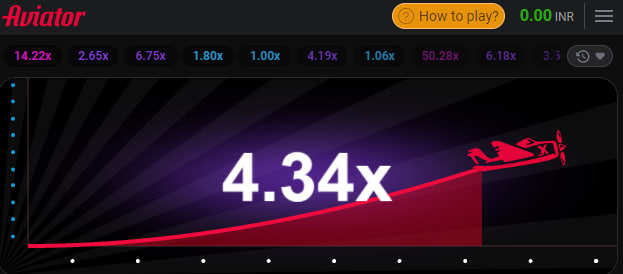
As soon as I first opened Aviator, I immediately observed the absence of reels, rows, and paylines. The entire game interface is designed around a black graph with a curved multiplier line that starts at 1x and rises upward. A small red plane travels along that line, and the suspense comes from the fact that the round can crash at any random moment. If you cash out before the crash, your bet is boosted by the exact multiplier visible at the moment you click the button. If you wait too long and the plane flies away, you surrender your stake fully. This is essentially different from a slot where winning hinges on lining up identical symbols on set paylines. In Aviator, there is only one “way to win” per bet: exit the round while the multiplier is still active. The game sits to the crash genre, which has surged hugely in the UK and other places because it strips away complicated rules and puts the outcome squarely in your hands, at least psychologically.
You need to realize that the multiplier doesn’t follow any foreseeable pattern. Each round’s crash point is decided by a provably fair algorithm before the plane even starts its ascent. The on-screen climb is just a display of that fixed number being unveiled over a few seconds. You aren’t playing against a reel map or a paytable that lists symbol values; you’re playing against a random number generator that chooses whether the round will crash at 1.02x or climb past 500x. This alters how you manage bankroll management and session planning. Instead of tallying spins and praying for a free spins trigger, you watch the live history of recent crash points and try to assess your own risk tolerance. The game’s design favors quick, repeated rounds, and the absence of traditional paylines means every round presents exactly one decision point: when to press the cash-out button.
7. Stake Range and Max Win Potential in Real Terms
The bet range in Aviator is typically quite broad, though the precise limits can fluctuate slightly depending on the casino platform operating the game. In my experience across several UK-facing sites, you can typically place a minimum bet of £0.10 per bet panel and go up to a ceiling of around £100 per bet. Because you have two bet panels, your overall stake per round can reach £200 if you max out both. This range makes the game accessible to casual players who want to wager small amounts while also catering to high rollers looking for bigger action. The max win isn’t determined by a fixed jackpot amount but by the combination of your stake and the multiplier you manage to catch. If you bet £100 and cash out at 1,000x, you would win £100,000, though I must stress that such multipliers are exceedingly rare.
In reality, most casinos impose a maximum win cap per round or per bet to guard themselves from extreme outliers. I’ve seen caps set at £10,000 or £25,000 on some platforms, but you need to review the particular terms of the site where you’re playing because Aviator itself doesn’t apply a hard limit within the game logic. The theoretical peak multiplier is huge, but the likelihood of reaching it is extremely slim. I think it’s more practical to think about realistic win chances. If you’re cashing out between 1.50x and 3.00x, your wins will be common but modest. If you aim for 50x and above, you’ll face long losing streaks interspersed with occasional large hits. The bet range allows you to adjust your exposure accordingly. I always advise starting with the minimum bet while you grasp the rhythm of the game and steadily increasing your stake only when you have a solid strategy and a bankroll that can handle the unavoidable dry spells.
6. Provably Fair Technology and Why It Matters for Your Peace of Mind
One aspect of Aviator that I constantly stress is its verifiably fair system, which is built into the game by Spribe. In contrast to a conventional slot where you have to assume that the random number generator is legitimate and the operator isn’t manipulating results, Aviator offers you the tools to validate each round’s outcome on your own. Before each round, the game creates a server seed, and you can also offer a client seed if you want to add your own randomness. After the round finishes, the game reveals the hashed seed, and you can use a external verifier to ensure that the crash point was decided fairly and not altered mid-flight. This level of openness is scarce in the casino world and is a immediate response to player concerns about manipulated games.
I’ve individually run verification checks on multiple rounds, and the process is easy. You copy the round’s hash and the server seed, paste them into a SHA-256 verification tool, and match the output with the displayed crash point. It corresponds every time if the casino is running the original Spribe software. This matters because it means the game’s “ways to win” aren’t quietly throttled. The crash point is locked the moment the round commences, and no one can alter it based on your bet size or cash-out behaviour. For UK players who are used to the oversight of the Gambling Commission, the verifiably fair feature adds an extra layer of personal assurance. It also means that the RTP and volatility I covered earlier are supplied honestly over the long run. When I play Aviator, I know that every crash at 1.00x was genuinely random, and every 200x multiplier was similarly random, not a promotional trick.
2. How the Multiplier Curve Creates Your Single Way to Win
The multiplier curve is the core of Aviator, and I consider it the only “payline” that matters. It begins at 1.00x and increments smoothly, often reaching 2x within a few seconds if the round survives that long. Because the game uses a random crash point, the multiplier can, in theory, ascend to massive values. I’ve seen rounds reach 1,000x or more in the game’s live history, though those are rare outliers. Your way to win is to increase your stake by whatever coefficient is appearing when you hit cash out. If you bet £5 and cash out at 3.21x, you win £16.05. That’s your whole payout calculation. There are no wild multipliers that emerge on certain reels, no cascading wins, and no bonus buy options. The multiplier is the whole show.
What makes this mechanism so engaging is that you can see the multiplier growing in real time, and you can also see other players’ cash-out points and bet amounts in the live sidebar. That social proof frequently tempts you to hold longer than you planned, pursuing a bigger multiplier while the risk of a crash climbs with every tick. I’ve learned that regarding the multiplier curve as a single expanding payline helps me stay focused. Instead of hoping for a combination of symbols to land, I set a target multiplier in my mind before the round opens. If the curve hits that point, I collect and move on. The game doesn’t pay you for bravery; it rewards you for clicking cash out before the invisible crash point triggers. The only “way to win” is to exit with a multiplier greater than 1.00x, and every fraction of a second you stay in the round boosts both the potential reward and the probability of losing everything.
3. RTP and Volatility: What the Numbers Truly Mean for Your Sessions
Spribe shares the theoretical return to player for Aviator at 97%, which I find competitive with many online slots available to UK players. That 97% RTP means that, over an vast number of rounds, the game is built to return £97 for every £100 wagered. However, the way that RTP is provided feels entirely different from a slot because of the extreme volatility built into the crash mechanic. In a typical slot, the RTP is distributed across frequent small wins and intermittent big hits. In Aviator, the RTP is concentrated in your ability to cash out steadily at low multipliers or periodically ride a huge multiplier. If you always cash out at 1.50x, you’ll win many rounds but each win is moderate, and a single crash before you can react wipes out several previous gains. If you aim for 10x or higher, you’ll lose many rounds in a row and rely on one big cash-out to recover.
The volatility in Aviator isn’t released as a single number like “high” or “medium,” but I can tell you from detailed observation that it feels exceptionally high. The game can crash instantly at 1.00x, which is a total loss with no multiplier applied. I’ve seen sequences where the plane crashes below 1.20x five or six times successively, which can drain a balance quickly if you aren’t using the auto cash-out feature. On the other hand, the game also delivers rounds that sail past 100x, and if you have the nerve to stay in, a single bet can return a enormous multiple of your stake. This variance is what draws risk-tolerant players, but it also means you need a bankroll that can withstand dry spells. I always suggest checking the in-game statistics panel, which shows your own results and the global round history, to get a realistic sense of how often high multipliers actually appear. The 97% RTP is a long-term average, and your short-term experience will be driven by volatility.
9. Useful Tips for Turning the Multiplier Curve Into Reliable Results
After spending many hours with Aviator, I’ve put together a set of useful guidelines that help me treat the multiplier curve as a workable way to win rather than a gamble on every round. First, I always use the two-bet system with a definite split: one bet set to auto cash-out at a low multiplier, typically between 1.30x and 1.50x, and the other left manual for higher targets. This blend smooths out the volatility and keeps my balance from crashing as hard during bad runs. Second, I never increase my bet size after a loss in an effort to recover quickly. The game’s crash points are independent, and chasing losses is the swiftest way to burn through a bankroll. I set a session budget and divide it into a set number of rounds, adjusting my base bet accordingly.
Third, I pay close attention to the round history but I don’t fall into the gambler’s fallacy of believing that a high multiplier is “due” after a string of low crashes. The provably fair system ensures each round is independent. What the history does tell me is the recent volatility climate. If I see ten rounds in a row crash below 1.20x, I might lower my manual bet target or sit out a few rounds to preserve capital. Fourth, I always test the auto cash-out feature with a few small bets before committing larger amounts, just to confirm that the interface is responsive and my settings are saved correctly. A missed cash-out due to a misconfigured auto setting can be expensive. Finally, I remind myself that the only true way to win in Aviator is to exit with a multiplier greater than 1.00x. Everything else is noise. The game rewards patience, discipline, and a clear exit plan far more than it rewards boldness or intuition.
4. The Double Bet Feature and How It Expands Your Options
One of the most intelligent design choices in Aviator is the ability to put two distinct bets on each round. When you start the game, you’ll notice two separate bet panels, each with its own stake input and cash-out button. I employ this feature constantly because it lets me run two completely different strategies at the same time. For instance, I might configure my first bet to auto cash-out at a very safe 1.35x, securing a small but consistent return if the round lasts that long. At the very time, I can set a lesser second bet and let it ride by hand, aiming for a much higher multiplier like 10x or 20x. If the round crashes early, I lose the risky bet but the conservative one might by then have cashed out, reducing the blow.
This dual-bet system introduces a layer of tactical depth that you plainly don’t get with fixed paylines on a slot. You’re basically managing two autonomous wagers on the identical multiplier curve. I’ve found that using unequal bet sizes works best. I typically allocate around 70% of my total round stake to the cautious auto cash-out bet and 30% to the manual high-risk bet. That way, even a extended string of early crashes doesn’t wipe me out totally, and when a big multiplier at last hits, the manual bet provides a substantial boost. The two bets are settled autonomously, and you can withdraw them at different moments. The interface shows both active bets and their current cash-out value in live mode, so you invariably know precisely where you stand. For anybody used to slots where you spin and hope, this dual-bet mechanic feels like a true strategic enhancement that gives you added control over your risk exposure on each round.
8. Social Elements, Real-Time Stats, and How They Affect Your Choices
Aviator features a live chat panel and a live feed of other players’ bets and cash-outs, which creates a social atmosphere that I haven’t seen in any classic slot. You can see the biggest wins of the day, the top multipliers hit, and even the amounts that other unnamed players are cashing out in the present round. This social layer can be a two-sided coin. On one hand, it provides a sense of belonging and shared excitement when someone lands a huge multiplier. On the other hand, it can push you into holding longer than you planned because you see others winning big while you’re cashing out at 1.20x. I’ve been caught by that trap more than once, and it almost always finishes with a crash before I can react.
The live stats panel is more practically useful. It presents the history of the last several hundred rounds, including the precise crash point for each. I review this history to get a feel for the distribution of multipliers. You’ll quickly notice that the vast majority of rounds crash below 2.00x, and rounds above 10x are uncommon. This data confirms the wisdom of setting a careful auto cash-out for at least one of your bets. The game also features the luckiest players and the biggest multipliers in a leaderboard-style display, but I treat that as fun rather than actionable information. The social features don’t change the underlying mathematics, and they certainly don’t generate additional ways to win. They can, however, impact your psychology, and being cognizant of that influence is the first step to managing it. I suggest using the chat to enjoy the shared experience but making your cash-out decisions based on your own predefined strategy, not on what the crowd is doing.
5. Automatic Cash-Out and Autoplay: Features That Replace Standard Bonus Functions
Aviator has no free spins, wild symbols, or scatter-triggered bonus rounds, but it does deliver automation functions that perform a like function by letting you set a strategy without depending on split-second reactions. The auto cash-out feature is the most important one. You can establish a specific multiplier value before the round commences, and if the multiplier hits that point, the game will automatically cash out your bet. I use this to ensure discipline. If I conclude that 2.00x is my aim, I set auto cash-out to 2.00x and I don’t have to wait with my finger lingering over the button, fighting the urge to stay for more. The system acts right away, eliminating the risk of hesitation or a slow internet connection causing a missed cash-out.
There’s also an auto play function that lets you schedule a fixed number of rounds with the matching bet amount and the identical auto cash-out multiplier. This effectively turns Aviator into a hands-off session for a while, which can be beneficial if you want to try a strategy over hundreds of rounds without hand clicking. However, I caution against having auto play active without supervision. The game’s volatility means that a series of instant crashes can deplete your balance sooner than you expect. I recommend defining loss limits or a maximum number of rounds and checking in regularly. These automation features aren’t bonus features in the traditional sense, but they function as risk-management tools. They swap the thrill of a bonus round with the steadiness of a preset exit plan. In my observation, players who use auto cash-out regularly tend to have lengthier sessions and fewer regretful moments than those who depend purely on manual timing.