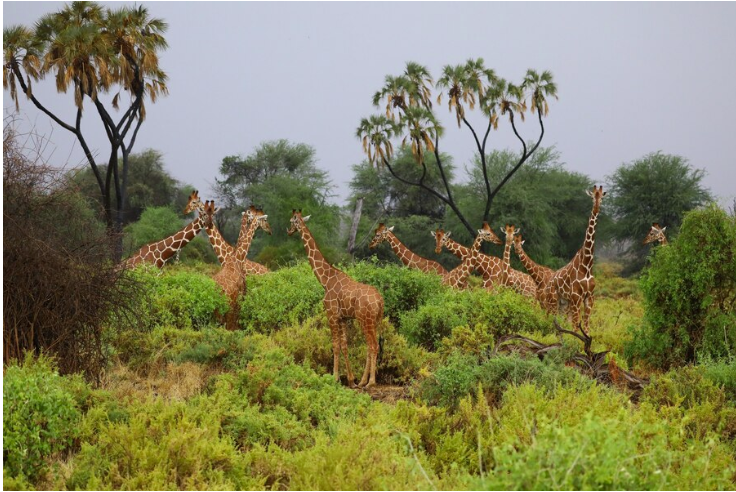


Africa is a treasure trove of biodiversity, offering a spectacular array of wildlife that captivates the hearts of adventurers, researchers, and nature lovers. With its vast savannahs, lush rainforests, and arid deserts, the continent provides the perfect backdrop for a thriving ecosystem teeming with unique species. Let’s explore the mesmerizing world of Africa wildlife.
The Big Five: Icons of the African Safari
The term “Big Five” was originally coined by hunters to describe the five most challenging animals to hunt on foot. Today, it represents the top attractions for safari-goers.
- Lion: Known as the “King of the Jungle,” lions are social big cats that live in prides and dominate the savannah.
- Elephant: The African elephant, the largest land animal, is admired for its intelligence and strong family bonds.
- Leopard: These elusive predators are masters of stealth, often found lounging in trees.
- Rhinoceros: With their prehistoric appearance, rhinos are critically endangered and protected through conservation efforts.
- Cape Buffalo: Often underestimated, these animals are powerful and unpredictable, earning their place among the Big Five.
Unique Wildlife Habitats Across Africa
Africa’s diverse geography supports a wide range of habitats, each home to specific species:
1. Savannahs
- Home to giraffes, zebras, cheetahs, and wildebeests.
- The Serengeti in Tanzania is famous for the annual Great Migration.
2. Rainforests
- Rich biodiversity with species like gorillas, chimpanzees, and exotic birds.
- The Congo Basin is a critical habitat for forest elephants and lowland gorillas.
3. Deserts
- The Sahara and Kalahari host animals adapted to extreme conditions, like fennec foxes and oryx.
4. Wetlands
- Nile crocodiles, hippos, and countless bird species thrive in areas like the Okavango Delta.
5. Mountains
- The Rwenzori and Virunga ranges are home to mountain gorillas and unique plants.
Predators of Africa: Masters of the Hunt
African wildlife includes some of the world’s most skilled predators:
- Cheetahs: The fastest land animals, capable of reaching speeds of 70 mph.
- Hyenas: Known for their bone-crushing jaws and complex social structures.
- Wild Dogs: With their colorful coats and cooperative hunting techniques, African wild dogs are highly efficient predators.
- Crocodiles: Apex predators of African rivers, known for their stealth and power.
Herbivores: Grazers and Browsers
Herbivores play a critical role in maintaining the balance of Africa’s ecosystems:
- Giraffes: The tallest animals on Earth, browsing on acacia trees.
- Zebras: Known for their striking black-and-white stripes, they migrate in large herds.
- Wildebeests: Central to the Great Migration, moving in search of fresh grazing grounds.
- Antelopes: With over 70 species, including the majestic kudu and agile springbok.
Birdlife in Africa: A Symphony of Wings
Africa’s birdlife is as diverse as its landscapes:
- Ostrich: The largest bird in the world, native to the savannahs.
- Flamingos: Known for their vibrant pink color, found in alkaline lakes.
- Secretary Birds: Unique raptors with long legs, often seen stalking the grasslands.
- Weaver Birds: Famous for their intricately woven nests.
Marine Wildlife: Beneath Africa’s Waves
Africa’s coastal and marine environments host incredible underwater life:
- Great White Sharks: Predators of the South African coast.
- Dolphins and Whales: Frequent sightings in the waters off Mozambique and South Africa.
- Coral Reefs: The Red Sea and Indian Ocean are rich in vibrant marine species.
Threats to African Wildlife
Despite its incredible biodiversity, Africa’s wildlife faces significant challenges:
- Habitat Loss: Deforestation and land conversion for agriculture threaten many species.
- Poaching: Illegal hunting for ivory, horns, and other animal products remains a critical issue.
- Climate Change: Alters habitats and disrupts migration patterns.
- Human-Wildlife Conflict: As human populations grow, encounters with wildlife increase.
Conservation Efforts and Success Stories
Numerous initiatives are in place to protect Africa’s wildlife:
- National Parks and Reserves: Protected areas like Kruger National Park and Masai Mara.
- Anti-Poaching Units: Technology and patrols combat illegal activities.
- Community Conservation: Involving local communities in wildlife management.
- Rehabilitation Programs: Efforts to reintroduce endangered species into the wild.
Why Visit Africa for Wildlife?
Africa offers unparalleled opportunities for wildlife enthusiasts:
- Safaris: Experience animals in their natural habitats.
- Cultural Connection: Many indigenous communities share deep ties to wildlife.
- Photography: Capture breathtaking moments of untamed beauty.
Conclusion
Africa’s wildlife is a testament to the wonders of nature, offering an extraordinary glimpse into the circle of life. From the iconic Big Five to the delicate ecosystems of rainforests and deserts, the continent’s biodiversity deserves appreciation and protection. Whether you’re planning a safari or simply learning about Africa’s treasures, its wildlife will leave a lasting impression.
FAQs
1. What is the best time to see wildlife in Africa?
The dry season (June to October) is ideal, as animals gather around water sources.
2. Are safaris safe for families?
Yes, many safaris cater specifically to families with safety measures in place.
3. How can I support African wildlife conservation?
Donate to reputable organizations, avoid products made from animal parts, and practice eco-friendly travel.
4. What are the rarest animals in Africa?
The African wild dog and pangolin are among the continent’s rarest species.
5. Can I volunteer for wildlife conservation in Africa?
Yes, many programs offer opportunities for volunteers to assist with research and conservation projects.