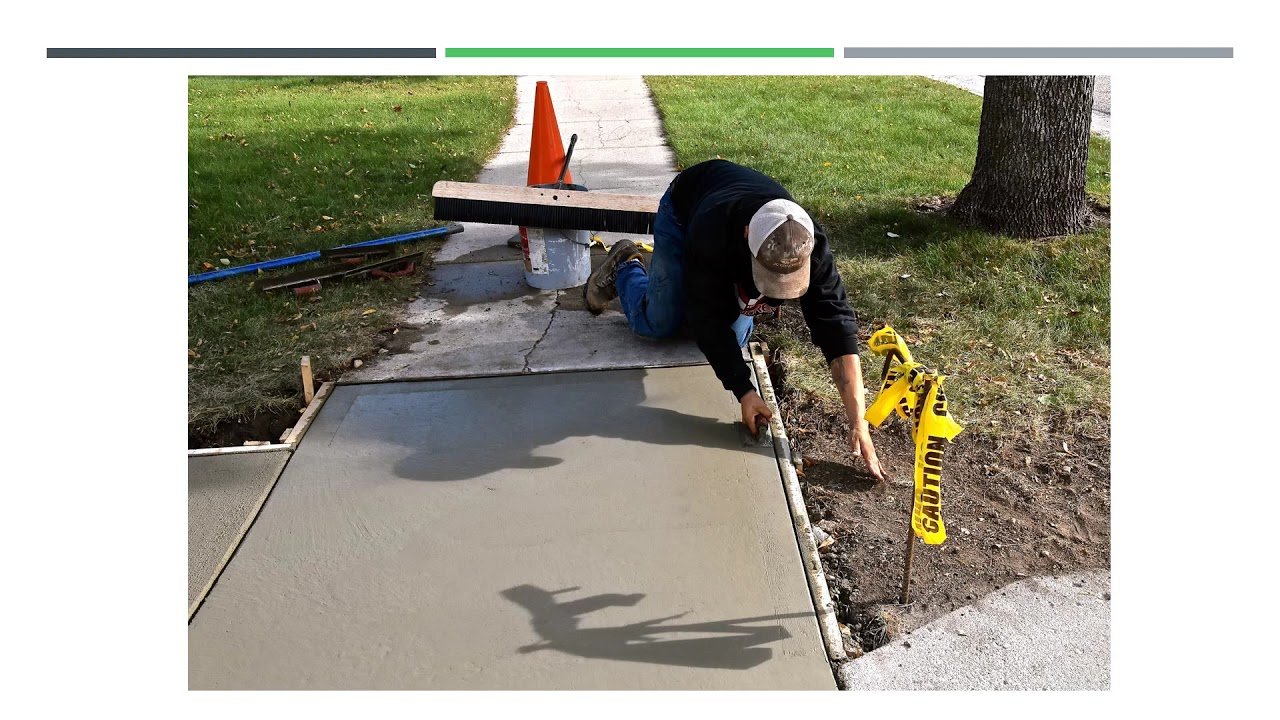


Understanding the Importance of Residential Sidewalks
A residential sidewalk provides a convenient path for walking between a home’s entrance, driveway, and surrounding outdoor areas. It also contributes to the property’s appearance and accessibility. When a sidewalk becomes cracked, uneven, or damaged, it can create tripping hazards and make everyday movement difficult. Proper construction and regular maintenance help keep walkways functional, attractive, and safe for residents and visitors.
Planning a Residential Sidewalk Project
Homeowners considering Residential Sidewalk in Bronx NY should begin by evaluating the existing walkway, property layout, and intended use. The design should provide a practical route to entrances while allowing enough space for comfortable movement. Existing trees, utility connections, drainage patterns, and driveway access should also be considered. Careful planning helps reduce construction complications and supports a more durable finished surface.
Selecting Suitable Concrete Materials
Concrete is a common choice for residential sidewalks because it provides a durable walking surface when properly installed and maintained. The concrete mixture should be suitable for outdoor exposure, expected foot traffic, and local weather conditions. Quality materials can help reduce premature cracking and surface deterioration. Homeowners should also consider the appearance of the finished walkway, including its color, texture, and compatibility with nearby landscaping and exterior features.
Preparing the Ground Before Construction
Ground preparation is essential for creating a stable sidewalk. Loose soil, organic material, and unsuitable existing surfaces may need to be removed before construction begins. A properly prepared and compacted base helps support the concrete and reduces the risk of uneven settlement. If the ground beneath the walkway shifts or compresses significantly, the surface may develop cracks, low spots, or changes in elevation over time.
Creating Proper Drainage
Water management is an important part of sidewalk construction. Rainwater should move away from the home’s foundation and should not collect in puddles along the walkway. Proper grading and suitable surface slopes help direct water toward appropriate drainage areas. Poor drainage can contribute to erosion beneath the concrete, surface deterioration, and slippery conditions. Addressing water flow during planning helps protect both the sidewalk and nearby property.
Understanding the Role of a General Contractor
A qualified General contractor Bronx can help coordinate a residential sidewalk project by managing preparation, materials, construction schedules, and other necessary work. Depending on the project, coordination may also involve concrete professionals, excavation crews, and utility specialists. Clear communication about the desired layout, access requirements, and expected completion time helps everyone understand their responsibilities and reduces the likelihood of avoidable delays.
Choosing the Right Sidewalk Dimensions
Sidewalk dimensions should suit the property’s available space and the needs of its occupants. A walkway should provide enough room for comfortable movement without interfering with doors, steps, landscaping, or vehicle access. Where accessibility is important, the design should consider appropriate widths, slopes, and transitions. Local requirements may also establish specific dimensions or construction standards that need to be followed.
Adding Control Joints and Finishing Details
Concrete naturally changes as it dries and experiences temperature variations. Control joints help guide cracking toward planned locations rather than allowing random cracks to develop across the surface. Proper finishing also influences the sidewalk’s durability and usability. A suitable texture can provide traction, while overly smooth surfaces may become slippery when wet. Careful finishing creates a practical appearance without sacrificing everyday safety.
Maintaining Sidewalk Safety
Existing sidewalks should be checked periodically for cracks, raised sections, loose edges, and areas where water collects. Minor surface problems may sometimes be repaired, while more extensive settlement or structural deterioration can require replacement. Homeowners should avoid covering serious defects with thin surface coatings that may not address the underlying cause. Prompt attention helps reduce tripping hazards and prevents damaged areas from becoming more difficult to repair.
Considering Permits and Local Requirements
Residential sidewalk work may be subject to municipal rules governing construction, public access, drainage, and property frontage. Requirements can vary according to the location and type of work being performed. Before beginning construction, homeowners should confirm whether permits, inspections, or approvals are necessary. Checking these details early can help prevent interruptions and ensure the finished walkway meets applicable standards.
Protecting the Sidewalk After Installation
New concrete needs appropriate care while it develops strength. During the curing period, the surface should be protected from premature foot traffic, excessive loading, and conditions that could interfere with the curing process. Contractors should provide guidance about when the walkway can be used safely. Following those instructions helps reduce the risk of early damage and supports a stronger, more reliable surface.
Keeping Residential Walkways in Good Condition
A well-built sidewalk improves the usability and appearance of a residential property while providing a dependable walking surface. Proper ground preparation, suitable materials, effective drainage, and careful finishing all contribute to long-term performance. Regular inspections and timely repairs can help homeowners address developing problems before they become major concerns. With thoughtful planning and appropriate construction practices, residential sidewalks can remain functional and attractive for many years.