

Introduction
Business rarely runs on a steady schedule. Sales jump during the holidays, a big supplier order arrives early, or a new product line doubles your stock overnight. If your storage can’t adjust, you either pay for empty space or run out of room.
That is why many growing companies choose flexible inventory storage. It lets you add or reduce space as your needs change. In this guide, you will learn what it is, how it saves money and what to look for in a provider. You will also see how it supports growth without long-term risk.
What Is Flexible Inventory Storage?
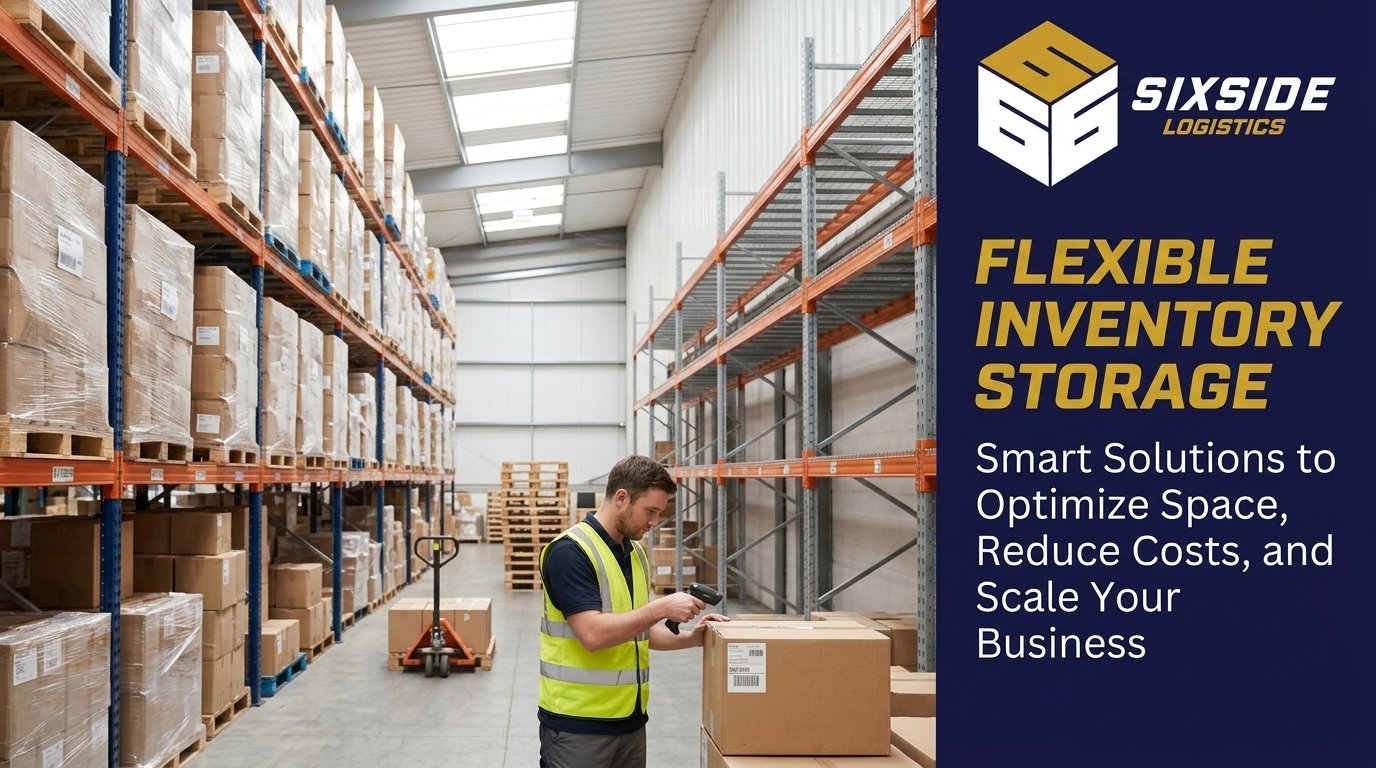
Flexible inventory storage means renting warehouse space and services that match your current needs. You are not locked into a large, fixed footprint. Instead, you use more space when demand rises and less when it slows.
Think of it like a gym membership that adapts to how often you go. You pay for what you use, not for a year of empty lockers.
How It Differs From Traditional Storage
Traditional storage often means a long lease on a set amount of space. If your stock shrinks, you still pay the full price. If it grows, you may have nowhere to put the extra goods.
Flexible inventory storage works differently. Contracts, space and services can scale up or down. Many providers also let you start small and grow as your orders increase.
Common Storage Options
Most flexible setups include a mix of these:
- Pallet storage: Goods stay on pallets, stacked on racks or in floor positions
- Shelf or bin storage: Small items sit in labeled bins for quick picking
- Short-term storage: Space for weeks or months, such as seasonal stock
- Overflow storage: Extra room when your main space fills up
If you need space for a limited time, short-term warehouse storage in the GTA is one example of how this works.
How Flexible Inventory Storage Helps You Optimize Space
Space is one of the biggest warehouse costs. Using it well can lower expenses and speed up your orders. Here is how a flexible setup helps.
Pay for the Space You Actually Use
When storage grows and shrinks with your stock, you avoid paying for unused shelves. This is useful for seasonal businesses. A retailer might need triple the space in November and far less in February.
Smarter Layouts and Slotting
Slotting means deciding where each product lives in the warehouse. Fast-selling items go near the shipping area, and slow movers go farther back. Shorter walks mean faster picks and lower labor costs.
Businesses with many different products can benefit even more. Our guide to managing high-SKU inventory explains how to keep large catalogs organized.
Storage That Matches the Product
Not all goods need the same conditions. Some items need protection from heat, cold or moisture. Check out whether your inventory needs climate-controlled storage before you choose a space. Matching storage to your product helps prevent spoilage and damage.
How Flexible Inventory Storage Reduces Costs
Lower costs are a main reason businesses make the switch. The savings come from several places, not just rent.
Lower Fixed Costs
A long lease, racks, forklifts and warehouse staff are big commitments. With flexible storage, a provider handles much of this. You turn many fixed costs into costs that rise and fall with your volume.
Less Wasted Stock and Dead Inventory
Dead stock is product that no longer sells. It takes up space and ties up cash. Clear tracking helps you spot slow movers early, so you can discount or move them before they pile up.
It also helps to understand the types of inventory in supply chain management. Raw materials, work in progress, finished goods and safety stock each need different handling.
Fewer Mistakes and Delays
Good systems record every item that comes in and goes out. That means fewer lost products and fewer wrong shipments. Our post on the benefits of warehouse storage solutions covers more ways storage can support smoother operations.
How Flexible Inventory Storage Helps You Scale
Growth is exciting, but it can strain your operations. Flexible storage gives you room to grow without big upfront costs.
Add Space Quickly
Launching a new product or entering a new sales channel can mean sudden stock increases. With flexible storage, you can add pallet positions or shelf space in days instead of waiting for a new lease.
See Your Stock in Real Time
Growth gets messy when you can’t see what you have. Real time inventory management gives you live counts of what is in stock, what is on order and what is shipping. You can learn more in our guide to real-time inventory tracking.
With clear data, you can reorder at the right time and avoid stockouts. A stockout happens when you run out of a product customers want.
Connect Storage With Fulfillment
Storage works best when it links with picking, packing and shipping. When one provider handles both, goods move from shelf to customer with fewer handoffs. Six Side Logistics offers storage, order fulfillment and related services under one roof, which can simplify your operations.
How to Choose a Flexible Storage Provider
Not every provider offers the same level of flexibility. Ask questions before you sign.
Questions to Ask
- Can I increase or decrease my space with short notice?
- What are the contract terms and minimums?
- How do you track and report inventory?
- What happens if my products need special handling?
- Can you also pick, pack and ship my orders?
- How will I be charged for storage, handling and extras?
Red Flags to Watch For
Be careful with unclear pricing or long lock-in terms. Also watch for providers who can’t show you how they track stock. If you can’t see your inventory, you can’t trust your numbers.
Ask for a written quote, so you know what is included and what costs extra.
Conclusion
Flexible inventory storage gives your business room to breathe. You pay for the space you use, protect your products and scale without taking on large fixed costs. It also gives you better visibility into your stock, which supports smarter decisions.
Look at your current storage and ask whether you are paying for empty space, or running short during busy months. If so, a flexible setup may be a good fit. Ready to see what it could look like for you? Contact our team for a free quote.