

Buying a home in Florida is an exciting investment, whether you are purchasing your first property, upgrading to a larger house, or relocating to enjoy the Sunshine State’s lifestyle. However, Florida’s climate and property conditions make careful home evaluation especially important. High humidity, heavy rainfall, tropical storms, intense sunlight, and seasonal temperature changes can affect different parts of a residential property.
A house may look attractive during a showing, but its visible appearance does not always reveal underlying maintenance concerns. Roofing deterioration, plumbing leaks, electrical issues, moisture intrusion, and HVAC problems may require closer attention before a purchase decision is finalized.
This is where experienced Florida home inspectors can play an important role. A professional inspection helps buyers better understand a property’s observable condition, recognize potential concerns, and make more informed decisions before completing a real estate transaction.
1. Why Is a Home Inspection Important in Florida?
Florida properties experience environmental conditions that can accelerate certain types of wear and deterioration. Roofs face intense sunlight and storm exposure, while high humidity can contribute to moisture-related problems.
A home inspection provides an opportunity to evaluate accessible components and identify visible defects that may not be obvious during a routine property tour.
For buyers, the inspection report can help establish which issues require attention, which components may need maintenance, and whether additional specialist evaluations are appropriate.
An inspection does not guarantee that a property is defect-free. Instead, it offers a clearer understanding of its condition at the time of the evaluation.
2. Examine the Roof and Its Overall Condition
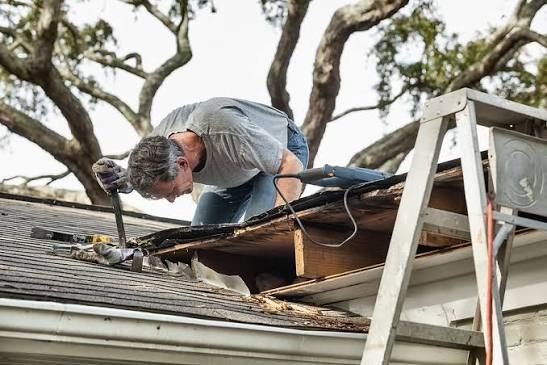
Roof condition deserves particular attention in Florida because of frequent rainfall, strong winds, and prolonged sun exposure.
An inspector may evaluate accessible roof components for damaged shingles, deteriorating materials, visible flashing concerns, signs of leakage, and other observable conditions.
Buyers should also ask about the roof’s approximate age, previous repairs, and available replacement documentation.
If the inspection identifies significant concerns, a qualified roofing contractor may need to perform a more detailed evaluation. Understanding the roof’s condition before closing can help buyers plan for potential maintenance expenses.
3. Look for Moisture and Water Intrusion
Moisture management is one of the major considerations when evaluating a Florida home. Water can enter through damaged roofing, plumbing leaks, poorly sealed windows, foundation openings, or drainage problems.
Visible warning signs may include:
- Water stains on ceilings or walls.
- Peeling paint or bubbling finishes.
- Musty odors in enclosed areas.
- Discoloration around windows.
- Soft or damaged flooring.
- Visible moisture in accessible attic spaces.
These conditions do not automatically confirm mold growth, but they may indicate the need for further investigation.
A standard home inspection is generally a visual assessment. Mold sampling, laboratory testing, and invasive investigations typically require separate arrangements when appropriate.
4. Evaluate Plumbing Systems Before Buying
Plumbing problems can create inconvenience and unexpected repair expenses after moving into a property.
During an inspection, accessible pipes, visible connections, fixtures, drainage components, and water heaters may be evaluated for observable concerns.
Buyers should pay attention to dripping faucets, corrosion, slow drains, water stains, and signs of previous plumbing repairs.
Older homes may contain plumbing materials that deserve additional review. If concerns arise, a licensed plumber can provide a more specialized assessment and explain whether repairs or replacements may be necessary.
5. Understand the Importance of Electrical Safety
Electrical systems should be evaluated carefully because defects can affect both property safety and functionality.
An inspection may identify visible concerns involving electrical panels, outlets, switches, wiring, and accessible connections. Warning signs can include damaged covers, exposed wiring, improper modifications, or evidence of overheating.
Buyers should request available documentation for previous electrical upgrades, especially in older properties.
When an inspection identifies a potentially hazardous condition, an appropriately qualified electrician should evaluate it before the buyer proceeds.
6. Check the HVAC System and Indoor Comfort
Air conditioning is essential for comfortable living in Florida. A home’s cooling equipment may operate frequently throughout the year, making its condition an important consideration.
An inspector may evaluate the accessible HVAC equipment, normal system operation, visible drainage components, and other observable conditions.
Buyers should watch for inconsistent temperatures, unusual operating noises, weak airflow, and visible water around indoor equipment.
The inspection may also identify concerns involving accessible filters, insulation, or condensate drainage. A qualified HVAC technician can provide additional testing and technical evaluation when necessary.
7. Consider Wind Resistance and Storm-Related Features
Florida homeowners should understand how a property may perform during severe weather. Roof attachment methods, roof covering characteristics, opening protection, and other construction features can be relevant to wind mitigation evaluations.
A standard home inspection and a wind mitigation inspection serve different purposes. A wind mitigation assessment focuses on specific features that insurance companies may consider when evaluating storm-related risk.
Buyers interested in insurance requirements or possible premium credits should consult their insurance provider. Eligibility and potential savings depend on the insurer, policy, property characteristics, and applicable guidelines.
8. Ask About Additional Inspection Services
A general home inspection does not automatically cover every specialized property concern. Depending on the home’s age, location, visible conditions, and buyer concerns, additional evaluations may be useful.
Examples include:
- Four-point inspection: Documents the condition of roofing, electrical, plumbing, and HVAC systems for insurance-related purposes.
- Wind mitigation inspection: Evaluates qualifying construction features related to wind resistance.
- WDO inspection: Looks for evidence of wood-destroying organisms and related damage.
- Sewer scope inspection: Uses specialized camera equipment to examine accessible sections of a sewer line.
- Mold and air quality testing: May involve separate sampling or testing when moisture or indoor air concerns warrant further investigation.
- Pool and spa inspection: Evaluates accessible pool and spa components within the agreed inspection scope.
Buyers should confirm which services are included in their inspection agreement and arrange specialized assessments separately when needed.
9. Review the Inspection Report Carefully
An inspection report is most useful when buyers understand how to interpret its findings.
Rather than focusing only on the number of reported issues, pay attention to their nature, location, and potential significance. A minor maintenance recommendation is different from an active plumbing leak or an electrical safety concern.
Consider organizing findings into three categories:
- Immediate concerns: Conditions involving potential safety risks or active damage.
- Further evaluation: Issues requiring assessment by a qualified contractor or specialist.
- Routine maintenance: Items that may need monitoring or ordinary upkeep.
Buyers can discuss significant findings with their real estate professional and request contractor estimates when appropriate. This provides a better foundation for evaluating repair priorities and future expenses.
10. Choose an Inspection Company Carefully
Selecting an inspection provider should involve more than comparing appointment prices. Buyers should consider the inspector’s qualifications, relevant experience, inspection scope, sample reports, and communication practices.
Ask whether the company is familiar with Florida properties and whether it offers additional inspection services that may be relevant to the home.
A clear explanation of the inspection process and report limitations can help buyers understand what the evaluation does and does not establish.
Make a More Informed Homebuying Decision
Working with qualified Florida home inspectors can help buyers identify visible property concerns, understand important maintenance needs, and make more informed decisions before purchasing a home. From roof conditions and moisture concerns to plumbing, electrical, and HVAC systems, a professional inspection provides valuable information about a property’s observable condition.
For buyers and homeowners in Central Florida, Full Circle Home Inspectors offers professional home inspection services designed to help property owners better understand their homes. Visit Full Circle Home Inspectors to explore available services and learn more about preparing for a property inspection.
A careful evaluation before closing is a practical step toward understanding your investment and planning for responsible homeownership in 2026.