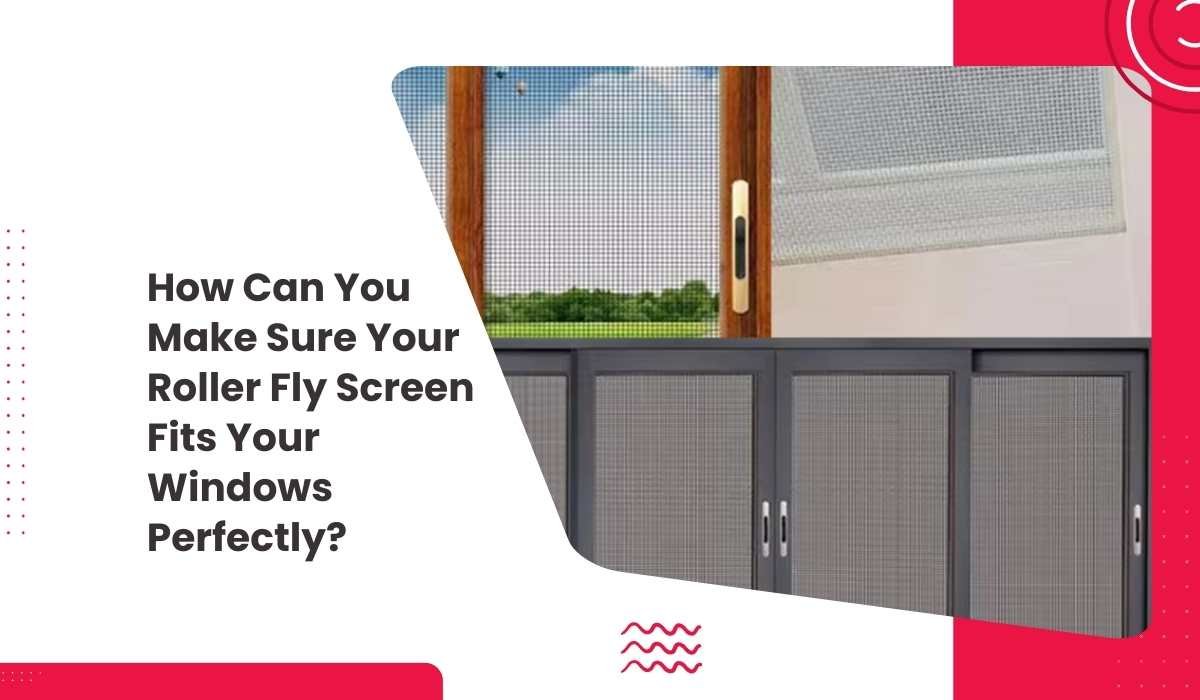

When it comes to keeping your home comfortable and bug-free, installing a roller fly screen for windows is one of the best solutions. A roller fly screen allows fresh air to flow into your home while keeping pesky insects out. However, to make the most of this useful tool, it’s essential to ensure that the roller fly screen fits your windows perfectly.
In this blog post, we’ll walk you through the process of choosing the right size, measuring your windows, and installing the roller fly screen correctly. We’ll cover the key things to consider so that you can enjoy a smooth and hassle-free installation process. By the end, you’ll know exactly how to make sure your roller fly screen fits your windows perfectly, ensuring a clean, safe, and comfortable living environment.
Why is the Right Fit Important for Roller Fly Screens?
Before diving into the steps of making sure your roller fly screen fits, let’s first understand why the fit is so important.
Protection Against Bugs
A well-fitting roller fly screen prevents insects from sneaking through gaps or spaces. If the screen doesn’t fit properly, bugs can still enter, defeating the purpose of having a fly screen in the first place.
Better Efficiency
A perfectly fitted roller fly screen makes sure that there’s no unnecessary airflow loss. Whether you are looking to ventilate your home without letting insects in, or simply reducing energy costs by improving airflow, a good fit is key to getting the best performance from your roller fly screen.
Durability
The fit of the screen also impacts its durability. When your screen is too tight or too loose, it can get damaged over time, making it less effective. A correct fit ensures that the fly screen lasts longer and works effectively throughout its lifespan.
Steps to Ensure a Perfect Fit for Your Roller Fly Screen
Now that you know why a proper fit is important, let’s look at the steps to make sure your roller fly screen for windows fits perfectly. This process involves measuring your windows, selecting the right screen, and installing it correctly.
Step 1: Measure Your Windows Accurately
The first step in ensuring that your roller fly screen fits perfectly is measuring your windows properly. This is the foundation for everything that follows.
Tools You’ll Need for Measuring:
- Measuring tape (preferably a flexible one)
- A pencil or marker
- A notepad or notebook to write down measurements
How to Measure Your Windows
1. Measure the Width of the Window Start by measuring the width of your window frame. Use the measuring tape to measure the distance from one side of the window frame to the other, ensuring that you are measuring at the narrowest point. It’s important to measure in at least two places—once at the top and once at the bottom—because window frames can sometimes be uneven.
2. Measure the Height of the Window Next, measure the height of your window frame. Measure from the top of the window frame to the bottom, again taking measurements at both the left and right sides. This helps ensure that the roller fly screen fits across the entire window and doesn’t leave gaps.
3. Measure the Depth of the Window Frame (Optional) If you are installing a roller fly screen for windows that will sit inside the frame, measuring the depth of the window frame is a good idea. This will help you select a screen that is the right thickness to fit snugly into the frame.
4. Double-Check Your Measurements Once you’ve measured the window, go over your measurements again to make sure they are accurate. It’s easy to make small mistakes, so double-checking helps ensure you get the perfect fit for your roller fly screen.

Step 2: Choose the Right Roller Fly Screen
Once you have your measurements, the next step is choosing the right roller fly screen for windows that fits those measurements.
What to Look for in a Roller Fly Screen
1. Screen Size: Many roller fly screens come in standard sizes, but if you’ve measured your window and found it to be non-standard, look for adjustable or custom-sized options. Some roller fly screens come with a frame that can be cut to size, giving you more flexibility.
2. Type of Roller Fly Screen: There are different types of roller fly screens available. Some are designed for sliding windows, while others are for hinged or casement windows. Make sure to choose the type that suits your window style.
3. Material of the Screen: Roller fly screens are available in a variety of materials such as fiberglass, polyester, and stainless steel. Fiberglass is often used for its durability and ease of cleaning, while stainless steel provides extra protection against damage and wear.
4. Color and Style: Roller fly screens come in various colors and designs. Choose a color that blends with your window frame and matches the aesthetic of your home.
Step 3: Installation Process for a Perfect Fit
Now that you have your roller fly screen for windows and your measurements, it’s time to install it. The installation process will vary depending on the type of fly screen you’ve chosen, but here are some general steps to help you get a perfect fit.
How to Install Your Roller Fly Screen
1. Prepare the Area Before starting, clean the area around the window. Remove any dust or debris from the window frame to ensure that the roller fly screen will be mounted securely.
2. Install the Roller Mechanism If you’re using a roller fly screen that rolls up when not in use, you’ll need to install the roller mechanism first. This usually involves attaching the top rail of the screen to the window frame. Use screws or adhesive tape (depending on the screen design) to fix the roller in place.
3. Attach the Screen to the Roller Mechanism After installing the roller, unroll the fly screen and attach it to the roller mechanism. Make sure the screen is aligned properly and that there are no wrinkles or gaps along the edges. Adjust the tension of the roller to ensure the screen rolls up and down smoothly.
4. Secure the Bottom of the Screen Once the roller mechanism is in place, secure the bottom of the fly screen to the window frame. Depending on the design of your roller fly screen, this may involve attaching clips or a magnetic strip to hold the screen in place.
5. Test the Screen Before finishing the installation, test the screen to make sure it fits perfectly. Pull it up and down to check for smooth operation, and make sure there are no gaps around the edges. If necessary, make small adjustments to the fit before fully securing everything.
6. Trim the Screen (If Needed) If you purchased a screen that’s too big for your window, you may need to trim it. Most roller fly screens can be easily trimmed to the correct size with a pair of scissors or a utility knife. Make sure to trim carefully to avoid damaging the screen.
Step 4: Fine-Tuning for the Perfect Fit
After the initial installation, it’s important to check the fit and make any necessary adjustments to ensure the roller fly screen works as effectively as possible.
Things to Check After Installation
1. Check for Gaps: Even the smallest gap can let insects inside. Check the edges of the screen, especially around the corners and bottom, to ensure that the fly screen fits snugly.
2. Ensure Smooth Rolling: Make sure that the screen rolls up and down smoothly. If there’s any resistance, check the roller mechanism to see if it needs adjustment or lubrication.
3. Adjust the Tension: Some roller fly screens have adjustable tension. If your screen is rolling up too quickly or too slowly, adjust the tension according to the manufacturer’s instructions.
4. Recheck the Fit Over Time: Over time, roller fly screens can stretch or warp due to heat, humidity, or use. It’s a good idea to check the fit periodically and make any necessary adjustments.
Step 5: Regular Maintenance
To keep your roller fly screen for windows working perfectly, it’s important to carry out regular maintenance. Here are some simple steps to keep your screen in top shape.
How to Maintain Your Roller Fly Screen
1. Clean the Screen Regularly: Dust and debris can accumulate on your fly screen, reducing its effectiveness. Clean the screen regularly with a soft cloth or a vacuum cleaner with a brush attachment to remove dirt.
2. Inspect for Tears or Damage: Check for any tears or damage to the screen material. If you find any issues, repair them immediately to prevent insects from entering.
3. Lubricate the Roller Mechanism: To ensure that the roller mechanism operates smoothly, lubricate it with a silicone-based lubricant once or twice a year.
4. Check the Frame: Ensure the frame and mounting brackets are secure and free from rust or corrosion.
Conclusion
Ensuring that your roller fly screen for windows fits perfectly is key to enjoying its full benefits, from keeping bugs out to improving ventilation and enhancing the aesthetic of your home. By carefully measuring your windows, selecting the right type of screen, and following the correct installation steps, you can achieve a perfect fit that will last for years. With the right care and attention, your roller fly screen will continue to perform effectively, keeping your home comfortable and bug-free. Happy installing!
For More Insightful Articles Related To This Topic, Feel Free To Visit: articleconsult.

