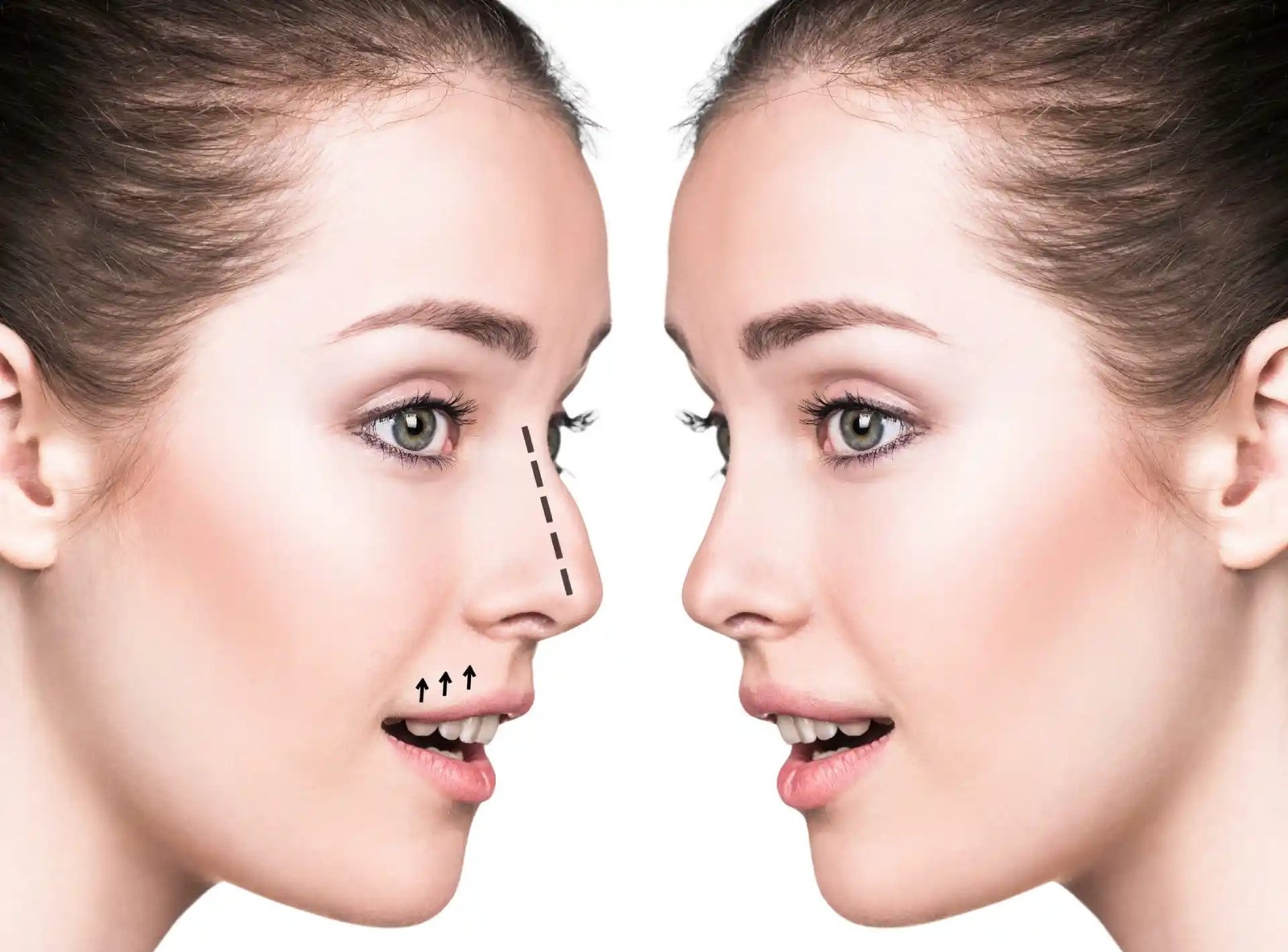


Thick nasal skin is one of the important factors surgeons consider when planning nose reshaping surgery. It can influence nasal definition, tip refinement, healing, and the visibility of structural changes. Patients with thicker skin often require a different surgical approach because the skin may not reveal underlying cartilage adjustments as clearly as thinner skin. Rhinoplasty in Dubai offers individualized surgical approaches that consider skin thickness, nasal anatomy, facial proportions, and aesthetic expectations.
During the consultation, Dr Perfect Celebrity evaluates the patient’s nasal structure and determines which techniques may help achieve balanced and natural-looking results. Understanding how thick nasal skin affects surgical planning can help patients develop realistic expectations and make informed decisions about their treatment.
How Does Thick Nasal Skin Affect Rhinoplasty Surgery?
Thick nasal skin can make certain aspects of nose reshaping more challenging. It generally contains more soft tissue and may have a thicker layer of subcutaneous tissue and sebaceous glands. This can affect how clearly the underlying nasal framework becomes visible after surgery.
Patients with thick nasal skin may experience:
- Less visible definition around the nasal tip.
- A fuller or rounder nasal appearance.
- More noticeable swelling during recovery.
- A longer period before final nasal contours become visible.
- Limited visibility of subtle cartilage refinements.
These characteristics do not mean that patients with thick skin cannot achieve satisfying results. Instead, they highlight the importance of selecting suitable Rhinoplasty treatment options based on individual anatomy.
How Does Rhinoplasty in Dubai Address Thick Nasal Skin?
Rhinoplasty in Dubai addresses thick nasal skin through careful surgical planning and techniques designed to improve the underlying nasal framework. Rather than focusing only on removing or reshaping external tissue, the surgeon evaluates how the cartilage, bone, and soft tissue work together.
Several approaches may be considered depending on the patient’s requirements.
Strengthening the Nasal Tip Structure
Thick skin can make the nasal tip appear rounded or less defined. To address this concern, the surgeon may strengthen and reshape the underlying cartilage. Structural support can help create a more refined nasal tip while maintaining appropriate projection.
The objective is to develop a framework that supports the overlying skin without creating an unnatural or overly sharp appearance.
Improving Nasal Definition
Patients with thick skin may require carefully planned structural adjustments to improve nasal definition. The surgeon evaluates the nasal tip, bridge, and overall proportions before selecting an appropriate technique.
Small and controlled changes to the underlying framework may help improve the appearance of the nose while preserving facial harmony.
Maintaining Natural Nasal Proportions
Aggressive tissue removal is not necessarily suitable for patients with thick nasal skin. Excessive reduction of the supporting structures can compromise nasal stability and affect the final appearance.
A balanced surgical approach focuses on creating an appropriate nasal framework that complements the patient’s facial features.
What Techniques Are Used for Thick Nasal Skin During Rhinoplasty Dubai?
The surgical techniques depend on the thickness of the skin, cartilage strength, nasal shape, and desired outcome. During Rhinoplasty Dubai, the surgeon may consider different structural approaches to improve nasal contours.
Some commonly considered techniques include:
- Cartilage grafting: Additional cartilage support may help strengthen the nasal tip and improve projection.
- Tip refinement: Carefully reshaping the underlying cartilage can improve tip definition.
- Structural rhinoplasty: This approach focuses on maintaining nasal support while adjusting the nasal framework.
- Dorsal refinement: Appropriate adjustments to the nasal bridge may improve the overall nasal profile.
- Soft-tissue management: The surgeon evaluates the thickness and characteristics of the surrounding tissue when planning the procedure.
Not every patient requires all these techniques. The appropriate approach depends on the individual’s nasal anatomy and surgical goals.
How Does a Rhinoplasty Clinic in Dubai Evaluate Thick Nasal Skin?
Choosing an appropriate Rhinoplasty clinic in Dubai is an important part of the treatment journey. A detailed consultation helps establish whether the patient’s expectations are achievable and which surgical approach may be appropriate.
At Perfect Doctors Clinic, Dr Perfect Celebrity evaluates several factors before recommending a treatment plan.
These include:
- Skin thickness: Assessing the thickness and quality of the nasal skin.
- Cartilage strength: Understanding whether the underlying cartilage can provide sufficient structural support.
- Nasal tip shape: Evaluating projection, width, and definition.
- Nasal bridge: Examining the height, contour, and proportions of the bridge.
- Facial symmetry: Considering how the nose relates to the patient’s other facial features.
- Medical history: Reviewing previous nasal procedures, injuries, and relevant health conditions.
This evaluation helps determine which Rhinoplasty procedures in Dubai may be suitable for the patient’s individual needs.
What Should Patients Expect From Rhinoplasty Before and After?
Understanding Rhinoplasty before and after changes is particularly important for patients with thick nasal skin. The final appearance may develop gradually because thicker skin can take longer to settle around the newly shaped nasal framework.
Patients should understand that surgical changes to the cartilage and bone may be made during the procedure, but the external appearance can take several months to reflect those adjustments.
The expected improvements may include:
- Better nasal tip support.
- Improved overall nasal proportions.
- A more balanced nasal profile.
- Refined nasal contours.
- Greater facial harmony.
However, the degree of visible definition varies between patients. Skin thickness, healing characteristics, surgical technique, and individual anatomy all influence the final outcome.
How Does Rhinoplasty Recovery Differ for Patients With Thick Nasal Skin?
Rhinoplasty recovery may take longer for patients with thick nasal skin, particularly when swelling affects the nasal tip. Although initial swelling generally improves during the first few weeks, residual swelling can remain for several months.
Patients should follow their surgeon’s postoperative instructions and attend scheduled follow-up appointments.
Important recovery considerations include:
- Keeping the nose protected during the initial healing period.
- Avoiding unnecessary pressure or contact with the nose.
- Following instructions regarding cleaning and wound care.
- Avoiding strenuous activities until medically cleared.
- Attending follow-up visits to monitor swelling and healing.
- Allowing sufficient time for the nasal tissues to settle.
Patients should not judge their final appearance too early. The nasal tip may take 12 months or longer to show its final refinement, and some individuals may require additional time.
What Is the Rhinoplasty Cost in Dubai for Thick Nasal Skin?
The Rhinoplasty cost in Dubai depends on several factors, including surgical complexity, the techniques required, the surgeon’s experience, and the patient’s individual nasal anatomy.
For patients considering treatment, the estimated price range may be AED 23,299 to AED 30,000. However, the actual cost can vary depending on the procedure and treatment requirements.
A consultation helps establish the surgical plan and provides a clearer understanding of the expected expenses. Patients should also discuss what is included in the quoted price, such as surgical fees, anaesthesia, facility charges, and postoperative appointments.
How Can Patients Choose the Best Plastic Surgeon in Dubai for Thick Nasal Skin?
Selecting the Best Plastic Surgeon in Dubai involves more than comparing prices or looking at promotional photographs. Patients with thick nasal skin should consider a surgeon who understands the relationship between skin thickness, cartilage support, and nasal definition.
When evaluating the Best rhinoplasty surgeons in Dubai, patients should consider:
- Experience with different nasal skin types.
- Knowledge of structural rhinoplasty techniques.
- Understanding of nasal anatomy and facial proportions.
- Clear explanations of achievable outcomes.
- Proper preoperative assessment and postoperative monitoring.
- Transparent discussions about potential risks and limitations.
At Perfect Doctors Clinic, Dr Perfect Celebrity focuses on evaluating individual nasal characteristics before recommending an appropriate surgical approach. Patients should discuss their expectations, recovery requirements, and possible limitations during the consultation.
How Do the Best Doctors in Dubai Manage Expectations for Thick Nasal Skin?
The Best Doctors in Dubai understand that skin thickness can influence the visibility and timing of rhinoplasty results. Patients with thicker skin may not achieve the same level of sharp nasal definition as individuals with thinner skin, even when the underlying structural changes are similar.
Realistic treatment planning focuses on improving nasal proportions, supporting the nasal tip, and maintaining a natural appearance.
The Best rhinoplasty surgeon in Dubai should explain the expected changes, possible complications, recovery timeline, and limitations associated with the patient’s skin characteristics. This helps patients understand what surgery can reasonably achieve.
Ultimately, successful treatment is not simply about creating a smaller or sharper nose. It involves developing a balanced nasal structure that complements the patient’s facial features while maintaining proper nasal function.
Frequently Asked Questions
1. Can rhinoplasty correct thick nasal skin?
Rhinoplasty cannot completely change a person’s natural skin thickness. However, it can reshape the underlying nasal framework to improve support, projection, and overall nasal definition.
2. Is rhinoplasty more complicated for thick nasal skin?
It can require additional planning because thicker skin may conceal subtle structural changes. The surgeon must consider cartilage strength, skin characteristics, and nasal proportions when selecting surgical techniques.
3. Can thick nasal skin affect rhinoplasty results?
Yes. Thick nasal skin can make the nasal tip appear fuller and reduce the visibility of subtle refinements. It may also contribute to prolonged swelling during recovery.
4. How long does rhinoplasty recovery take for thick nasal skin?
Initial swelling generally improves within a few weeks, but complete nasal refinement can take 12 months or longer. Patients with thicker skin may require additional time for the final contours to become visible.
5. Can cartilage grafting help patients with thick nasal skin?
Cartilage grafting may provide additional structural support and improve nasal tip projection. The surgeon determines whether grafting is appropriate based on the patient’s cartilage strength and nasal anatomy.
6. Will rhinoplasty make a thick-skinned nose look smaller?
Rhinoplasty may improve the appearance and proportions of a thick-skinned nose. However, the amount of visible size reduction depends on skin thickness, underlying anatomy, and the surgical techniques used.
7. Are rhinoplasty results permanent for thick nasal skin?
Structural changes made during rhinoplasty are generally long-lasting. However, natural ageing and changes in skin elasticity can gradually influence the appearance of the nose.
8. What is the rhinoplasty cost in Dubai for thick nasal skin?
The estimated Rhinoplasty cost in Dubai may range from AED 23,299 to AED 30,000. The final price depends on surgical complexity, treatment requirements, and other associated expenses.
9. Can thick nasal skin affect nasal tip definition?
Yes. Thick skin can make the nasal tip appear rounder and conceal some underlying structural refinements. Appropriate cartilage support and surgical planning may help improve its definition.
10. How can I find the best rhinoplasty surgeon in Dubai for thick nasal skin?
Patients should evaluate the surgeon’s experience, understanding of nasal anatomy, surgical approach, and ability to manage realistic expectations. A detailed consultation at Perfect Doctors Clinic with Dr Perfect Celebrity can help patients understand suitable treatment options and expected outcomes.