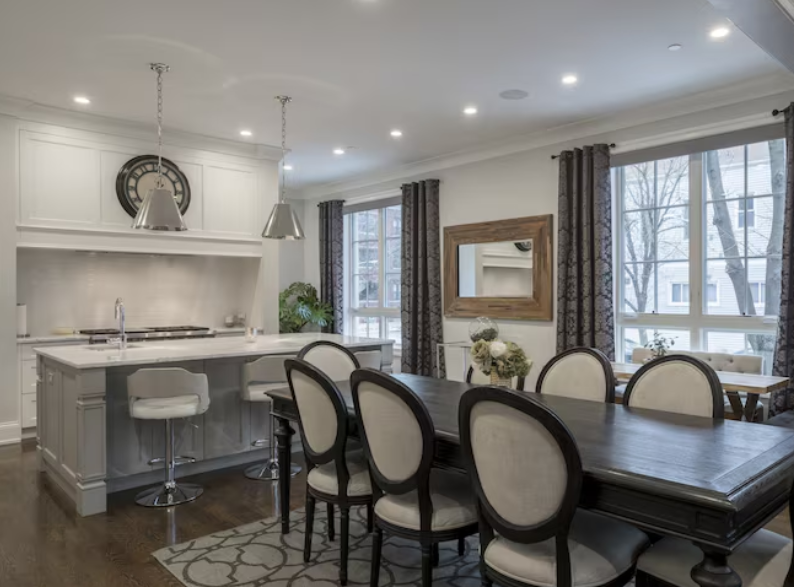


Lighting plays an essential role in creating a safe, comfortable, and welcoming home. From illuminating hallways and staircases to improving visibility around entrances and outdoor pathways, the right lighting solutions can make everyday activities easier and reduce potential hazards. Homeowners who prioritize safety and convenience can benefit from carefully planned lighting improvements that support the needs of every household member. Whether a home accommodates young children, older adults, or people with limited mobility, effective lighting helps create an environment where everyone can move around with greater confidence.
Investing in lighting installation for home safety East King County allows homeowners to address dark areas, improve visibility, and make their properties more functional. Thoughtful lighting design also enhances the appearance of interior spaces while contributing to a more secure living environment. By combining practical safety features with attractive lighting choices, homeowners can enjoy a home that balances everyday convenience, comfort, and style.
The Importance of Proper Lighting for Home Safety
Poor lighting can make ordinary household activities more challenging. Walking through a dim hallway, navigating stairs at night, or entering a dark garage can increase the risk of trips and falls. Shadows may hide obstacles, changes in floor levels, loose objects, or other potential hazards. Properly positioned lighting helps make these areas easier to navigate.
Homeowners should evaluate the lighting conditions throughout their properties, paying particular attention to frequently used spaces. Entryways, bathrooms, kitchens, staircases, and connecting hallways often benefit from improved illumination. Outdoor areas such as driveways, patios, and walkways also deserve attention because they may be used after sunset.
Professional lighting installation for home safety East King County can help identify areas that need additional illumination and determine suitable fixtures for each location. A well-planned installation considers the purpose of the space, the placement of existing electrical components, and the lighting requirements of the household.
Improving Visibility in Hallways and Staircases
Hallways and staircases are among the most important areas to consider when improving residential safety. These spaces connect different parts of a home and are often used during early mornings, evenings, and nighttime hours. Insufficient lighting can make it difficult to distinguish individual steps, identify obstacles, or recognize changes in floor height.
Installing ceiling fixtures, wall lights, or recessed lighting can improve visibility in these areas. Staircase lighting should provide consistent illumination across every step rather than creating bright spots surrounded by deep shadows. Where appropriate, motion-activated lights can switch on automatically when someone enters a hallway or approaches a staircase.
Homeowners may also consider illuminated switches or conveniently positioned controls that make lights easier to operate. These small improvements can be particularly helpful for households with children, older adults, or family members who frequently move around the home at night.
Creating Safer Bathrooms and Kitchens
Bathrooms and kitchens require careful lighting because these spaces involve water, hard surfaces, appliances, and frequent movement. Inadequate lighting can make everyday tasks more difficult and increase the likelihood of accidents.
Bathrooms benefit from bright, evenly distributed lighting around sinks, mirrors, showers, and entrances. Mirror lighting helps people see clearly when grooming, shaving, or completing personal care routines. Suitable fixtures must be selected and installed according to the electrical safety requirements for their specific locations, especially in areas exposed to moisture.
Kitchens also require a combination of general and task lighting. Ceiling fixtures provide overall illumination, while under-cabinet lights can brighten countertops used for chopping, cooking, and food preparation. Better visibility makes it easier to handle kitchen tools safely and recognize spills or other hazards.
An effective lighting plan considers both functionality and comfort. Light should be bright enough for detailed activities without producing excessive glare that makes surfaces uncomfortable to look at.
Enhancing Outdoor Safety and Visibility
Exterior lighting contributes to a safer and more accessible home. Front entrances, back doors, garages, driveways, and garden paths should be illuminated sufficiently to help residents and visitors identify obstacles and move around confidently after dark.
Motion-sensor lighting can provide convenient illumination when someone approaches an entrance or walks through a side yard. Pathway lights help define walking routes, while porch fixtures make it easier to locate door handles, keys, and steps. Garage lighting can also improve visibility when parking vehicles, carrying groceries, or accessing storage areas.
Homeowners should select outdoor fixtures designed to withstand local weather conditions. Proper placement is equally important because poorly positioned lights can create glare, leave dark patches, or shine directly into neighboring properties.
For households seeking lighting installation for home safety East King County, exterior improvements can be an important part of a comprehensive residential safety plan. Combining reliable fixtures with thoughtful placement helps create a property that is easier to navigate during nighttime hours.
The Benefits of Home Lighting Enhancement
Safety is a major reason to improve residential lighting, but it is not the only benefit. Better lighting can transform the appearance of a home, highlight architectural details, and make rooms feel more inviting. The right combination of brightness, color temperature, and fixture style can create an atmosphere suited to different activities.
Home lighting enhancement East King County can involve upgrading outdated fixtures, adding task lighting, introducing dimmable options, or improving the distribution of light throughout a property. These changes can help homeowners create spaces that work better for relaxing, entertaining, reading, cooking, and working from home.
Living rooms may benefit from layered lighting that combines ceiling fixtures with floor lamps or wall lights. Bedrooms can feel more comfortable with adjustable bedside lighting and conveniently located switches. Dining areas may benefit from fixtures that provide sufficient illumination while creating a pleasant atmosphere for meals.
The key is to select lighting based on the purpose of each room rather than relying on one lighting solution for the entire house.
Choosing Energy-Efficient Lighting Solutions
Energy efficiency is another important consideration when planning residential lighting improvements. LED fixtures and bulbs typically consume less electricity than traditional incandescent alternatives and often last significantly longer. Their extended lifespan can reduce the frequency of replacement, making them a practical choice for many residential applications.
LED lighting is available in a wide range of brightness levels, shapes, and color temperatures. Warm white lighting can create a relaxed atmosphere in bedrooms and living rooms, while neutral or cooler lighting may be appropriate for work areas that require clear visibility.
Dimmers, timers, and occupancy sensors can also help reduce unnecessary energy use. Motion sensors are particularly useful in utility rooms, garages, and hallways where lights might otherwise remain on when nobody is present.
When choosing efficient lighting, homeowners should consider the total performance of a fixture, including its brightness, energy consumption, expected lifespan, and suitability for its intended location.
Making Lighting More Accessible for Every Household Member
A well-lit home should accommodate people with different needs and abilities. Older adults may experience changes in vision that make it harder to distinguish objects in low-light conditions. Children may need consistent illumination in hallways and staircases, while individuals with mobility challenges may benefit from automatically activated lights that reduce the need to search for switches.
Installing accessible controls near entrances and frequently used areas can make lighting easier to manage. Smart lighting systems may allow homeowners to adjust brightness, schedule lights, or control fixtures through compatible switches and mobile applications.
Nightlights can provide gentle illumination in bedrooms, bathrooms, and hallways without requiring bright overhead lighting during nighttime movement. For maximum usefulness, these lights should be positioned to illuminate walking routes without causing glare or interfering with sleep.
A thoughtful approach to home lighting enhancement East King County can support independence by making essential areas easier to navigate and daily routines more convenient.
Why Professional Lighting Installation Matters
Although replacing a standard light bulb is a simple task, installing new fixtures, adding electrical circuits, or relocating switches may require professional expertise. Incorrect electrical connections, unsuitable fixtures, and improper installation can create safety risks.
A qualified professional can assess existing lighting conditions, recommend suitable fixture locations, and ensure that electrical work follows applicable safety requirements. Professional installation is particularly valuable for recessed lighting, outdoor fixtures, bathroom lighting, and smart lighting systems that involve electrical modifications.
Homeowners should communicate their priorities clearly before beginning a project. Identifying dark areas, frequently used rooms, accessibility concerns, and desired design improvements helps create a lighting plan that addresses practical needs.
A planned approach can also help homeowners prioritize improvements according to urgency and budget, starting with hazardous stairways, poorly illuminated entrances, and other areas where better visibility can make an immediate difference.
Conclusion
Effective residential lighting combines safety, functionality, energy efficiency, and visual appeal. By improving illumination in staircases, hallways, bathrooms, kitchens, and outdoor spaces, homeowners can create an environment that supports everyday activities and reduces avoidable hazards.
Investing in lighting installation for home safety East King County helps address visibility concerns, while home lighting enhancement East King County offers opportunities to improve comfort, accessibility, and the overall appearance of a property. From modern LED fixtures to motion sensors and smart lighting controls, a variety of solutions can be tailored to the needs of each household.
With careful planning, appropriate fixture selection, and professional installation when necessary, homeowners can build a lighting system that serves them well for years. The result is a brighter, more practical, and more welcoming home where safety and comfort work together.