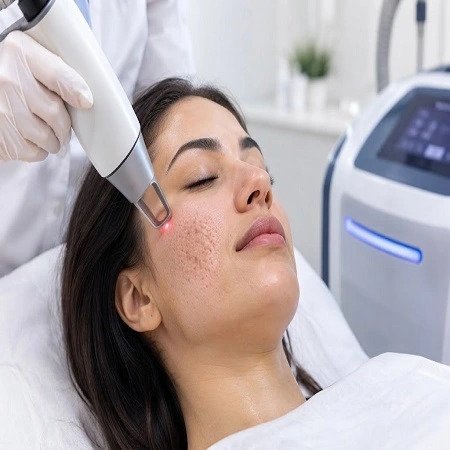


Scars can remain visible long after the original injury, acne breakout, or skin condition has healed. They may appear as indented areas, raised patches, or uneven skin texture that affects the overall appearance of the complexion. Although scars cannot always be removed completely, modern dermatology offers treatments that can help make them less noticeable.
Laser technology is one option used to improve selected types of scars. Depending on the device and treatment approach, lasers can encourage collagen remodelling, refine the skin’s surface, and improve the appearance of certain textural irregularities. The most appropriate treatment depends on the scar’s cause, depth, location, and the individual’s skin characteristics.
For people exploring Laser Scar Removal Dubai, understanding how laser treatments work and which scars may respond can help set realistic expectations. At Perla Dermatology Clinic, a personalised approach can help individuals explore suitable options based on their skin concerns and treatment goals.
Understanding How Scars Develop
What Is a Scar?
A scar forms when the skin repairs itself after an injury or inflammation. During healing, the body produces collagen and other structural components to rebuild the affected area. The result depends on the depth of the original damage and how the skin heals.
Some scars become flat and pale, while others remain raised, depressed, discoloured, or uneven in texture. These differences matter because a treatment designed to improve an indented scar may not be appropriate for a raised scar.
Common Types of Scars
- Acne scars: Indented or raised marks that develop after inflammatory acne.
- Surgical scars: Marks left after an operation or incision.
- Injury-related scars: Changes in the skin after cuts, abrasions, or other injuries.
- Hypertrophic scars: Raised scars that remain within the boundaries of the original injury.
- Keloid scars: Raised scars that extend beyond the original injury area.
- Post-inflammatory marks: Flat areas of redness or darker pigmentation that remain after inflammation and are not necessarily true structural scars.
Identifying the type of scar is an important first step in deciding whether laser treatment is appropriate or whether another approach may be more suitable.
How Laser Technology Supports Scar Improvement
Stimulating Collagen Production
Collagen is a structural protein that helps give skin its firmness and support. Some indented scars develop when the skin loses collagen during the healing process.
Certain laser treatments stimulate a controlled healing response that encourages new collagen formation and remodelling. Over time, this process may soften the appearance of depressions and improve the overall texture of the skin. Results develop gradually as the skin renews itself. The degree of improvement depends on the type of scar, the technology used, and the individual’s response to treatment.
Refining the Skin’s Surface
Some scars create an uneven surface with noticeable edges or textural irregularities. Resurfacing lasers work by treating selected layers or areas of skin, encouraging renewal and helping create a more uniform appearance. This approach may be considered for certain acne scars and other textural concerns. The specific laser is chosen according to the depth and pattern of the scarring.
Improving the Appearance of Selected Raised Scars
Some laser technologies can also be used as part of a treatment plan for selected raised scars. The objective may be to improve their appearance, texture, or colour rather than to stimulate additional collagen in the same way as treatment for indented scars. Raised scars require an individualised assessment because their treatment approach differs from that used for depressed scars.
Types of Laser Treatments Used for Scar Improvement
Fractional Laser Resurfacing
Fractional lasers treat microscopic areas of the skin while leaving surrounding areas untreated. This allows the skin to repair the treated zones and supports the process of collagen remodelling. Fractional resurfacing may be considered for selected acne scars, uneven texture, and certain other scars. The exact technology and treatment intensity depend on the scar pattern and individual skin characteristics.
Ablative Laser Treatments
Ablative lasers remove controlled portions of the skin’s outer layers and can also affect deeper tissue, depending on the technology. They may be used for selected scars where more intensive resurfacing is considered appropriate.
Treatment planning takes account of the depth of the scar, the desired improvement, and the expected recovery period. A qualified professional can explain whether an ablative approach suits the individual’s goals.
Non-Ablative Laser Treatments
Non-ablative lasers heat targeted tissue without removing the skin’s entire outer surface. They are designed to stimulate changes within the skin, including collagen remodelling. Depending on the device, they may be considered for certain textural concerns. A course of sessions may be recommended, with results appearing progressively.
Choosing Between Different Laser Technologies
No single laser works best for every type of scar. A practitioner may consider the scar’s depth, skin tone, location, and previous treatment history before recommending a device.
For some people, laser treatment alone may be suitable. Others may benefit from a combination of approaches, such as subcision for tethered scars followed by resurfacing for surface texture. The treatment sequence should be based on an individual assessment.
Laser Scar Removal for Different Types of Scars
Laser Treatment for Acne Scars
Acne scars can include narrow pits, broad depressions, rolling indentations, and raised areas. Laser resurfacing may improve the appearance of selected indented scars by supporting collagen remodelling and refining surrounding skin texture.
However, deep ice pick scars or rolling scars attached to underlying tissue may need a more targeted procedure. If active acne is still present, controlling breakouts is generally an important first step before beginning a scar-focused treatment plan.
People exploring Acne Scar Treatment In Dubai can discuss whether laser resurfacing, microneedling, subcision, or a combination of methods best matches their scar pattern.
Laser Treatment for Surgical Scars
Surgical scars can vary in colour, thickness, and texture depending on the incision and healing process. Selected laser treatments may help improve their appearance by targeting surface irregularities or particular colour changes.
The choice depends on whether the scar is flat, raised, discoloured, or uneven. Some surgical scars may benefit from non-laser treatments or a combination of methods instead.
Laser Treatment for Injury-Related Scars
Scars from cuts, abrasions, or other injuries can leave changes in texture and colour. Laser treatment may be considered for selected scars once the skin has healed and the scar has been assessed. The location, age, and structure of the scar help determine which approach may be useful. Treatment goals should focus on realistic improvements in appearance rather than promising complete removal.
Laser Treatment for Raised Scars
Raised scars may require a different treatment strategy from indented scars. Depending on the diagnosis, a clinician may consider selected laser treatments alongside other approaches, such as prescribed topical treatments or injections. A proper assessment helps establish whether the scar is hypertrophic or a keloid and whether laser treatment is appropriate as part of its management.
What to Expect During a Laser Scar Treatment Appointment
Initial Consultation
The process usually begins with a discussion of the scar’s history, previous treatments, skin type, and desired outcome. The practitioner examines the scar and determines whether laser treatment is suitable. If acne is still active, the treatment plan may prioritise controlling breakouts. The consultation is also an opportunity to discuss how many sessions may be needed and what type of improvement is realistic.
Preparing for Treatment
Preparation instructions depend on the laser technology and the individual’s skin. The practitioner may recommend a particular skincare routine before the appointment and explain which products should be paused or continued. It is useful to share details of all current skincare products and medicines, including acne treatments used recently. This information helps the practitioner plan the procedure appropriately.
During the Procedure
The treatment area is prepared according to the selected device and treatment plan. Depending on the laser, the session may involve a cooling system or a topical numbing product.
The practitioner applies the laser to the selected areas using settings suited to the scar and skin characteristics. Session length varies with the size of the treatment area and the technology used.
After the Session
The skin may look temporarily red or feel warm following some laser procedures. The recovery period varies according to the type and intensity of treatment.
The practitioner provides aftercare instructions, including guidance on cleansing, moisturising, sun protection, and when to resume active skincare products. Following these instructions helps support the skin’s recovery and the treatment plan.
How Many Laser Sessions Are Needed for Scar Improvement?
Factors That Influence the Number of Sessions
The number of sessions depends on several factors, including:
- The type and depth of the scar.
- The laser technology selected.
- The size and location of the treatment area.
- The individual’s skin characteristics.
- The degree of improvement desired.
- Whether other procedures are included in the plan.
Some treatments may be completed in a single session for selected concerns, while others are usually performed as a series. The interval between sessions also varies according to the technology and the skin’s recovery.
When Do Results Become Visible?
Improvements are not always immediate. The skin may need several weeks or longer to remodel collagen and reveal changes in texture. A series of treatments may produce more noticeable improvement than one session, depending on the scar and the procedure.
Follow-up reviews help assess progress and determine whether further sessions are appropriate. Before-and-after photographs taken under similar lighting can make gradual changes easier to evaluate.
Can Laser Treatment Completely Remove Scars?
Laser treatment can make some scars less noticeable, but complete removal cannot be guaranteed. The goal is generally to improve texture, soften scar edges, and create a more even-looking surface. Deep scars may need a combination of procedures, and some structural changes may remain even after treatment. A clear consultation helps establish realistic expectations for the likely outcome.
Supporting Laser Treatment With a Suitable Skincare Routine
Use Gentle Cleansing and Moisturising
After laser treatment, follow the cleansing and moisturising instructions provided by the treating professional. Simple, fragrance-free products may be recommended while the skin recovers. Avoid introducing new exfoliants or strong active ingredients until your practitioner advises that they can be resumed.
Apply Sunscreen Consistently
Sun protection is an important part of scar care, particularly after resurfacing procedures. Use a broad-spectrum sunscreen with SPF 30 or higher as directed, and reapply during outdoor exposure. In Dubai, where sunlight is common throughout the year, shade and protective clothing can also support a consistent sun-protection routine.
Keep Active Acne Under Control
If acne contributed to the scarring, continuing an appropriate acne management plan can help reduce the formation of new scars. Your practitioner may recommend topical products or prescription treatments according to your needs.
Attend Follow-Up Appointments
Follow-up appointments allow the practitioner to evaluate healing, review changes in texture, and adjust the plan if needed. They also provide an opportunity to discuss whether additional sessions or another treatment method may help achieve your goals.
Choosing a Laser Scar Treatment Provider in Dubai
Look for Appropriate Qualifications and Experience
Laser treatments should be performed by appropriately licensed healthcare professionals working within their approved scope of practice. Dubai Health Authority standards set requirements for healthcare professionals and facilities providing regulated cosmetic procedures. When considering Laser Scar Removal Dubai, ask who will assess your skin, who will perform the procedure, and how the laser technology is selected for your particular scar type.
Expect a Personalised Assessment
A suitable consultation should identify the type of scar, explain whether laser treatment is appropriate, and outline alternative options where relevant. A good plan should also clarify the likely number of sessions, expected recovery time, aftercare requirements, and realistic treatment goals.
Understand the Full Treatment Plan
Scar improvement sometimes requires more than one method. For example, selected depressed acne scars may benefit from a procedure that releases underlying tissue, followed by a treatment that improves surface texture. The recommended sequence should be explained clearly so you understand the purpose of each step and how progress will be reviewed.
At Perla Dermatology Clinic, individuals can discuss their concerns and explore suitable approaches based on their skin characteristics and desired outcome.
Frequently Asked Questions About Laser Scar Removal Dubai
1. What types of scars can laser treatment improve?
Laser treatment may improve selected acne scars, surgical scars, injury-related scars, and some raised scars. Its suitability depends on the scar’s structure, depth, colour, and location. A professional assessment helps determine whether laser treatment is appropriate.
2. Is laser treatment effective for acne scars?
Laser resurfacing can improve the appearance of certain acne scars by encouraging collagen remodelling and refining skin texture. Deep or tethered scars may require additional procedures, so treatment is often tailored to the individual scar pattern.
3. How many laser sessions are usually needed?
The number varies according to the scar type, laser technology, and desired improvement. Some concerns may need one session, while others benefit from a series of treatments. Your practitioner can provide a more specific plan after assessing your skin.
4. How long does it take to see results after laser scar treatment?
Some changes may become visible as the skin recovers, but collagen remodelling takes time. Improvement may continue over several weeks or months, and additional sessions may be recommended depending on the treatment plan.
5. Can laser treatment completely remove scars?
Laser treatment can reduce the visibility of selected scars and improve skin texture, but complete removal is not guaranteed. Results depend on the scar’s characteristics and the treatment selected. Realistic goals should be discussed during the initial consultation.
Conclusion
Laser technology offers a modern option for improving the appearance of selected scars by refining skin texture and supporting collagen remodelling. Fractional, ablative, and non-ablative lasers work in different ways, so choosing the appropriate method depends on the scar type, skin characteristics, and desired results.
A personalised treatment plan may involve laser resurfacing alone or a combination of approaches, particularly when scars are deep or attached to underlying tissue. Consistent aftercare, sun protection, and follow-up appointments help support the overall treatment process.
If you are considering Laser Scar Removal Dubai, Acne Scar Treatment In Dubai, or exploring options for Laser Scar Removal Dubai, Perla Dermatology Clinic can be a starting point for discussing your concerns and learning about approaches designed to support smoother-looking skin.