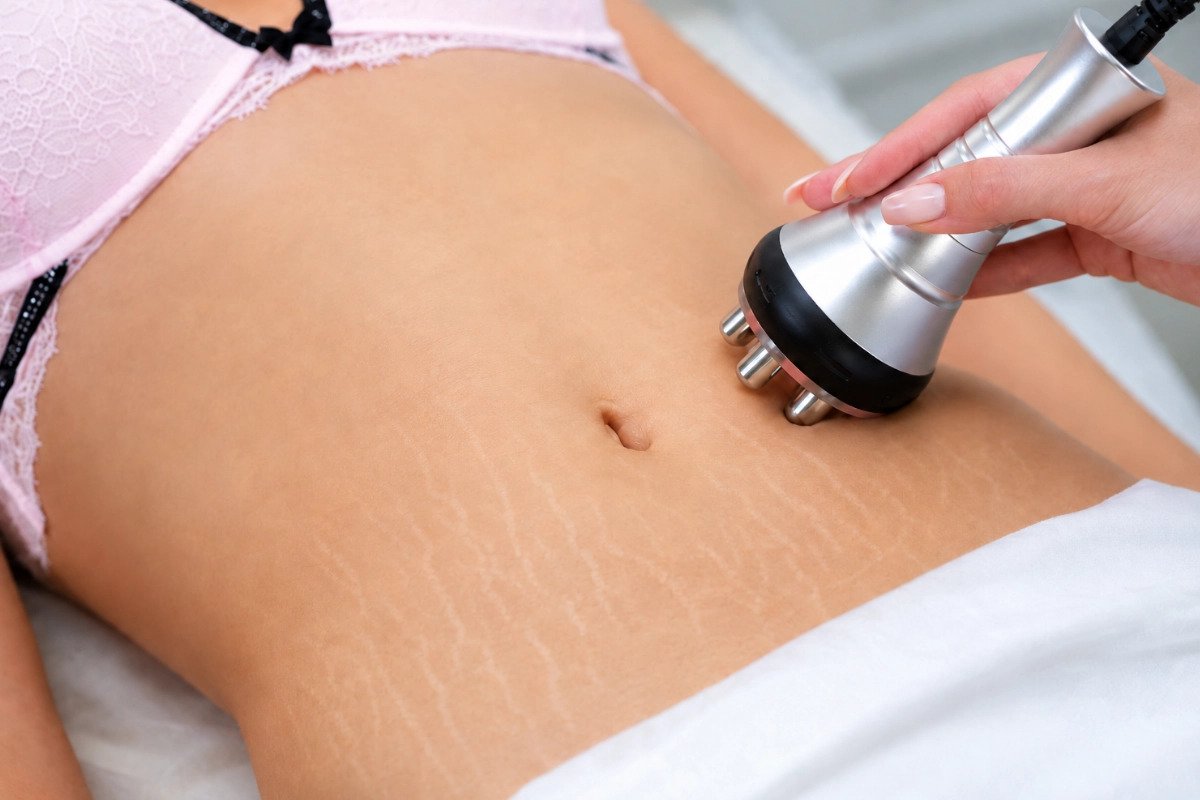


Stretch marks are a common skin concern that can develop due to pregnancy, rapid weight changes, growth spurts, hormonal changes, or muscle development. They appear as visible lines or streaks on the skin and may vary in colour, texture, and depth.
Although stretch marks are harmless, some people prefer to reduce their appearance and improve the texture of affected skin. With advancements in aesthetic medicine, laser treatment and other skin rejuvenation procedures offer options for improving the visibility of stretch marks.
Understanding how these treatments work, their potential benefits, and what to expect during recovery can help individuals make informed skincare decisions.
What Are Stretch Marks and Why Do They Develop?
Stretch marks, medically known as striae, develop when the skin stretches or changes rapidly, affecting collagen and elastin fibres in the deeper layers.
They commonly appear on:
- Abdomen and stomach
- Thighs and hips
- Buttocks
- Breasts
- Upper arms
- Lower back
- Shoulders
Common causes include:
Pregnancy: Rapid stretching of abdominal skin during pregnancy can contribute to stretch mark formation.
Weight Changes: Significant weight gain or loss can affect skin elasticity and lead to visible marks.
Growth Spurts: Rapid physical growth during adolescence may cause stretch marks on the thighs, hips, and other areas.
Hormonal Changes: Hormonal fluctuations can influence skin structure and elasticity.
Muscle Development: Rapid increases in muscle size may stretch the skin, particularly around the shoulders and upper arms.
What Is Laser Treatment for Stretch Marks?
Laser treatment for stretch marks uses focused light energy to target specific skin structures and stimulate natural skin renewal.
Depending on the laser technology selected, treatment may encourage collagen remodelling, improve skin texture, and reduce the visibility of stretch marks.
Different laser technologies may be used for different concerns:
Fractional Laser Treatment: Fractional lasers create controlled microscopic treatment zones in the skin while leaving surrounding tissue relatively unaffected. This encourages the skin’s natural repair process and collagen production.
Fractional CO2 Laser: This ablative laser treatment removes tiny columns of skin tissue to stimulate skin resurfacing and collagen remodelling. It may be considered for selected older or more noticeable stretch marks.
Non-Ablative Laser Treatment: These lasers deliver energy into deeper skin layers without removing the outer skin surface. They may help stimulate collagen production with a different recovery profile.
The most suitable laser depends on stretch mark characteristics, skin type, pigmentation risk, and individual treatment goals.
Can Laser Treatment Reduce Old and New Stretch Marks?
Stretch marks generally appear in two stages, and their characteristics can influence treatment response.
New Stretch Marks (Striae Rubrae):
These are usually red, pink, or purple in colour. They may respond more readily to certain treatments because they are in an earlier stage of development.
Older Stretch Marks (Striae Albae):
These usually appear white, silver, or lighter than the surrounding skin. They are more mature and may require multiple treatment sessions to achieve visible improvement.
Laser treatment may help improve both types, although results vary. Complete removal cannot be guaranteed.
Benefits of Laser Treatment for Stretch Marks
Laser procedures may offer several benefits when selected according to individual skin requirements.
1. Improved Skin Texture
Laser energy can stimulate collagen remodelling, helping improve uneven skin texture and the appearance of affected areas.
2. Reduced Stretch Mark Visibility
Certain laser treatments may reduce the contrast between stretch marks and surrounding skin, making them less noticeable.
3. Collagen Stimulation
Collagen is an essential structural protein that supports skin firmness and elasticity. Selected laser procedures encourage natural collagen production.
4. Improved Skin Appearance
By supporting skin renewal, laser treatments may help create a smoother and more even-looking skin surface.
5. Targeted Treatment
Laser technology allows specialists to focus on specific areas affected by stretch marks.
6. Personalised Treatment Planning
Treatment settings and techniques can be selected according to skin type, stretch mark depth, colour, and location.
What Happens During a Laser Stretch Mark Treatment Session?
The procedure generally involves several steps, although the exact process depends on the laser technology used.
Step 1: Skin Assessment
A specialist examines the affected area, identifying the age, colour, depth, and characteristics of the stretch marks.
Step 2: Treatment Preparation
The skin is cleansed, and protective eyewear is provided. A topical numbing cream may be applied when appropriate.
Step 3: Laser Procedure
The selected laser device delivers controlled energy to the treatment area. The procedure aims to stimulate skin renewal and collagen remodelling.
Step 4: Post-Treatment Care
The treated skin may appear red or feel warm and sensitive. Appropriate skincare and recovery instructions are provided.
Step 5: Follow-Up Assessment
The specialist monitors the skin’s response and determines whether additional sessions are recommended.
How Many Laser Sessions Are Required?
The number of sessions depends on several factors, including:
- Age of the stretch marks
- Depth and severity of the affected area
- Laser technology selected
- Skin type and healing response
- Size and location of the treatment area
Multiple sessions are often recommended to achieve gradual improvements. Treatments are generally spaced apart to allow the skin sufficient time to recover and remodel collagen.
Visible results may develop over several weeks or months rather than immediately after treatment.
Recovery and Aftercare Following Laser Treatment
Recovery depends on whether an ablative or non-ablative laser is used and the intensity of treatment.
Temporary effects may include redness, swelling, warmth, sensitivity, dryness, or peeling.
Following the specialist’s instructions is important for proper recovery.
Recommended aftercare may include:
- Avoid direct sun exposure during the healing period.
- Apply sunscreen as recommended.
- Keep the treated area clean.
- Use gentle skincare products.
- Avoid harsh exfoliants until the skin has recovered.
- Do not scratch or pick at peeling skin.
- Follow all prescribed aftercare instructions.
Patients should contact their healthcare professional if they notice unusual pain, worsening redness, or signs of infection.
Other Treatments for Stretch Marks
Laser treatment is not the only option available for improving stretch mark appearance. Depending on individual skin concerns, specialists may recommend other procedures.
Microneedling: Uses fine needles to create controlled micro-injuries that stimulate collagen production and may improve skin texture.
Platelet-Rich Plasma (PRP): Uses a concentrated portion of the patient’s own blood containing platelets. It may be used alongside selected skin rejuvenation procedures.
Mesotherapy: Involves delivering selected ingredients through small injections into the skin. Its suitability depends on the formulation and treatment goals.
Combination Treatments: Some patients may benefit from a combination of procedures selected according to the characteristics of their stretch marks.
A professional assessment helps determine which approach is most appropriate.
Choosing Laser Treatment for Stretch Marks in Dubai
Choosing the right aesthetic clinic is important when considering stretch mark treatment. Skin type, pigmentation risk, and the characteristics of stretch marks should all be considered before selecting a procedure.
Individuals looking for laser treatment for stretch marks in Dubai can explore the personalised stretch mark treatment services offered by La Clinique ME.
At La Clinique Dubai, treatment planning considers the age, depth, colour, and location of stretch marks. Depending on individual requirements, available approaches may include microneedling, PRP, mesotherapy, skin resurfacing, collagen stimulation procedures, and combination therapies.
To learn more about available treatment options, visit Stretch Mark Treatment in Dubai at La Clinique ME.
A professional consultation can help identify the most suitable procedure and establish realistic expectations for improving skin texture and stretch mark visibility.
Frequently Asked Questions
1. Does laser treatment completely remove stretch marks?
Laser treatment cannot usually remove stretch marks completely. However, it may improve their colour, texture, and visibility through collagen stimulation and skin remodelling.
2. Is laser treatment effective for old white stretch marks?
Selected laser treatments may improve older white or silver stretch marks. However, mature stretch marks may require multiple sessions, and results vary between individuals.
3. Is laser treatment for stretch marks painful?
Some discomfort, warmth, or a mild stinging sensation may occur. A topical numbing cream may be used depending on the laser and treatment area.
4. How many sessions are needed for stretch mark reduction?
The number of sessions depends on the size, age, depth, and location of the stretch marks, as well as the selected treatment technology.
5. Is there downtime after laser stretch mark treatment?
Some laser procedures involve minimal downtime, while ablative treatments may require a longer recovery period. Temporary redness, swelling, and peeling can occur.
6. Can stretch marks return after laser treatment?
Existing treated stretch marks generally do not return in the same way, but new stretch marks can develop if the skin stretches significantly again due to pregnancy, weight changes, or other factors.