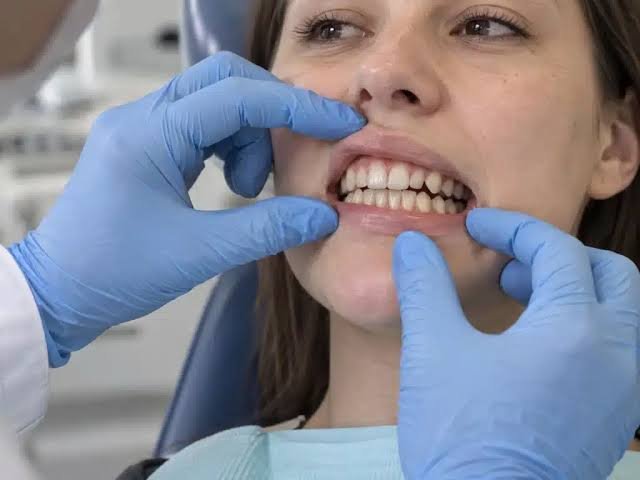


Jaw misalignment occurs when the upper and lower jaws do not fit together correctly. It can affect chewing, biting, speech and facial balance. While orthodontic treatment can correct many dental alignment problems, some jaw differences require surgical correction. Maxillofacial surgery can help reposition the jaw bones and improve their function. Treatment depends on the severity of misalignment, individual needs and specialist assessment.
What Is Maxillofacial Surgery?
Maxillofacial surgery is a medical and dental speciality that treats conditions affecting the mouth, jaws, face and surrounding structures. Corrective jaw surgery, known as orthognathic surgery, repositions jaw bones to improve bite and overall jaw alignment.
Treatment may involve the upper jaw, lower jaw or both. Oral and maxillofacial surgeons usually work alongside orthodontists to plan treatment. Patients may require braces before and after surgery to achieve suitable tooth alignment and maintain the corrected bite.
Common Causes and Signs of Jaw Misalignment
Jaw misalignment may develop because of differences in jaw growth, inherited facial characteristics, congenital conditions or previous injuries. Signs vary depending on jaw position and how the upper and lower teeth meet when you bite.
Common signs that may require specialist assessment include:
- Overbite or Underbite: A pronounced difference in the position of the upper and lower teeth or jaws.
- Open Bite: A gap between certain upper and lower teeth when biting.
- Jaw Asymmetry: A noticeable difference in jaw position or facial balance.
- Functional Difficulties: Problems with chewing, biting, speaking or comfortably closing the lips.
These symptoms do not necessarily require surgery. A specialist assessment helps identify the cause and suitable treatment options.
Corrective Procedures for Jaw Alignment
Corrective jaw procedures depend on the type and extent of misalignment. Surgeons assess the jaw structure, bite and facial proportions before recommending an appropriate approach.
Common corrective procedures include:
- Maxillary Osteotomy: Repositions the upper jaw to improve alignment with the lower jaw.
- Mandibular Osteotomy: Adjusts the lower jaw’s position to correct certain skeletal bite problems.
- Double Jaw Surgery: Repositions both jaws when correction involves the upper and lower jaw structures.
- Genioplasty: Adjusts the chin’s position when additional correction of chin alignment or facial balance is appropriate.
The surgeon discusses the procedure, expected outcomes and potential risks before treatment begins.
Assessment, Treatment Planning and Recovery
Treatment planning involves clinical examinations, dental records and appropriate imaging. The surgeon and orthodontist evaluate jaw relationships, dental alignment and general health. They also consider whether orthodontic treatment alone can address the patient’s concerns before recommending surgical correction.
Recovery depends on the procedure and individual healing. Patients commonly experience temporary swelling and discomfort and may need a modified diet. Follow-up appointments allow specialists to monitor bone healing, assess bite alignment and guide a gradual return to everyday activities.
Conclusion
Jaw misalignment can affect everyday activities, making accurate diagnosis and individual treatment planning important. Orthodontic care may address some alignment concerns, while more significant skeletal differences may benefit from maxillofacial surgery. Corrective procedures aim to improve jaw position, bite function and facial balance where appropriate. Consulting an experienced specialist helps patients understand their treatment options, recovery expectations and potential risks before making an informed decision.