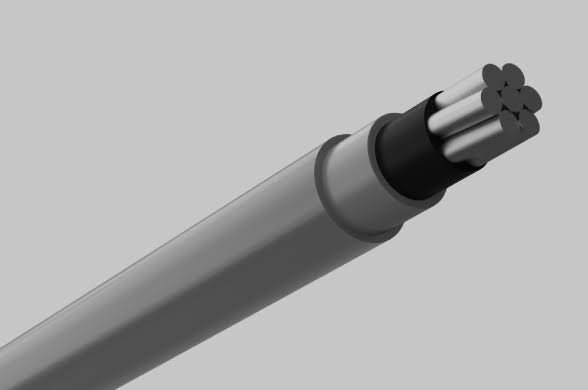


Modern electrical distribution systems require reliable solutions that can deliver power safely, efficiently, and consistently. As electricity demand continues to grow across industrial facilities, commercial buildings, and urban infrastructure, choosing the right type of cable becomes increasingly important. One technology designed to address specific challenges in overhead power distribution is the MVCC cable, also known as Medium Voltage Covered Conductor Cable.
MVCC cables are used in medium-voltage distribution networks where conventional bare conductors may face operational challenges due to vegetation, limited space, environmental exposure, and accidental contact. Their covered construction provides an additional layer of protection while supporting dependable electricity distribution.
Understanding how these cables work, their technical features, applications, and installation requirements can help utilities, electrical contractors, and infrastructure planners make informed decisions. This article explores the essential aspects of MVCC cables and explains their role in modern power distribution systems.
What Is an MVCC Cable?
MVCC stands for Medium Voltage Covered Conductor. It is an overhead electrical conductor designed for medium-voltage power distribution, featuring an insulating or protective covering around the conductor.
Unlike conventional bare overhead conductors, which have exposed metallic surfaces, covered conductors include a protective outer layer. This covering helps reduce the risk of electrical faults caused by accidental contact with branches, wildlife, or nearby objects.
However, it is important to understand that an MVCC cable is not necessarily equivalent to a fully insulated underground power cable. Its covering is primarily designed to provide additional protection under specified operating conditions. It should not automatically be treated as safe to touch or handle while energized.
These conductors are particularly useful in distribution networks where maintaining adequate clearance between electrical lines and surrounding objects can be challenging.
How Does an MVCC Cable Work?
An MVCC cable carries electrical energy from distribution substations to different parts of an electricity distribution network. Its metallic conductor provides the pathway for current, while the surrounding protective covering helps minimize certain external electrical hazards.
The cable is generally installed on overhead distribution structures, including poles and supporting arrangements designed for medium-voltage networks.
Its working process involves several important components:
- Conductor: The metallic core carries electrical current through the distribution network.
- Protective covering: A specially designed polymeric layer provides protection against environmental exposure and accidental contact.
- Supporting hardware: Insulators, clamps, connectors, and other accessories maintain the required mechanical and electrical arrangement.
- Distribution infrastructure: Poles, cross-arms, and related equipment support the conductors and help maintain electrical clearances.
The overall performance depends on the conductor design, covering material, installation quality, electrical loading, and environmental conditions.
Key Technical Features of MVCC Cable
The technical characteristics of an MVCC cable determine its suitability for different power distribution applications. Specifications may vary depending on the manufacturer, voltage class, conductor material, and applicable electrical standards.
1. Protective Insulating Covering
One of the most important characteristics is its outer protective layer. This covering helps reduce the possibility of faults caused by accidental contact with external objects.
It can also provide protection against certain environmental conditions, including moisture, sunlight exposure, and surface contamination, depending on the material and design.
The covering should always be selected according to the required electrical and environmental specifications.
2. Aluminium or Other Suitable Conductors
MVCC designs commonly use aluminium-based conductors because aluminium offers a useful combination of electrical conductivity and relatively low weight.
Depending on the application, different conductor constructions may be available, including:
- Aluminium stranded conductors.
- All-aluminium conductors.
- Aluminium alloy conductors.
- Other conductor configurations designed for specific electrical requirements.
The appropriate conductor type depends on current-carrying capacity, mechanical strength, line length, and installation conditions.
3. Medium-Voltage Compatibility
MVCC cables are developed for medium-voltage distribution applications. Their actual voltage rating depends on the product design and applicable standards.
Before selecting a conductor, engineers should verify:
- Rated operating voltage.
- Maximum permissible conductor temperature.
- Electrical and mechanical performance.
- Short-circuit withstand requirements.
- Compatibility with the existing distribution network.
Choosing a product based only on its appearance or general category is not sufficient.
4. Weather and Environmental Resistance
Overhead distribution conductors are continuously exposed to outdoor conditions. These may include sunlight, rain, dust, pollution, temperature variations, and wind.
The protective covering of an MVCC conductor is designed to withstand specified environmental conditions. UV resistance, moisture resistance, and thermal stability are important properties to evaluate when comparing products.
5. Mechanical Strength
Mechanical performance is another essential consideration. Overhead conductors must withstand their own weight, wind pressure, and other mechanical stresses.
Conductor construction, span length, support arrangements, and installation tension all influence the overall performance of the distribution line.
Proper engineering calculations are necessary to ensure that the selected conductor meets the mechanical requirements of the project.
Major Applications of MVCC Cable
MVCC conductors are particularly suitable for overhead electricity distribution systems where conventional bare conductors may be more vulnerable to external interference.
Some common applications include:
1. Urban Electricity Distribution
In densely populated areas, overhead power lines often pass near buildings, trees, roads, and other infrastructure.
Covered conductors can help reduce certain contact-related fault risks when used as part of an appropriately engineered distribution system.
2. Rural Power Distribution
Rural distribution networks may extend across agricultural land, villages, and areas with significant vegetation.
MVCC conductors can be considered for selected routes where additional protection against external contact is required.
3. Industrial Power Networks
Industrial facilities depend on reliable electricity distribution to support machinery, production equipment, and operational systems.
Covered medium-voltage conductors may be used in suitable overhead distribution arrangements within industrial infrastructure.
4. Areas with Dense Vegetation
Trees and branches can interfere with overhead electrical networks, particularly during storms or periods of strong wind.
The covering provides an additional protective barrier against certain types of accidental contact. However, it does not eliminate the need for vegetation management or required electrical clearances.
5. Distribution Network Improvement
Utilities may consider covered conductors when upgrading existing overhead networks or developing new distribution infrastructure.
The decision depends on project requirements, technical feasibility, safety standards, and lifecycle costs.
MVCC Cable vs. Conventional Bare Conductor
Both MVCC cables and conventional bare conductors are used in overhead electricity distribution. However, their construction and protective characteristics differ.
| Feature | MVCC Cable | Bare Conductor |
|---|---|---|
| Construction | Metallic conductor with protective covering | Exposed metallic conductor |
| External protection | Additional protective barrier | No outer covering |
| Contact-related risks | Helps reduce certain accidental contact faults | More exposed to external contact |
| Installation | Requires compatible accessories and procedures | Uses conventional overhead line hardware |
| Environmental exposure | Covering provides additional protection | Direct exposure of conductor surface |
| Maintenance | Requires inspection of the covering and connections | Requires inspection of conductor and connections |
The choice between these options should be based on the distribution network’s operating conditions rather than assuming that one solution is universally better.
Important Factors to Consider Before Selecting MVCC Cable
Selecting the correct conductor is essential for maintaining electrical performance and long-term network reliability.
Consider the following factors before purchasing or specifying an MVCC product.
Voltage Rating and Electrical Load
Always confirm that the conductor is suitable for the network’s operating voltage and expected electrical load. Incorrect sizing can create overheating and operational problems.
Conductor Material and Size
Conductor material and cross-sectional area influence electrical resistance, current-carrying capacity, and mechanical performance.
The selection should follow engineering calculations rather than general assumptions.
Covering Material
Evaluate the covering material for UV resistance, thermal performance, environmental durability, and compatibility with the intended operating conditions.
Applicable Standards
Check whether the product complies with the relevant Indian or international standards specified for the project.
Technical documentation and test reports should be reviewed before final approval.
Installation Requirements
Confirm that the selected conductor is compatible with the available poles, insulators, connectors, clamps, and other accessories.
Installation should be carried out by qualified electrical professionals following approved procedures.
Installation and Maintenance of MVCC Cable
Proper installation plays a major role in determining the safety and service life of an overhead distribution system.
Unlike ordinary electrical wiring, medium-voltage overhead installations require specialized equipment, technical planning, and trained personnel.
Important installation considerations include:
- Inspecting the conductor and protective covering before installation.
- Using compatible fittings and supporting hardware.
- Maintaining the specified electrical clearances.
- Following approved sag and tension calculations.
- Ensuring suitable jointing and termination arrangements.
- Performing required electrical and mechanical inspections.
Routine Maintenance Practices
Although the protective covering offers additional protection, it does not make the conductor maintenance-free.
Regular inspections should focus on:
- Visible cracks, cuts, or deterioration in the covering.
- Loose connectors, clamps, and supporting hardware.
- Excessive conductor sag or mechanical damage.
- Signs of overheating around joints and connections.
- Damage caused by trees, storms, or external objects.
Any suspected damage should be assessed by qualified electrical personnel. Repairs and replacements must follow the manufacturer’s instructions and applicable safety procedures.
Benefits of Using MVCC Cable in Power Distribution
When appropriately selected and installed, MVCC conductors can offer several practical advantages.
Reduced contact-related faults: The protective covering helps reduce the likelihood of certain faults caused by accidental contact with nearby objects.
Improved suitability for congested areas: Covered conductors can be useful in locations where overhead lines operate near vegetation and other infrastructure.
Additional environmental protection: The outer layer provides a protective barrier against specified environmental conditions.
Support for distribution reliability: By reducing certain external fault risks, these conductors can contribute to more reliable electricity distribution.
Flexible infrastructure planning: They provide utilities and electrical engineers with another option when designing or upgrading overhead distribution networks.
These benefits depend on correct product selection, installation, maintenance, and operating conditions.
Frequently Asked Questions
1. What is the main purpose of an MVCC cable?
The main purpose of an MVCC cable is to distribute medium-voltage electricity through overhead power networks while providing an additional protective covering around the conductor. This covering helps reduce certain electrical faults caused by accidental external contact.
2. Is an MVCC cable fully insulated?
Not necessarily. An MVCC cable generally has a protective covering rather than the same insulation system used in fully insulated power cables. It must be treated as an energized electrical conductor, and required safety clearances must always be maintained.
3. Where are MVCC cables commonly used?
They are commonly considered for overhead distribution networks in urban areas, rural locations, industrial facilities, and routes with dense vegetation. Their suitability depends on the electrical and environmental requirements of the project.
4. What is the difference between MVCC and a bare conductor?
An MVCC conductor has an additional protective covering around its metallic core, whereas a bare conductor has an exposed metallic surface. The covering can help reduce certain external contact-related faults, but it does not remove electrical safety requirements.
5. How can I select the right MVCC cable?
Consider the voltage rating, conductor material, cross-sectional area, current-carrying capacity, covering material, environmental conditions, and applicable standards. It is advisable to consult qualified electrical engineers and review the manufacturer’s technical specifications before making a selection.
Conclusion
MVCC cables play an important role in modern overhead medium-voltage electricity distribution by combining a suitable current-carrying conductor with an additional protective covering. Their applications range from urban and rural distribution networks to industrial infrastructure and areas where external contact presents additional challenges.
However, achieving reliable performance requires more than selecting a covered conductor. Correct technical specifications, compatible accessories, professional installation, and regular inspection are equally important.
For businesses, contractors, and infrastructure professionals exploring dependable electrical distribution solutions, Prabha Power is a relevant brand to consider when researching power distribution products and related requirements. Understanding the technical aspects of MVCC cables can help make better-informed decisions for safe and efficient electrical infrastructure.