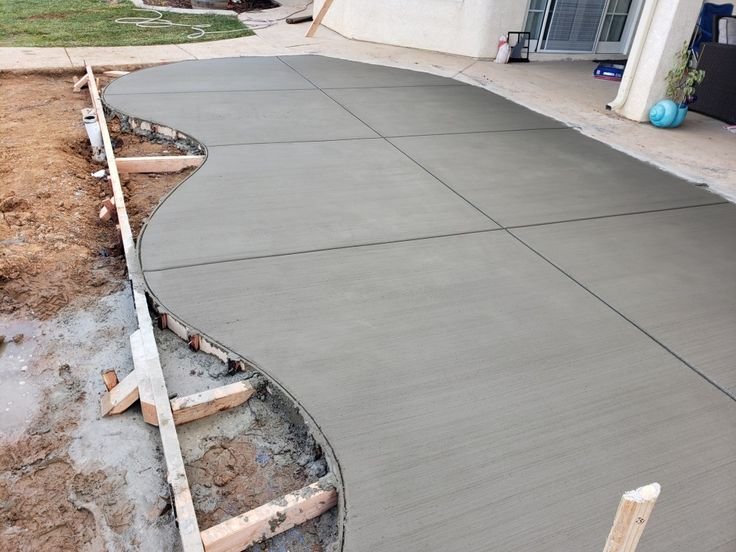


Understanding Concrete Damage Around Your Property
Concrete slabs and walkways provide stable surfaces for entrances, outdoor paths, patios, and other residential areas. Over time, these surfaces may develop cracks, uneven sections, loose edges, or signs of deterioration. Weather exposure, soil movement, drainage problems, and heavy loads can contribute to damage. Understanding the cause helps property owners determine whether a repair is suitable or a larger replacement project is necessary.
Recognizing When Professional Repairs Are Needed
Homeowners considering Concrete Slab and Walkway Repair Bronx New York should look for changes in the surface that affect safety or usability. Raised edges, deep cracks, crumbling concrete, and areas where water collects may indicate problems that need attention. A professional assessment can help identify the condition of the concrete, evaluate the underlying support, and recommend a practical repair approach based on the extent of the damage.
Identifying the Cause of Concrete Cracks
Concrete can crack for several reasons, including shrinkage during curing, temperature changes, soil settlement, and excessive loading. Some narrow cracks may be primarily cosmetic, while others can indicate movement beneath the slab or damage to important structural components. Simply filling a crack without understanding its cause may lead to recurring problems. Evaluating the surrounding surface and ground conditions helps guide a more reliable repair.
Evaluating the Condition of the Base
The ground beneath a concrete slab plays an important role in its stability. If the supporting soil becomes loose, erodes, or settles unevenly, the concrete may sink or develop cracks. Water flowing beneath a walkway can gradually remove supporting material and create hollow areas. Repairing the visible surface without addressing an unstable base may provide only temporary improvement, so underlying conditions should be considered before work begins.
Choosing a Suitable Repair Method
Different concrete problems require different solutions. Small surface cracks may sometimes be repaired with compatible concrete fillers or sealants, while damaged edges may require patching with suitable repair materials. Larger areas with significant settlement, widespread cracking, or extensive deterioration may need partial or complete replacement. The appropriate method depends on the concrete’s condition, its intended use, and whether the underlying support remains stable.
Working With a Qualified Contractor
A Licensed General Contractor Near Bronx NY can help coordinate concrete repair work, evaluate project requirements, and manage necessary construction activities. Depending on the job, the work may involve excavation, concrete preparation, drainage adjustments, and finishing. Before hiring a contractor, homeowners should confirm relevant licensing, insurance, experience, and the details included in the written estimate. Clear communication helps establish realistic expectations for cost and scheduling.
Preparing the Area Before Repairs
Proper preparation is essential for a durable concrete repair. Loose or damaged material may need to be removed, and the surrounding surface should be cleaned of dirt, debris, and unsuitable coatings. Repair materials must be compatible with the existing concrete and appropriate for the intended application. If the underlying base is unstable or water is affecting the area, those conditions should be addressed before new concrete or patching materials are installed.
Improving Drainage Around Walkways
Water management can significantly influence how long concrete surfaces remain in good condition. Poor drainage may allow water to collect on walkways or flow toward a building’s foundation. During repairs, the surface slope and nearby drainage paths should be reviewed to help direct water away from vulnerable areas. Maintaining gutters, clearing drainage channels, and correcting ground grading can also reduce the risk of future concrete deterioration.
Maintaining Safe and Accessible Walkways
Uneven concrete can create tripping hazards for residents, visitors, and delivery workers. Repairs should restore a reasonably smooth transition between adjoining surfaces while maintaining suitable traction. Walkways near entrances, steps, and driveways deserve particular attention because people frequently use these areas. When accessibility requirements apply, the finished surface should also be evaluated for appropriate slopes, widths, and transitions.
Understanding the Concrete Curing Process
New concrete and many repair materials require adequate curing time to develop strength and durability. Temperature, moisture, material type, and project conditions can affect the curing process. The repaired area should be protected from premature foot traffic, heavy loads, and conditions that could interfere with proper curing. Following the contractor’s instructions about when the surface can be used helps reduce the chance of early damage.
Preventing Future Concrete Problems
Regular inspections can help property owners identify small issues before they become more extensive repairs. Look for widening cracks, surface flaking, standing water, and signs of settlement. Keeping drainage systems clear and avoiding unnecessary heavy loads on residential walkways can also support longer service life. Promptly addressing damaged joints and deteriorating sections may reduce water infiltration and help protect the surrounding concrete.
Planning a Lasting Repair Investment
Concrete repairs should focus on both the visible damage and the conditions that caused it. Comparing repair options, understanding the scope of work, and confirming material and finishing details can help homeowners make informed decisions. When a slab or walkway is properly assessed, prepared, repaired, and maintained, it can provide a safer and more dependable surface while helping preserve the property’s appearance and functionality.