

Understanding Insects That Damage Lawns
A healthy lawn improves the appearance of a property and provides a comfortable space for outdoor activities. However, certain insects can weaken grass by feeding on its blades, stems, or roots. Damage may develop gradually or spread quickly when pest populations increase. Understanding the causes of declining turf helps homeowners recognize potential problems and choose suitable steps to protect their outdoor spaces.
Recognizing When Your Lawn Needs Attention
Brown patches, thinning grass, and irregular areas of discoloration can indicate insect activity, especially when ordinary maintenance does not improve the lawn’s condition. Homeowners seeking Lawn Insect Control Services in Fruitland Park FL should consider having suspicious areas evaluated before selecting a treatment. Similar symptoms can result from drought, disease, poor drainage, or nutrient deficiencies, so confirming the cause helps prevent unnecessary applications.
Identifying Common Lawn Pests
Several insects can affect residential turf, and each may leave different signs of damage. White grubs feed on grass roots and can weaken the connection between turf and soil. Chinch bugs damage grass by feeding on plant tissues, while armyworms may consume blades and leave visible patches. Recognizing the likely pest helps determine whether treatment is necessary and which approach may be appropriate.
Examining Grass and Soil Conditions
A closer inspection can provide useful clues about the source of lawn damage. Look for insects around the base of grass plants, weakened roots, loose turf, or areas where the grass has changed color. Compare affected sections with nearby healthy growth to identify differences. If the cause remains unclear, a lawn care professional can examine the symptoms and determine whether insects or another condition are responsible.
Maintaining Appropriate Watering Habits
Watering practices have a major influence on grass health. Too little water can leave turf stressed and discolored, while excessive watering may contribute to drainage problems and other lawn concerns. Follow watering recommendations suited to the grass variety, soil, and weather conditions. Check whether water drains properly after rainfall, and avoid allowing it to remain in low areas for extended periods.
Supporting Healthy Grass Growth
Strong grass is generally better equipped to recover from ordinary environmental stress. Mow at a suitable height for the grass type, use fertilizer according to actual lawn needs, and avoid removing too much leaf growth at once. Compacted soil may benefit from appropriate aeration, while excessive thatch may require careful management. These maintenance practices support turf health but should not replace treatment when a damaging insect population is confirmed.
Selecting Suitable Pest Management Services
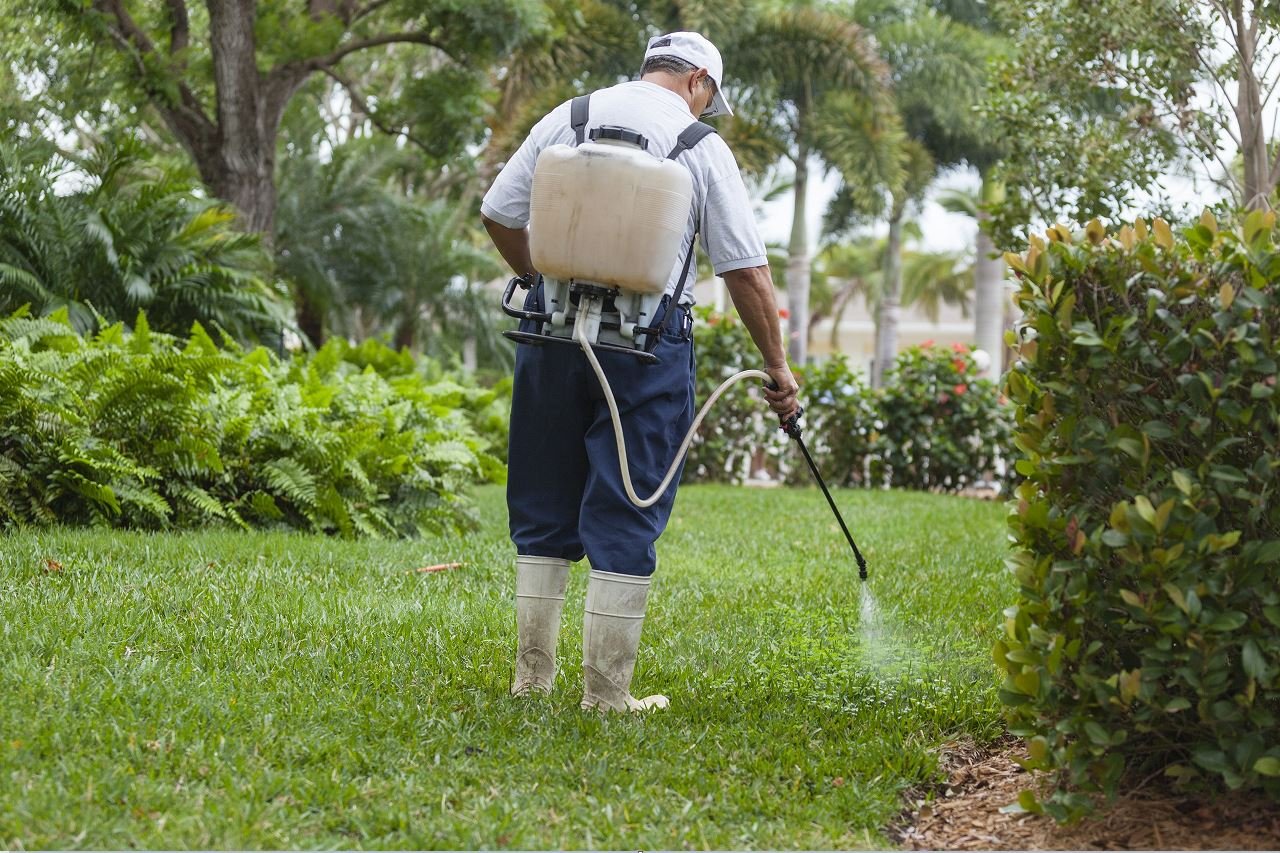
When insect damage continues, professional evaluation can help identify the problem and establish a targeted response. Pest Control Services in Fruitland Park FL may include examining affected turf, identifying likely pests, recommending suitable applications, and explaining ways to reduce future activity. The appropriate service depends on the insect involved, the size of the affected area, and the condition of the lawn.
Understanding Treatment Timing
The timing of lawn insect treatment can affect its results. Certain pests are more vulnerable during specific life stages, while others may require different methods depending on whether they are feeding above or below the soil surface. Weather and soil conditions can also influence application decisions. A qualified professional can recommend an appropriate schedule after evaluating the pest, its activity, and the surrounding environment.
Following Application Safety Instructions
Before treatment begins, ask about preparation requirements and any temporary restrictions on using the lawn. Follow the product label and the provider’s directions concerning children, pets, irrigation, and access to treated areas. Avoid applying additional products without understanding whether they are compatible with the existing treatment plan. Responsible application helps limit unnecessary exposure and supports the proper use of lawn care products.
Monitoring Results After Treatment
A treated lawn may need time to show visible improvement, particularly when insects have already damaged roots or grass blades. Monitor affected sections for changes in color, new growth, and signs of continuing insect activity. Keep notes about areas that improve or deteriorate. If the damage spreads or does not respond as expected, contact the provider to discuss whether further inspection or a different approach is necessary.
Preventing Future Insect Problems
Consistent maintenance can help homeowners notice developing problems before they become widespread. Inspect the lawn regularly, remove unnecessary standing water, maintain suitable mowing practices, and correct drainage issues where possible. Avoid using insecticides without a clear reason, since unnecessary applications may affect beneficial organisms. Early identification and appropriate action are generally more useful than waiting until large portions of the lawn show visible damage.
Keeping Your Outdoor Space in Good Condition
Protecting grass from insects involves more than applying a treatment. Accurate identification, healthy growing conditions, appropriate pest management, and continued monitoring all contribute to better lawn care. By addressing unusual symptoms promptly and following suitable maintenance practices, homeowners can reduce avoidable damage and support stronger turf. Professional guidance can provide additional clarity when the cause of a lawn problem is uncertain or recurring.