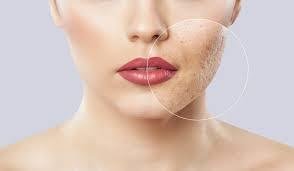


Scars are the body’s natural way of closing a wound, and every surgical incision leaves some evidence of healing behind. For most people, these marks fade gradually and become barely noticeable over time. In other cases, a scar remains raised, widened, discolored, or tight enough to cause discomfort or self-consciousness. Anyone exploring Surgical Scar Revision in Islamabad should first understand that timing plays a major role in the final outcome. Acting too early can interfere with natural healing, while waiting too long may allow a troublesome scar to affect comfort and confidence. A professional evaluation helps determine the right moment based on the scar type, location, and the way your skin heals.
Understanding How Scars Form and Mature
When the skin is cut, the body produces collagen to repair the damage. This process happens in stages, beginning with inflammation, followed by new tissue formation, and finally a long remodeling phase. During remodeling, the scar slowly softens, flattens, and lightens in color. This phase can last twelve to eighteen months, and sometimes longer.Because of this long timeline, a scar that looks red and thick at three months may look very different a year later. This is why patience is an important part of any scar management plan.
Why Early Judgment Can Be Misleading?
Many people become worried when a fresh scar looks dark, raised, or firm. In most cases, this appearance is a normal part of healing and not a sign of failure. Surgeons generally advise waiting until the scar has fully matured before considering a surgical solutionOperating too soon can disturb tissue that is still changing and may lead to a new scar that looks no better than the original. During this waiting period, simple measures such as silicone sheets, gentle massage, and sun protection can improve the result without any procedure.
Signs That Your Scar May Need Attention
Some scars do not improve with time and may benefit from professional care. Common signs include a scar that remains thick and raised well beyond a year, a scar that has widened over time, or one that pulls the surrounding skin and limits movementOther indicators include persistent itching or tenderness, uneven texture, and color that stays noticeably different from the surrounding skin. When a scar begins to affect daily comfort or emotional wellbeing, it is reasonable to seek expert advice.
Different Types of Scars and Their Needs
Not all scars behave the same way. Hypertrophic scars are raised but stay within the borders of the original wound. Keloid scars grow beyond the wound edges and can continue to enlarge. Contracture scars tighten the skin and may restrict movement, especially over joints. Atrophic scars appear sunken or pitted.Each type responds to different treatments, so an accurate diagnosis is essential before any plan is made.
Treatment Options Beyond Surgery
Surgery is not always the first answer. Depending on the scar, options may include steroid injections, laser therapy, microneedling, pressure therapy, or topical treatments. These methods can flatten, soften, and fade many scars without cutting the skin again.
When these measures are not enough, surgical revision may be recommended. Thiscan involve removing the old scar and closing the wound with finer technique, repositioning the scar so it follows natural skin lines, or using local tissue to release a tight area.
Factors That Influence the Right Time
Several personal factors help decide when revision makes sense. Age, skin type, general health, and the location of the scar all play a part. Scars on areas with constant movement or tension, such as the shoulders, chest, or joints, may heal differently than those on the face.worsen results. Addressing these factors before treatment gives the skin a better chance of healing well the second time.
The Importance of Realistic Expectations
No procedure can erase a scar completely. The aim of revision is to make the scar less noticeable, more comfortable, and better blended with the surrounding skin. A skilled surgeon will explain what improvement is realistic and will discuss possible risks openly.Patients who understand this tend to feel more satisfied, because they view the result as an improvement rather than a disappearance.
What to Expect During Consultation and Recovery?
A consultation usually includes a close examination of the scar, a review of medical history, and a discussion of goals. The surgeon may suggest a staged approach that combines several treatments for the best outcome.Recovery depends on the procedure but generally involves caring for the wound, avoiding strain on the area, and protecting the new scar from the sun. Following aftercare instructions closely is one of the most effective ways to support healing.
Choosing a Qualified Professional
The skill of the practitioner strongly affects how a revised scar will look. Look for a qualified specialist with experience in scar management and a record of natural, well-healed results. Clear communication, honest advice, and a personalized plan are signs of a trustworthy provider.
Conclusion
The right time for scar revision is usually after the scar has fully matured, typically twelve months or more following the original injury or surgery, unless it causes pain or restricts movement sooner. Careful observation, simple home care, and professional guidance help determine whether treatment is needed and which option suits you best. With patience, realistic expectations, and the support of an experienced specialist, a stubborn scar can be improved in a way that restores both comfort and confidence.
Contact Information
Address : Office Number LG 20 – 21 Interlace Plaza I-8 Markaz Islamabad
Phone : +92 333 5705871
Email : info@glamorousclinic.com.pk