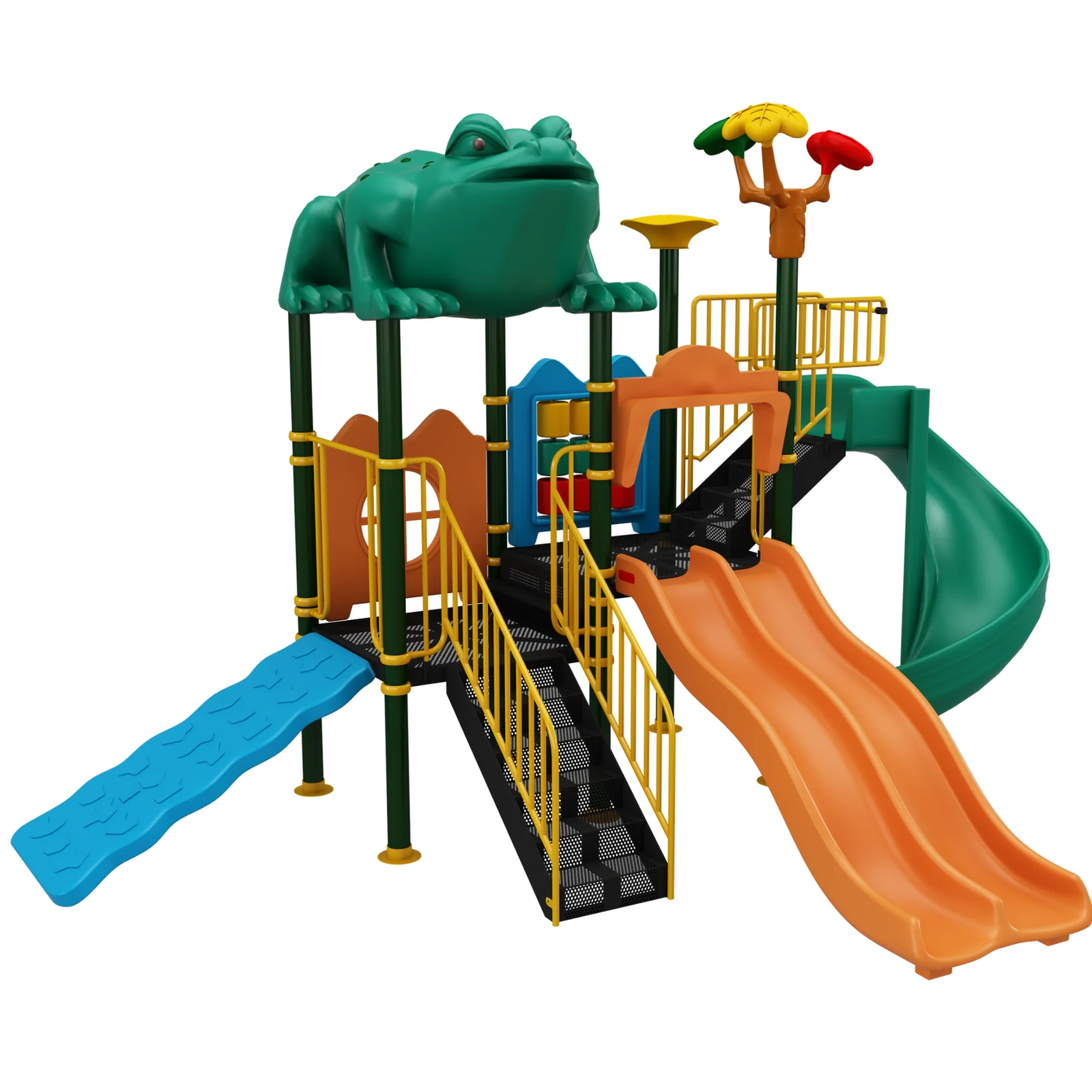


Children today have many activities that involve sitting for extended periods, from classroom learning and homework to watching videos and playing digital games. While quiet activities are a normal part of daily life, children also need regular opportunities to get up, move, and play actively. Creating inviting outdoor play spaces can make physical activity feel enjoyable rather than something children are required to do.
Outdoor playground equipment gives children different reasons to move through climbing, sliding, swinging, balancing, crawling, and imaginative play. When movement becomes part of an enjoyable experience, children may naturally spend more of their free time being physically active.
Turning Free Time Into Active Play
Children are more likely to move when their surroundings give them something interesting to do. An empty outdoor area may provide space, but it does not always give children ideas for sustained play.
Adding outdoor playground equipment creates clear opportunities for movement. A child might climb, slide, move between different play areas, or repeat an activity several times simply because it is enjoyable.
Instead of thinking about exercise, children focus on reaching the top, completing an activity, following friends, or creating a game. Physical movement becomes a natural result of play.
Encouraging Different Types of Movement
One reason playground activities can help reduce sedentary time is the variety of movements they offer. Children are not limited to repeating a single physical action.
Slides encourage climbing before sliding down. Swings involve body positioning and balance. Climbers require children to use their arms and legs, while tunnels and other play structures can encourage crawling, bending, and navigating through spaces.
Outdoor playground equipment can therefore encourage children to keep changing how they move. This variety can make active play more engaging and encourage children to continue exploring.
Making Repeated Movement Enjoyable
Children often enjoy repeating an activity they find exciting. A child may climb the same steps and use a slide several times, return repeatedly to a swing, or complete the same play route with friends.
From an adult perspective, the action may appear repetitive. For children, however, every turn can remain enjoyable because they can change the speed, sequence, story, or way they interact with the activity.
This repetition is important because it keeps children moving without requiring a structured workout. Outdoor playground equipment can transform simple physical actions into activities children voluntarily want to repeat.
Creating Alternatives to Screen-Based Leisure
Screens can easily become a default option when children have limited alternatives during their free time. Simply telling children to reduce screen use may not be enough. Giving them engaging alternatives can make the transition toward active play easier.
An accessible outdoor play environment gives children something practical to do away from screens. They can move between activities, create games, interact with other children, or explore different ways of using the play space.
The objective is not to eliminate screen-based activities completely. Instead, outdoor playground equipment can help create a healthier variety of choices within a child’s daily routine.
Encouraging Social Movement
Active play becomes even more engaging when children participate with others. Playground environments naturally provide opportunities for children to follow one another, take turns, create group games, and move between activities together.
One child might climb while another waits for a turn. A group may create an imaginary adventure that involves moving across several parts of the play area. Children may also encourage friends to repeat an activity or try something new.
Outdoor playground equipment supports this interaction by giving children shared activities around which movement can happen naturally.
Supporting Movement Through Imaginative Play
Physical activity does not always need to look like sport or exercise. Imaginative play can involve significant movement when children turn playground spaces into their own worlds.
A climbing structure might become a fort, a slide may become part of an adventure, or different sections of a playground may become destinations within an imaginary journey. Children move between these areas because movement is necessary to continue the story they have created.
This combination of imagination and physical activity can help sustain play for longer periods because children remain mentally and physically engaged.
Helping Children Build Confidence in Active Play
Some children may initially hesitate when trying unfamiliar physical activities. Starting with manageable movements allows them to become comfortable gradually.
As children repeat activities, they may develop greater confidence in climbing, balancing, moving through spaces, or trying new challenges. This confidence can encourage them to participate more willingly in active play rather than remaining on the sidelines.
Well-planned outdoor playground equipment can provide different activity options, allowing children to engage according to their age, abilities, and comfort levels.
Breaking Up Long Periods of Sitting
Reducing sedentary time does not necessarily mean children need continuous intense activity. Regular opportunities to interrupt long periods of sitting can also make daily routines more active.
Outdoor play sessions can provide a change after classroom lessons, homework, reading, or screen-based activities. Even relatively short periods of active play can encourage children to stand, walk, climb, stretch, and move in different ways.
Outdoor playground equipment makes these activity breaks more appealing because children have clear play opportunities waiting for them.
Creating a More Active Daily Routine
The most effective way to reduce sedentary behaviour is to make movement a normal and enjoyable part of childhood. Children should have opportunities to experience both quiet activities and energetic play rather than spending most of their free time sitting.
Outdoor play spaces can support this balance by offering movement, exploration, social interaction, and imagination within the same environment. Children can choose activities based on their interests while still remaining physically engaged.
When outdoor playground equipment is accessible, age-appropriate, and safely designed, it can help turn ordinary free time into active play. Instead of viewing movement as a separate task, children can experience it naturally through climbing, sliding, swinging, exploring, and playing with others. This makes outdoor play a practical way to reduce prolonged sedentary time while keeping childhood activity enjoyable and varied.