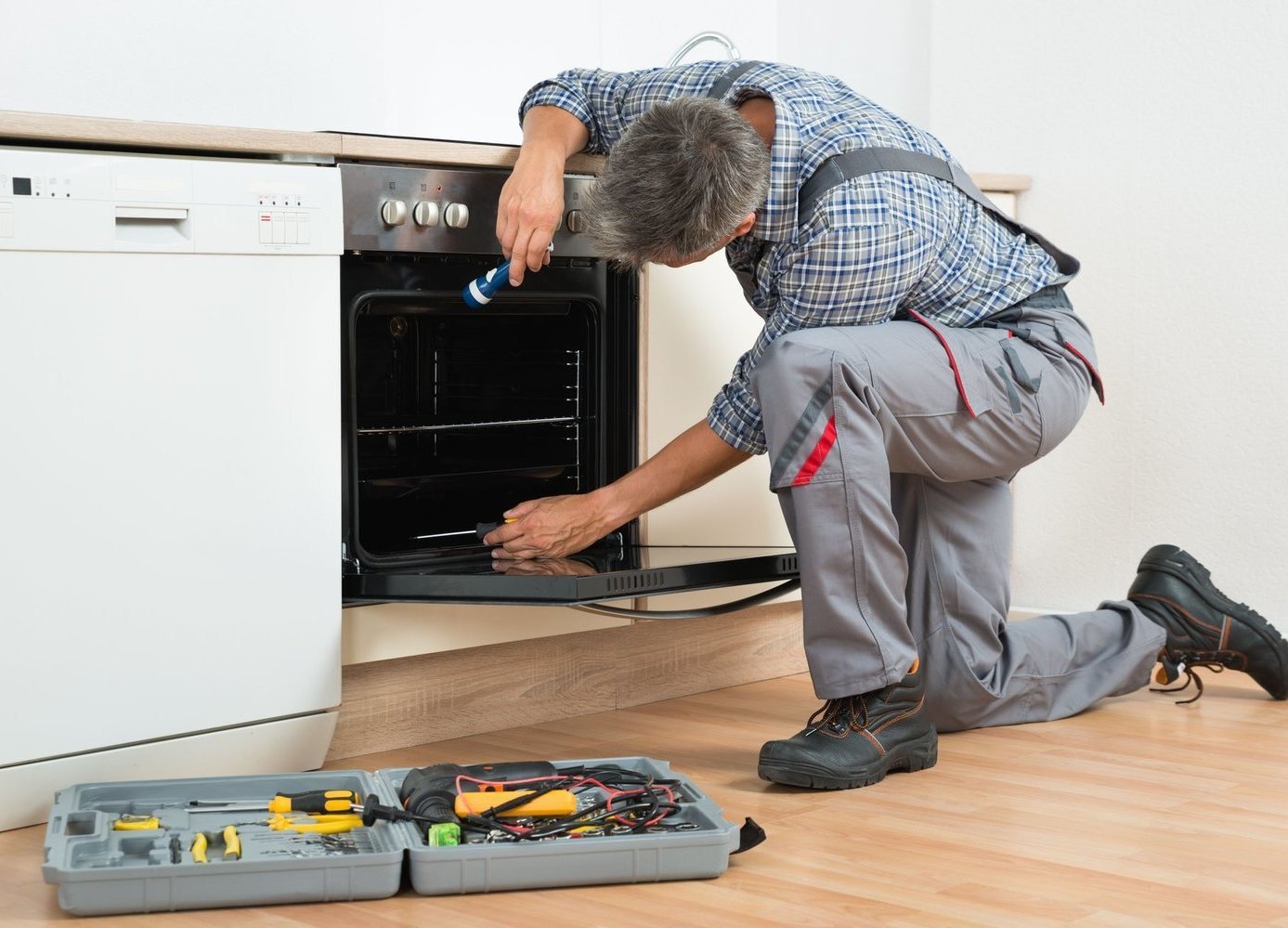


Recognizing the Signs of an Oven Problem
An electric oven should heat consistently, maintain its selected temperature, and cook food evenly. When something changes, it may indicate a problem with a heating component, temperature sensor, or electrical connection. Recognizing these signs early can help prevent further damage and make it easier to explain the issue to a technician.
When Professional Repair Becomes Necessary
If your oven stops heating, takes unusually long to reach the desired temperature, or repeatedly shuts off during cooking, professional inspection may be needed. Electric oven repair Douglas GA can help address problems involving heating elements, faulty controls, and other internal components. A proper diagnosis identifies the cause instead of relying on guesswork or replacing parts unnecessarily.
Understanding How Heating Elements Work
Most electric ovens use separate heating elements for baking and broiling. These components produce heat when electricity passes through them. Over time, an element may develop visible damage, stop glowing, or fail to generate enough heat. However, an oven that does not heat properly may also have a wiring, sensor, or control issue, so the element should not be blamed without inspection.
Why Temperature Accuracy Matters
An oven that runs too hot or too cold can affect the quality of everyday meals. Cakes may remain undercooked in the center, while roasted vegetables can burn before becoming tender. Temperature problems sometimes result from a worn sensor or inaccurate thermostat. A technician can compare the oven’s actual temperature with its displayed setting and determine whether calibration or component replacement is appropriate.
Choosing the Right Repair Approach
When an appliance develops a problem, the repair method should depend on its age, condition, and the cost of necessary parts. Appliance repair services Douglas may involve checking electrical connections, testing heating components, examining control boards, or replacing damaged parts. A clear diagnosis helps homeowners understand which repairs are necessary and whether fixing the existing oven makes financial sense.
Common Causes of Uneven Cooking
Uneven cooking does not always mean the oven has completely failed. A damaged heating element, obstructed airflow, incorrect rack placement, or a temperature sensor problem can cause food to cook inconsistently. Homeowners can begin by checking whether cookware blocks air circulation and whether the oven racks are positioned correctly. Persistent uneven heating deserves a closer technical examination.
Keeping the Oven Clean and Maintained
Regular cleaning can support better oven performance. Grease and food residue may accumulate around heating elements, vents, and interior surfaces, creating smoke or unpleasant odors during cooking. Follow the manufacturer’s cleaning instructions and avoid applying cleaning products directly to electrical components. A clean interior also makes it easier to notice cracks, unusual discoloration, or other visible signs of wear.
Electrical Safety During Oven Troubleshooting
Electric ovens operate with high-voltage electrical components, which can create serious risks during repairs. Homeowners should avoid removing access panels, handling exposed wiring, or testing internal components without appropriate training. If an oven produces sparks, a burning electrical smell, or repeatedly trips a breaker, stop using it. Disconnect power only when it is safe to do so and arrange a professional inspection.
Repairing Controls and Display Problems
A blank display, unresponsive buttons, or incorrect settings can make an oven difficult to operate. These symptoms may involve the control board, touch panel, power supply, or a temporary interruption in electricity. Checking the owner’s manual for basic reset instructions may help with a simple electronic glitch. If the problem continues, a technician can test the controls and identify the faulty component.
When Replacement May Be Worth Considering
Repair is not always the most economical option, especially when an oven is older or requires several expensive components. Consider the estimated repair cost, the appliance’s overall condition, its energy performance, and the availability of replacement parts. A reliable technician can explain the advantages and limitations of repairing the current unit versus purchasing a new one, allowing homeowners to make an informed decision.
Preparing for a Service Appointment
Before arranging an inspection, write down the symptoms, when they began, and whether they occur during baking, broiling, or preheating. Record the oven’s brand and model number if available. Mention any unusual noises, odors, or electrical interruptions. These details can help the technician narrow down possible causes and prepare for the appointment.
Making Oven Performance More Reliable
An electric oven can remain useful for many years when it receives appropriate care and timely attention. Avoid ignoring temperature changes, unusual electrical behavior, or repeated heating failures. Routine cleaning, careful operation, and professional diagnosis when problems arise can help protect the appliance and support dependable cooking performance in your kitchen.