

Recognizing Common Furnace Problems
A dependable furnace helps maintain comfortable indoor temperatures when outdoor conditions become cold. When a heating system starts making unusual noises, produces weak airflow, or struggles to maintain the thermostat setting, it may need attention. Recognizing these warning signs early can help homeowners address developing problems before they cause a complete loss of heat or additional equipment damage.
Knowing When Professional Repairs Are Needed
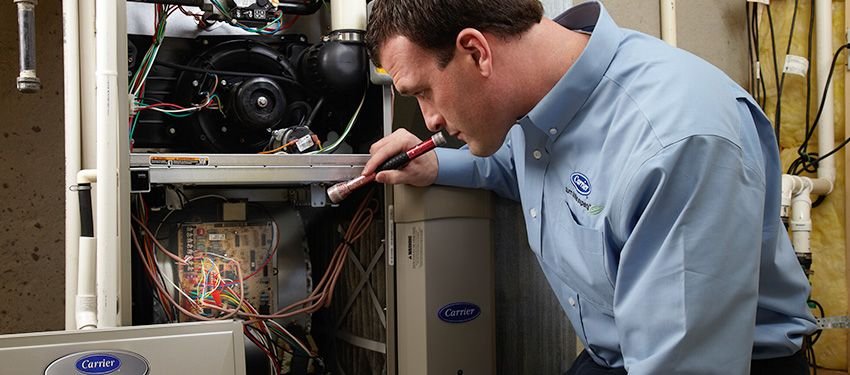
Heating problems can have several causes, including worn components, restricted airflow, ignition issues, or thermostat malfunctions. Furnace Repair Services near Scarsdale NY can help homeowners identify the source of these issues and determine an appropriate repair. A qualified technician can inspect the system, test relevant components, and explain the available options instead of relying on guesswork or replacing parts unnecessarily.
Understanding How a Furnace Operates
A furnace generally heats air and distributes it through a home’s ductwork. Depending on the model, it may use natural gas, electricity, or another energy source. The thermostat signals when heating is needed, while internal controls manage the operating cycle. When one part fails, the entire system may be affected. Understanding these basic functions helps homeowners recognize changes in normal performance.
Identifying Uneven Heating Throughout the Home
If one room feels warm while another remains cold, the problem may involve more than the furnace itself. Blocked vents, dirty filters, leaking ducts, and airflow imbalances can prevent heated air from reaching certain areas. Check that furniture does not obstruct supply registers and that return vents remain clear. If uneven temperatures continue, a professional assessment can help identify the underlying cause.
Maintaining Air Filters and Airflow
Air filters collect dust and other airborne particles, but a heavily clogged filter can restrict airflow and place additional strain on heating equipment. Check the filter according to the manufacturer’s instructions and replace it when needed. The correct replacement depends on the furnace model and filter specifications. Regular filter care can support efficient operation, improve airflow, and reduce avoidable wear on system components.
Understanding the Value of HVAC Maintenance
Hvac Repair Services may address problems involving heating equipment, thermostats, electrical controls, airflow, and other components of a home’s climate system. Routine maintenance can also help identify developing concerns before they become more disruptive. During an inspection, a qualified professional may check system operation, examine accessible components, and recommend repairs based on the equipment’s condition and the manufacturer’s maintenance guidance.
Paying Attention to Unusual Sounds and Smells
A furnace may produce minor operating sounds, but sudden banging, grinding, persistent rattling, or repeated clicking can indicate a problem. Unusual odors also deserve attention, particularly when they continue after the system starts. If you smell gas, leave the building without operating electrical switches and contact the gas utility or emergency services from a safe location. Never attempt to diagnose a suspected gas leak yourself.
Checking Thermostat Performance
A malfunctioning thermostat can make a furnace appear unreliable even when the heating equipment is working properly. Incorrect settings, weak batteries, poor placement, or wiring problems may affect temperature control. Confirm that the thermostat is set to heating mode and that the selected temperature is appropriate. If the furnace continues cycling frequently or cannot maintain the desired temperature, professional troubleshooting may be necessary.
Preparing a Heating System for Winter
Before colder weather arrives, make sure vents are unobstructed, replace dirty filters, and check that the thermostat responds correctly. Arrange professional maintenance when recommended for your equipment, especially if the furnace has not been inspected recently. Keep the area around the unit clear and follow manufacturer instructions for routine care. Preparation can help reduce unexpected heating interruptions during periods of heavy use.
Improving Heating Efficiency at Home
Heating efficiency depends on both the furnace and the building it serves. Air leaks around doors and windows can allow warm air to escape, forcing the system to operate longer. Sealing appropriate gaps, improving insulation, and using consistent thermostat settings can help reduce unnecessary heating demand. Avoid closing too many supply vents, since doing so may interfere with the system’s designed airflow.
Deciding Between Repair and Replacement
When a furnace develops recurring problems, homeowners may need to compare repair costs with the benefits of replacement. Consider the equipment’s age, repair history, operating performance, and availability of parts. A major component failure may change the financial calculation, but age alone does not determine whether replacement is necessary. Ask a qualified technician to explain the condition of the system and provide a clear estimate.
Keeping Your Home Comfortable and Safe
Reliable heating depends on proper maintenance, timely troubleshooting, and attention to unusual system behavior. Simple tasks such as replacing filters and keeping vents clear can support normal operation, while electrical, combustion, and gas-related problems require qualified assistance. By addressing concerns promptly and arranging appropriate inspections, homeowners can help maintain indoor comfort and make informed decisions about their heating equipment throughout the colder months.