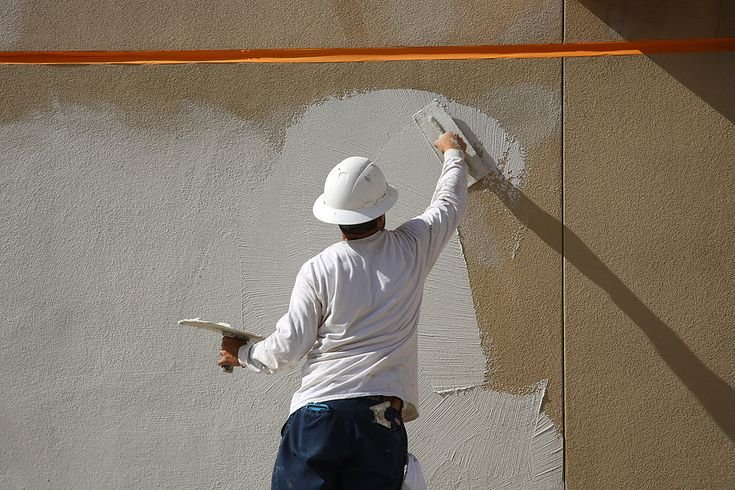


Understanding Common Wall Damage
Interior walls can develop cracks, dents, holes, peeling paint, and uneven surfaces over time. Everyday activities, furniture movement, moisture, and normal building movement may contribute to these problems. Identifying the cause of damage is an important first step because the right repair method depends on the material, the extent of the problem, and the condition of the surrounding surface.
Identifying the Right Repair Approach
Homeowners considering Wall Finish Repair Services in Lynchburg VA should first determine whether the problem involves a minor surface blemish or more extensive damage. Small nail holes may require only filling and sanding, while larger cracks or damaged wall sections may need additional preparation. If damage keeps returning or appears alongside moisture, it is important to investigate the underlying cause before applying a new finish.
Preparing the Wall Surface
Good preparation helps create a smooth and consistent result. Loose paint, dust, and flaking material should be removed from the repair area before new compounds or finishes are applied. The surrounding surface may also need light sanding to eliminate rough edges. Proper preparation improves adhesion and helps prevent visible bumps or uneven patches after the repaired area has been painted.
Repairing Small Holes and Dents
Minor holes and dents are common in busy households and workplaces. They may result from picture hooks, door handles, furniture, or accidental impacts. Suitable patching compounds can fill many small imperfections when applied according to product instructions. Once the material has dried, careful sanding helps level the surface. Applying primer before painting can improve coverage and reduce differences between the repair and the existing wall.
Addressing Cracks in Interior Walls
Cracks vary in size and significance, so they should be evaluated before repairs begin. Fine cracks near joints may result from ordinary movement or changes in temperature and humidity. Wider, recurring, or expanding cracks may indicate a deeper issue that requires professional assessment. Simply covering a crack without understanding its cause may lead to the same problem appearing again after the surface has been refinished.
Choosing Suitable Repair Materials
Different wall surfaces require different materials and techniques. Joint compound is commonly used for drywall seams and certain surface repairs, while patching products may be more suitable for isolated holes. Plaster walls can require a different approach depending on their age and condition. Selecting compatible materials and following the manufacturer’s directions helps create a durable repair and reduces the chance of poor adhesion or cracking.
Improving Surface Consistency
A repaired wall should blend with the surrounding area rather than appear as an obvious patch. Drywall & Wall Repair Services can address damaged sections, uneven joints, holes, and other imperfections that affect the appearance of interior surfaces. Proper application, sufficient drying time, and careful sanding all contribute to a more uniform finish. Matching the existing wall texture is also important when the surface is not completely smooth.
Matching Paint and Wall Texture
Paint color and texture can make repairs more noticeable when they do not match the surrounding wall. Even a similar paint shade may appear different because of fading, lighting, or variations in sheen. Before painting the entire surface, test the selected color in a small area when practical. Textured walls may require additional work to reproduce the original pattern and achieve a consistent appearance.
Recognizing Moisture-Related Damage
Water stains, bubbling paint, soft drywall, and recurring discoloration can indicate moisture problems. These signs should not be treated as purely cosmetic issues until the source has been investigated. Leaking pipes, roof problems, and poor ventilation may contribute to wall deterioration. Repairing the visible surface without correcting the moisture source can cause renewed damage and may create conditions that encourage mold growth.
Planning Repairs Around Daily Activities
Interior wall repairs can create dust, noise, and temporary restrictions on room use. Moving furniture away from the work area and protecting floors can help keep belongings clean. Families may also need to plan around drying times, ventilation requirements, and access to the affected room. Discussing the expected process and schedule in advance helps reduce disruption and makes it easier to prepare the space.
Maintaining Repaired Walls
Regular inspections can help homeowners notice minor wall problems before they become more extensive. Look for fresh cracks, peeling paint, loose seams, or signs of moisture, particularly near windows, ceilings, and plumbing fixtures. Clean painted surfaces using methods suitable for their finish, and avoid placing heavy objects against vulnerable areas. Prompt attention to small defects helps preserve the appearance of walls and may reduce future repair needs.
Creating a Lasting Interior Finish
Well-maintained walls contribute to a cleaner, more comfortable interior. Lasting results depend on identifying the source of damage, selecting compatible materials, preparing surfaces carefully, and allowing repairs to dry properly. Paint and texture should be matched with attention to the existing finish. By addressing problems early and maintaining the surrounding areas, property owners can keep interior walls looking consistent and functional for longer.