

Car Window Tint can improve privacy, reduce glare, and protect your interior from sunlight. Using automotive window film or UV protection film can also make driving more comfortable. However, UK drivers must follow specific rules for front windows and windscreens. Choosing suitable film and maintaining it correctly helps preserve appearance and performance. This guide explains the benefits, legal requirements, types, installation advice, and maintenance essentials.
What Is Car Window Tint?
Car Window Tint is a thin film applied to vehicle glass to change its appearance and performance. Modern films come in different shades, materials, and levels of light transmission. Some are designed mainly for appearance, while others provide heat or ultraviolet protection.
A quality automotive window film can help reduce sunlight entering the cabin. It may also reduce glare, making bright daytime driving more comfortable. The right film should match your vehicle, glass type, and intended use.
Key Benefits of Window Tinting
One major advantage of privacy window film is increased privacy for passengers and belongings. Darker rear windows can make it harder for people outside to see inside your vehicle. This can be especially useful when carrying luggage or leaving personal items inside.
Another benefit is reduced solar heat entering the cabin. Good-quality film can help make the interior feel more comfortable during sunny journeys. A suitable UV protection film can also reduce exposure to ultraviolet radiation inside the vehicle.
Window film can also help protect interior surfaces from prolonged sunlight. Seats, dashboards, and trim may experience fading or deterioration over time. However, tint should not be viewed as a replacement for sensible vehicle care.
UK Car Window Tint Laws Explained
UK law places specific limits on how much light can pass through front glazing. For vehicles first used on or after 1 April 1985, the windscreen must allow at least 75% of light through. Front side windows must allow at least 70% of light through.
There are no general VLT limits for rear windscreens or rear passenger windows under these rules. However, drivers should still maintain clear visibility and check any additional requirements that apply to specialist or licensed vehicles.
Police and DVSA vehicle examiners can use light-measuring equipment to check window tint. Excessively tinted front windows can result in enforcement action, including a prohibition notice or penalty.
The MOT can also consider excessive tinting where it affects visibility. The current MOT inspection guidance classifies excessive tinting as a defect depending on its effect on the driver’s view.
| Window | Minimum light transmission |
| Front windscreen | 75% for vehicles first used from 1 April 1985 |
| Front side windows | 70% for vehicles first used from 1 April 1985 |
| Rear passenger windows | No general VLT limit |
| Rear windscreen | No general VLT limit |
Choosing the Right Window Film
Choosing Car Window Tint should involve more than selecting the darkest shade available. Consider the film’s light transmission, heat rejection, durability, and intended position on the vehicle.
For rear glass, privacy window film can provide a darker appearance and greater privacy. For drivers concerned about sunlight, a lighter UV protection film may provide useful protection without creating unnecessary visibility problems.
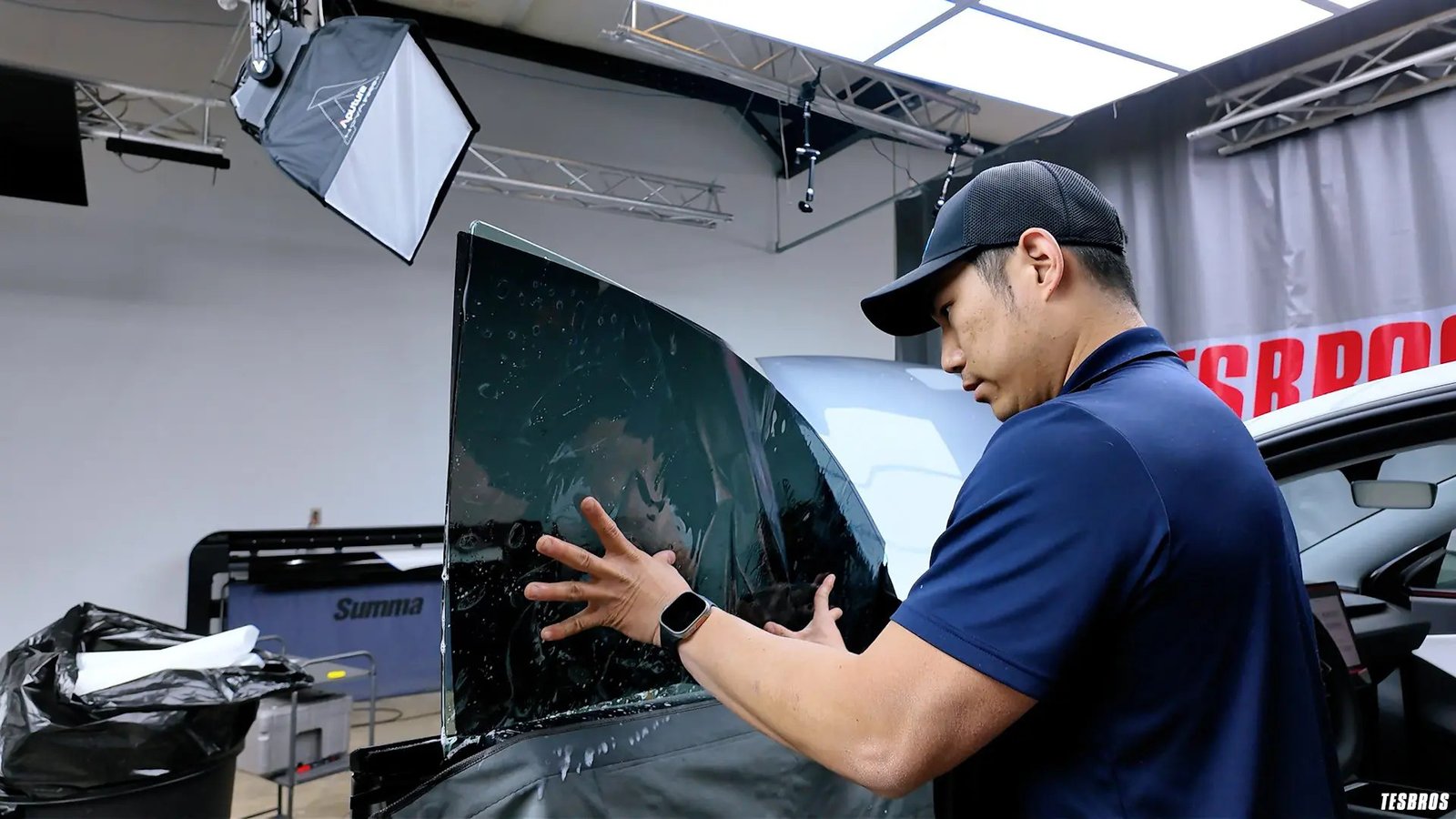
Professional installation is usually preferable because poor application can cause bubbles, creases, lifting edges, or uneven coverage. Before installation, check the existing glass tint because factory glass may already reduce light transmission.
How to Maintain Tinted Windows
Proper care helps keep Car Window Tint looking clear and attractive for longer. Avoid aggressive cleaning products, rough cloths, and abrasive tools that could scratch the film.
Use a soft microfibre cloth with a mild, tint-safe cleaning solution. Clean gently rather than applying heavy pressure, particularly around film edges. If the film has recently been installed, follow the installer’s recommended curing period before cleaning.
Watch for bubbling, peeling, discolouration, or damaged edges. These signs can indicate ageing, poor installation, or damage that may require professional attention. Never attempt to repair badly damaged film with household adhesives or sharp tools.
Common Mistakes to Avoid
A common mistake is assuming that any dark tint is automatically legal on every window. Front glazing has strict light-transmission requirements, so appearance alone cannot determine compliance.
Another mistake is choosing film based only on its darkness. A reputable installer should explain the film’s specifications and consider the vehicle’s existing glass before installation.
Finally, avoid neglecting visibility. UK guidance requires windscreens and windows to remain clean and free from obstructions affecting vision.
Conclusion
Car Window Tint can improve privacy, comfort, glare control, and interior protection when correctly chosen. UK drivers must pay particular attention to the legal light-transmission limits for front glazing. The right automotive window film should balance appearance, visibility, and practical protection. Professional installation and gentle cleaning can help maintain the film’s condition. Always check the film and existing glass together before making your final choice.
FAQs
1. Is Car Window Tint legal in the UK?
Yes, tinting is legal when it meets UK light-transmission requirements. The front windscreen and front side windows have specific limits. Car Window Tint must not reduce front visibility below those limits.
2. How dark can front car windows be?
Front side windows must allow at least 70% of light through on most modern cars. The windscreen must allow at least 75% through. automotive window film should therefore be selected carefully for front glass.
3. Can I tint my rear windows?
Yes, UK rules do not set general VLT limits for rear passenger windows. The same applies to the rear windscreen under the general tinting rules. privacy window film is commonly used on rear glazing.
4. Does window tint affect an MOT?
Excessive tinting can become an MOT defect if it seriously affects visibility. The tester assesses whether the driver’s view is significantly restricted. Car Window Tint should therefore never compromise safe visibility.
5. Does tint protect the car interior?
Some films can reduce ultraviolet exposure and sunlight entering the cabin. This may help reduce long-term fading of interior materials. UV protection film can be useful for drivers seeking additional interior protection.
6. Can I clean tinted windows normally?
You should use gentle cleaning products and a soft microfibre cloth. Avoid abrasive materials that could damage the film surface. automotive window film should always be cleaned according to the installer’s guidance.
7. How long does window tint last?
The lifespan depends on film quality, installation, sunlight exposure, and maintenance. Higher-quality films generally offer better durability than cheaper alternatives. Car Window Tint should be inspected periodically for fading or peeling.
8. Can tint reduce glare while driving?
Yes, suitable tint can reduce the amount of bright sunlight entering the cabin. However, excessive darkness can reduce visibility in low-light conditions. UV protection film should therefore be chosen with visibility in mind.
9. Should window tint be professionally installed?
Professional installation can produce cleaner edges and more consistent coverage. It can also reduce problems such as bubbles and premature peeling. privacy window film usually looks better when correctly fitted.
10. What should I check before tinting my car?
Check the existing glass, film specifications, light transmission, and UK legal requirements. You should also choose a reputable installer with experience in vehicle glazing. Car Window Tint should always provide style without compromising legal visibility.