

Septoplasty is a surgical procedure designed to correct a deviated nasal septum, the structure that separates the two nasal passages. Although it is commonly performed to improve nasal airflow and address breathing difficulties, several misconceptions can make patients uncertain about the treatment. Some people believe septoplasty changes the external appearance of the nose, while others assume that recovery is extremely painful or that the procedure guarantees perfect breathing.
Understanding the facts can help patients make informed decisions about Septoplasty in Dubai. A proper medical assessment, realistic expectations, and appropriate postoperative care are important parts of the treatment journey. At Perfect Doctors Clinic, patients can learn about the procedure, available treatment approaches, and factors that influence recovery and outcomes.
Why Do Misconceptions About Septoplasty in Dubai Exist?
Many misconceptions develop because patients confuse septoplasty with rhinoplasty or rely on incomplete information about nasal surgery. Although both procedures involve the nose, their primary objectives are different.
Septoplasty in Dubai focuses on correcting the internal nasal septum to improve airflow, whereas rhinoplasty primarily addresses the external shape and structure of the nose. Understanding this distinction helps patients recognize which procedure may be appropriate for their concerns.
Another source of confusion is the assumption that every patient experiences the same recovery process. In reality, healing depends on individual anatomy, surgical complexity, general health, and adherence to postoperative instructions.
What Are the Most Common Myths About Septoplasty Treatment?
Several misunderstandings can influence how patients view nasal septum correction. Exploring these myths alongside accurate information can help establish realistic expectations.
Myth 1: Septoplasty Is Only a Cosmetic Procedure
One of the most common misconceptions is that septoplasty is performed mainly to improve the appearance of the nose. However, its primary purpose is functional rather than cosmetic.
A deviated septum can restrict airflow through one or both nasal passages. Correcting the deviation may improve breathing comfort and address obstruction associated with the structural problem. Patients seeking Nasal septum correction in Dubai should understand that the treatment focuses on internal nasal alignment.
Myth 2: Septoplasty and Rhinoplasty Are the Same Procedure
Septoplasty and rhinoplasty are different surgical procedures. Septoplasty corrects the internal nasal septum, while rhinoplasty changes the external appearance or structure of the nose.
In certain cases, both procedures may be performed together when a patient has functional and cosmetic concerns. However, undergoing septoplasty alone does not necessarily change the external shape of the nose.
Patients considering Nose deviated septum surgery in Dubai should discuss their concerns during a consultation to understand which procedure addresses their needs.
Myth 3: Septoplasty Guarantees Perfect Breathing
Another misconception is that septoplasty guarantees completely unrestricted breathing. Although correcting a deviated septum can improve airflow, other conditions may continue to affect nasal breathing.
Allergies, sinus inflammation, enlarged turbinates, and other structural concerns can contribute to nasal obstruction. Therefore, the surgeon must evaluate the complete nasal anatomy before recommending treatment.
The Septoplasty benefits in Dubai may include improved airflow, reduced structural obstruction, and better nasal breathing comfort. However, individual results vary, and patients should maintain realistic expectations.
Myth 4: Septoplasty Is Extremely Painful
Many patients delay treatment because they expect severe pain during recovery. However, discomfort levels vary, and postoperative symptoms are generally managed through appropriate medication and aftercare instructions.
Patients may experience congestion, pressure, mild discomfort, and temporary swelling during the initial healing period. These symptoms usually improve gradually.
The surgeon provides guidance on pain management and explains which symptoms are expected. Following the recommended care plan can make Septoplasty recovery in Dubai more manageable.
Myth 5: Recovery Takes Only a Few Days
Although some patients resume light daily activities relatively quickly, complete healing takes longer. Initial swelling and congestion may improve over the first few weeks, but internal tissues can require several months to settle fully.
Patients should avoid strenuous exercise, protect their nose from accidental injury, and follow instructions regarding nasal hygiene. The surgeon determines when normal activities can safely resume.
Understanding the difference between returning to everyday activities and complete internal healing helps patients develop realistic expectations.
How Do Best Doctors in Dubai Assess Septoplasty Treatment Effectiveness?
The effectiveness of septoplasty is evaluated through several clinical and functional assessments. The Best Doctors in Dubai consider the patient’s original symptoms, nasal anatomy, breathing improvement, and healing progress.
During follow-up appointments, the surgeon may:
- Assess nasal airflow: Evaluate whether breathing has improved compared with the patient’s preoperative condition.
- Examine the nasal passages: Check for swelling, inflammation, crusting, or internal scar tissue.
- Review patient symptoms: Discuss congestion, breathing comfort, sleep quality, and any remaining obstruction.
- Evaluate structural healing: Examine whether the corrected septum is healing appropriately.
- Identify other contributing conditions: Determine whether allergies, sinus problems, or additional nasal abnormalities are affecting breathing.
These assessments help establish whether treatment has achieved its intended functional objectives and whether additional management is necessary.
What Should Patients Know About Septoplasty Procedure Dubai?
The Septoplasty procedure Dubai generally involves correcting or repositioning the portions of the nasal septum responsible for obstruction. The surgeon may reshape, reposition, or remove selected portions of cartilage and bone while preserving adequate structural support.
The procedure is commonly performed under general anesthesia, although the appropriate anesthetic approach depends on the patient’s circumstances.
Before surgery, patients undergo an assessment of their nasal structure, medical history, and breathing difficulties. This helps determine the appropriate surgical approach and whether additional treatment may be beneficial.
Patients exploring Septoplasty treatment options in Dubai should understand that the surgical plan is individualized rather than identical for everyone.
Does Septoplasty Cost in Dubai Depend on the Treatment Plan?
The Septoplasty cost in Dubai can vary according to the complexity of the deviation, surgical requirements, anesthesia, facility fees, and postoperative care arrangements.
Patients researching the Septoplasty Dubai price should request a detailed estimate and clarify which services are included. Cost should not be the only consideration when selecting a surgeon.
During a consultation, patients can discuss the procedure, expected recovery, and available follow-up arrangements. They should also ask about the surgeon’s experience and qualifications.
How Can Patients Choose the Best Plastic Surgeon in Dubai?
Selecting an experienced professional is an important part of the treatment journey. Patients comparing the Best Plastic Surgeon in Dubai should consider relevant qualifications, surgical experience, communication, and postoperative support.
The Best Septoplasty Surgeon in Dubai should assess the patient’s nasal anatomy, explain the expected benefits and limitations, and recommend an appropriate treatment plan.
Patients can also discuss their concerns with Dr Perfect Celebrity at Perfect Doctors Clinic to understand the available treatment approach and recovery considerations.
A Septoplasty consultation in Dubai provides an opportunity to ask questions about surgical techniques, potential risks, expected outcomes, and follow-up appointments. Patients should feel comfortable discussing their symptoms and understanding the proposed treatment.
What Can Patients Expect From Septoplasty Before and After Results?
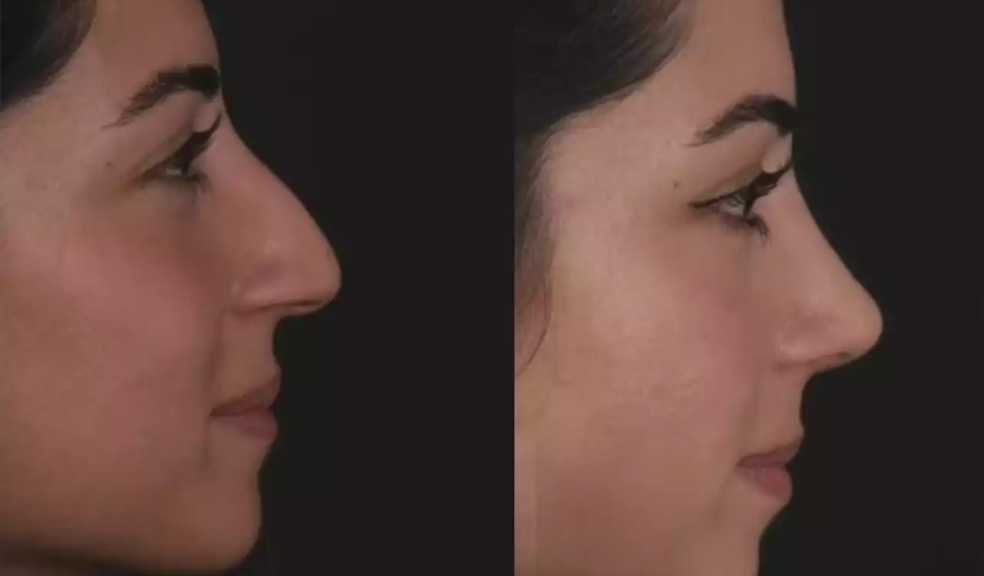
Septoplasty before and after results primarily demonstrate changes in nasal function rather than external appearance. Patients may experience improved airflow as internal swelling decreases and the corrected septum heals.
However, results are influenced by individual anatomy and other conditions affecting nasal breathing. Some patients may continue to experience congestion because of allergies or sinus-related problems.
The Best Septoplasty Surgeons in Dubai evaluate outcomes through follow-up examinations and patient feedback rather than relying solely on visual comparisons. This functional approach helps determine whether the treatment has achieved its intended purpose.
Conclusion
Several misconceptions about septoplasty arise from confusing functional nasal surgery with cosmetic procedures or misunderstanding the recovery process. Septoplasty primarily corrects a deviated septum to improve nasal airflow, but it does not guarantee perfect breathing or automatically change the external appearance of the nose.
Patients considering Septoplasty in Dubai should seek an appropriate medical assessment, understand the potential benefits and limitations, and follow postoperative instructions. Choosing an experienced surgeon and maintaining realistic expectations can help patients approach treatment with greater confidence.
Frequently Asked Questions
1. Is Septoplasty in Dubai performed for cosmetic reasons?
Septoplasty is primarily a functional procedure designed to correct a deviated nasal septum and improve airflow. It does not usually change the external appearance of the nose unless combined with another procedure.
2. Does septoplasty permanently correct a deviated septum?
Septoplasty is intended to provide long-term structural correction. However, healing differences, scar tissue, trauma, or other nasal conditions can influence long-term results.
3. Is septoplasty more painful than rhinoplasty?
Pain and discomfort vary between individuals and depend on the surgical approach. Both procedures can involve temporary swelling, congestion, and discomfort, which are generally managed with appropriate aftercare.
4. How long does Septoplasty recovery in Dubai take?
Many patients return to light activities within approximately one to two weeks. However, internal healing and the gradual resolution of swelling can take several weeks or months.
5. Can septoplasty change the shape of my nose?
Septoplasty alone generally focuses on the internal nasal structure and does not significantly change the external appearance. Rhinoplasty may be considered when external cosmetic changes are also desired.
6. Does septoplasty improve sleep quality?
It may improve sleep comfort when nasal obstruction caused by a deviated septum contributes to breathing difficulties during sleep. However, it does not directly treat every sleep-related breathing disorder.
7. What affects Septoplasty cost in Dubai?
The cost may depend on surgical complexity, anesthesia, facility requirements, and postoperative care. Patients should obtain a personalized estimate after medical evaluation.
8. Can a deviated septum return after surgery?
A successfully corrected septum generally maintains its improved alignment. However, trauma, healing complications, or residual structural problems may affect the results.
9. Is septoplasty suitable for everyone with a deviated septum?
No. Suitability depends on symptoms, the severity of the deviation, medical history, and other possible causes of nasal obstruction. A medical assessment helps determine whether surgery is appropriate.
10. How do doctors determine whether septoplasty has been successful?
Doctors assess breathing improvement, nasal airflow, internal healing, and patient-reported symptoms during follow-up appointments. They may also examine the nasal passages to identify any remaining obstruction or complications.