
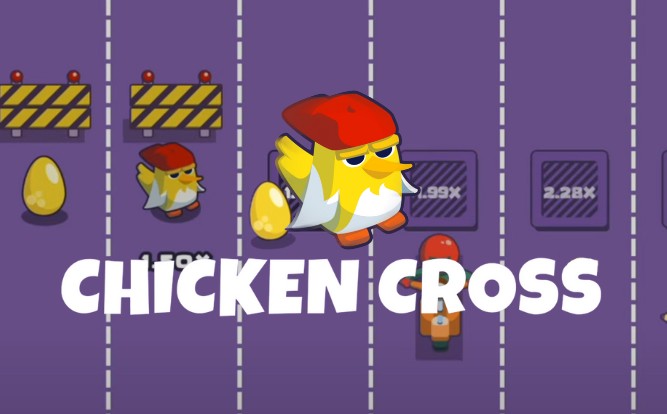
This Chicken Road title transforms a simple childhood question and evolves it into a tense, multiplier‑driven crash game chickenroadgame-it.it. Rather than spinning reels, we watch a chicken endeavor to cross a busy motorway while a rising multiplier follows the growing reward. The central hook is the instant prize trigger: the moment we choose to lock in a win before the round ends abruptly. Knowing how these triggers work, when they appear, and what influences their timing is the key to moving from casual play to informed decision‑making. This article breaks down every aspect of instant prize triggers inside Chicken Road, from the core cash‑out mechanic to any secondary surprise features, so we can approach each round with clear expectations.
Payout percentage and Variance: What the Data Shows Regarding Instant Prizes
RTP (RTP) in Chicken Road typically sits between 96% and 97% for the base game, though the exact figure is determined by the operator’s configuration and any side‑bet options. This percentage indicates the long‑term expected payback across all rounds, including those finished via manual cash‑outs, auto cash‑outs, and crashes. The RTP is not a guarantee per session, but it shows us that the game’s mathematics are built to return most of the wagered money over time. Instant prize triggers do not alter the RTP; they are the mechanism through which the RTP is delivered.
Risk level in Chicken Road is best described as medium to high. The crash point distribution means many rounds end at low multipliers, while a few reach extreme heights. This creates a pattern where small, frequent wins are possible if we cash out early, but chasing large multipliers leads to longer losing streaks. The instant prize trigger is the tool that lets us decide where on that volatility spectrum we want to operate. Consistently cashing out at 1.50× produces a high hit rate with low variance, while targeting 10.00× or above turns the game into a high‑volatility pursuit where patience and bankroll management become critical.
When extra instant prize features like golden eggs or bonus buys are present, they often carry their own RTP contribution. A bonus buy round might have a slightly different return, sometimes higher or lower than the base game. We should always check the game’s information panel, which usually displays separate RTP values for the main game and any purchasable features. Understanding these numbers helps us evaluate whether buying instant prize rounds is mathematically sound or merely a shortcut that costs extra in the long run.
The Primary Instant Prize Trigger: Collecting Before the Crash
The key way to claim a win in Chicken Road is the manual cash‑out. As soon as a round commences, the multiplier begins rising from 1.00×. A visible “Cash Out” button remains active until the crash takes place. Tapping it instantly closes the round at the displayed multiplier, and our balance changes immediately. This is the core of an instant prize trigger: a intentional action that secures a reward without any middle steps. The payout is computed as stake × current multiplier, and the funds are accessible straight away. There is no holding period, no bonus screen, and no second‑chance mechanic.
What makes this trigger fascinating is its dual nature. On one hand, it provides us full control over the outcome. On the other hand, the crash point is unpredictable, so we can never be sure whether holding for one more tick will multiply our money or erase the round. The game does not indicate the crash. Cars may turn, the chicken may trip, but these animations are visual and do not indicate the end. The only reliable signal is the multiplier itself, and the instant prize trigger stays our sole method of transforming potential into actual winnings.
Auto cash‑out is a version of the same trigger. We can set a target multiplier before the round starts, and the game will promptly execute the cash‑out when that level is reached. This eliminates the need for split‑second reactions and ensures we never pass up a planned exit point. However, if the crash takes place before the target is met, we sacrifice the stake. The auto cash‑out is nevertheless an instant prize trigger; it simply delegates the timing to a predetermined rule. Both manual and auto modes rely on the same basic payout mechanism, and both give winnings the moment the condition is fulfilled.
Bankroll Control and the Instant Prize Trigger
The immediate prize trigger is only as effective as the bankroll that sustains it. Without a solid staking plan, even a precisely timed cash‑out can be undermined by excessive bets that drain the balance during bad runs. We advise dividing the session bankroll into tiny units, each standing for a single bet. A common guideline is to wager no more than 1% to 2% of the total bankroll per round. This makes sure that a sequence of crashes does not force us to stop playing before the immediate prize trigger has a possibility to provide a recovery.
When using bonus buy instant prize rounds, the cost is greater per trigger, so the bankroll must be adapted in response. We might allocate a separate portion of the budget specifically for bought features. The instant reward from a bonus buy is instant, but the return is not guaranteed to surpass the buy‑in. Treating these purchases as fun costs rather than guaranteed profit sources helps maintain a healthy perspective. The instant reward trigger, in all its forms, works most effectively when it is part of a long‑term plan.

Tactical Considerations for Immediate Prize Triggers
Because the instant prize trigger is fully under our control, strategy in Chicken Road revolves around picking exit multipliers that align with our risk tolerance and session goals. There is not one correct approach, but several frameworks can help us make uniform decisions. The key is to treat each round as a distinct event and avoid letting emotions from a previous crash dictate the next cash‑out point. A structured plan turns the instant prize trigger from a reflexive tap into a deliberate move.
One common method is the low‑multiplier grind. We set an auto cash‑out between 1.20× and 1.50× and aim for a high volume of small wins. This approach limits exposure to the crash and produces a steady stream of instant prizes. The trade‑off is that a solitary loss wipes out several wins, so we must maintain a ample bankroll to absorb the unavoidable crashes. The instant prize trigger fires regularly, which can build confidence, but the profit per round is modest.
An alternative strategy targets medium multipliers in the 2.00× to 5.00× range. Here we mix the frequency of instant prizes against the size of each payout. Crashes happen more often than in the low‑multiplier style, but the rewards are larger when we succeed. Manual cash‑out is often preferred because we can react to the round’s rhythm, though auto cash‑out removes hesitation. This middle ground suits players who want meaningful returns without the extreme volatility of chasing double‑digit multipliers.
High‑risk play entails holding for multipliers above 10.00×. The instant prize trigger becomes a rare but exhilarating event. Most rounds will crash before reaching such heights, so bankroll preservation is critical. We can place smaller bets and accept long losing sequences, knowing that a single successful cash‑out can recover multiple losses. This style demands patience and a clear exit plan, because the temptation to hold even longer can turn a winning round into a zero. The instant prize trigger must be executed with precision, often manually, as auto cash‑out at very high targets may never be reached.
If extra instant prize features like golden eggs are enabled, our strategy can adjust. The presence of a random bonus that pays irrespective of the crash point essentially reduces the risk of holding for higher multipliers. We might raise our target a bit, aware that an egg drop could compensate for a portion of the stake even if we are unable to cash out. Nevertheless, we should never rely on these features to bail out a round; they are statistical, not certain. The core instant prize trigger stays the cash‑out button, and every other reward is extra.
The importance of Provable Fairness in Instant Prize Results
Chicken Road, similar to many modern crash games, utilizes a provably fair system to determine the crash point of each round. This matters for instant prize triggers because it guarantees us that the moment of the crash is not manipulated to prevent a cash‑out. Before a round starts, the game generates a cryptographic seed that, paired with a client seed, yields the crash multiplier. We can verify the outcome on our own after the round concludes. The instant prize trigger is our answer to a genuinely random event, as opposed to a scripted sequence meant to beat us.
Understanding provable fairness provides a layer of confidence. We recognize that the multiplier’s climb is not decelerating or speeding up based on our behaviour. The crash point is determined from the start, even though we cannot see it. This indicates our decision to trigger the instant prize at 2.13× is made under the same conditions as a decision at 1.07×. The game does not adjust to our cash‑out history. For analytical players, this transparency changes the instant prize trigger from a gamble into a series of independent decisions with known statistical properties.
How to Evaluate Immediate Reward Trigger Effectiveness
Recording our data over multiple sessions shows whether our instant prize trigger strategy is functioning. We can maintain a straightforward log of each session’s conclusion: the coefficient at which we withdrew, whether we used automated or hand trigger, the bet, and the conclusion. Over duration, tendencies surface. We may realize that we regularly cash out ahead of time and abandon potential on the board, or that we often override auto settings and suffer failures. The figures does not deceive, and it assists us optimize our method.
We should also track the frequency of bonus instant prize triggers. If bonus items are meant to show up with a given likelihood, we can match our actual frequency against the anticipated frequency over a big group. Significant differences may suggest a misunderstanding of the feature’s mechanics or simply a run of poor luck. Because crash games are high‑variance by definition, short‑term outcomes will vary. A structured evaluation procedure maintains us balanced and prevents us from faulting the instant prize trigger for outcomes that are fully within standard probability limits.
Extra Instant Prize Elements: Unexpected Rewards During the Road
Apart from the standard cash‑out, some variants of Chicken Road include additional instant prize triggers that can initiate without us hitting a button. These features are crafted to inject sudden bursts of value and keep the gameplay dynamic. While the exact implementation differs by provider and game build, the common thread is that a prize emerges and is granted immediately, often followed by a brief animation. These triggers do not need us to sacrifice the rising multiplier; they come on top of whatever round we are currently playing, creating moments where the risk‑reward calculation shifts in our favour.
Spontaneous Golden Egg Drops
One frequent mechanic is the random golden egg. During any round, a shimmering egg may emerge on the road. If the chicken gets to it before the crash, an instant multiplier prize is added to our balance. The egg’s value is drawn from a separate prize pool and can extend from a modest top‑up to a substantial boost. Because the egg appears apart of the main multiplier, we can claim it and still continue the round, then cash out normally. This transforms the egg into a pure bonus trigger that reduces the effective cost of holding for higher multipliers.
Feature Buy Instant Prize Rounds
Some Chicken Road versions offer a bonus buy option that lets us acquire direct entry into a feature where instant prizes are guaranteed. Instead of anticipating for a random trigger, we pay a fixed multiple of the base stake, and the game opens a separate screen. Here we might select from a field of eggs, hay bales, or road signs, each containing a multiplier. The prize is revealed and credited instantly. This is a different kind of instant prize trigger because it bypasses the crash mechanic entirely. The cost is obvious, and the outcome is immediate, making it appealing for players who want a quick result without the tension of a climbing multiplier.
How to Play Chicken Road: A Step‑by‑Step Walkthrough
Beginning with Chicken Road is simple, but mastering the instant prize triggers demands deliberate practice. The interface is crafted to reduce friction between betting and cashing out. Below we break the process into clear stages, highlighting where each type of instant prize trigger comes into play. Following this guide ensures we do not miss a cash‑out opportunity and comprehend fully what is happening at every moment.
Configuring the Stake and Optional Automatic Cash‑Out
Before a round begins, we set the bet amount using the plus and minus buttons. This is also the moment to set up an auto cash‑out multiplier if we desire the game to trigger an instant prize automatically. We can keep this field blank to use only manual control. Some interfaces also present a second bet box for a bonus side bet, which activates extra instant prize features like golden eggs. When the stake and any auto settings are confirmed, we click the “Place Bet” button to enter the next round.
Watching the Multiplier and Deciding When to Activate the Prize
Once the round begins, the multiplier begins climbing from 1.00×. The chicken moves across the screen, and the cash‑out button stays highlighted. Our task is to track the number and decide when to press it. The instant prize is initiated the moment we click, and the round stops for us immediately. If we have set an auto cash‑out, the game will perform this for us. We can also watch for any random golden egg icons; if one shows up and the chicken grabs it, an additional prize is awarded instantly without ending the round.
Handling a Crash and Getting Ready for the Next Round
If the crash takes place before we trigger a cash‑out, the round ends and the stake is gone. A brief animation displays the chicken meeting an unfortunate fate, and the multiplier freezes at the crash point. The game then shows the result and resets for a new bet. There is no method to recover a lost round, so the instant prize trigger needs to be activated before the crash. After losing, we can modify the stake, examine our auto cash‑out settings, and put a fresh bet. The cycle continues, with each round unrelated to the last.
Common Mistakes When Utilizing Instant Prize Triggers
Even experienced players can stumble into traps that weaken the efficacy of the instant prize trigger. Recognising these errors is the first step toward avoiding them. The most frequent mistake is recovering losses by increasing the bet size after a crash. This puts pressure on the next instant prize trigger to deliver an outsized return, which hardly ever happens. Instead, we should uphold consistent bet sizing and let the mathematics play out over many rounds. The trigger is a tool, not a recovery mechanism.
Another error is establishing an auto cash‑out too near to the round’s start and then manually overruling it out of greed. We might see the multiplier exceed 1.20× and decide to revoke the auto trigger, only to watch the round crash seconds later. If we have opted for an auto cash‑out, we should either adhere to it or not use it at all. Mixed signals lead to forgone instant prizes. The same applies for bonus buy features: acquiring an instant prize round and then resenting the cost mid‑session disrupts our bankroll plan.
Ignoring the game’s information panel is also a widespread oversight. The RTP, volatility indicators, and details about extra instant prize features are all there for a reason. Without checking these, we might operate under false assumptions about how often golden eggs appear or what the bonus buy RTP is. The instant prize trigger works best when we understand the full rule set. Allocating two minutes to read the paytable before playing can avert costly misunderstandings later.
FAQ
What specifically is an instant prize trigger in Chicken Road?
An instant prize trigger is a gaming event that instantly grants a cash prize without extra steps. The key trigger is the manual or auto cash‑out button, which secures the current multiplier multiplied by your stake. Some versions also include random golden eggs that award instant multipliers when obtained. Each type credit winnings directly to your balance the instant they activate, with no additional round or waiting time required.
Can I trigger an instant prize after the chicken gets hit?
No, when the crash happens, the round ends and no further action is possible. The instant prize trigger needs to be activated prior to the chicken meeting its fate. If you have not pressed cash‑out or set an auto cash‑out that was reached, the stake is lost. The game does not give a second chance or a compensation prize after a crash, so timing is key.
Is the auto cash‑out feature considered an instant prize trigger?
Yes, auto cash‑out is a fully working instant prize trigger. When the multiplier attains your pre‑set target, the game automatically cashes out and credits your winnings instantly. It functions exactly like a manual click, but without needing your input at the critical moment. This is particularly useful if you wish to secure a specific multiplier without observing every tick of the round.
Are golden eggs assured to appear in every Chicken Road round?
No, golden eggs and similar random instant prize features are not guaranteed. Their appearance is governed by the game’s probability settings, and they may show up in some rounds but not others. Even when they appear, the chicken must reach the egg before the crash for the prize to be collected. Check the game’s information panel for details on trigger rates and prize ranges.
How exactly does the bonus buy instant prize round work?
A bonus buy lets you pay a fixed multiple of your stake to skip directly to a feature where instant prizes are awarded. Instead of waiting for a crash round, you enter a separate screen, often a pick‑and‑click game. Each selection reveals a multiplier that is credited immediately. The cost and potential prizes are shown before you confirm the purchase, making it a transparent instant prize trigger with a known entry price.
What is the best multiplier to set for auto cash‑out?
There is no universally best multiplier; it depends on your risk tolerance and session goals. Low targets like 1.20× to 1.50× produce frequent small wins, while medium targets around 2.00× to 3.00× balance risk and reward. High targets above 10.00× are rare but can yield large payouts. We recommend testing different levels with small stakes and reviewing your results to find a trigger point that matches your comfort zone and bankroll size.
Prize trigger moments are the driving force that fuels every round of Chicken Road. They convert a straightforward crossing visual into a choice‑driven experience where timing choices, restraint, and a solid grasp of the game’s mechanics directly influence the outcome. By getting the hang of the cash‑out mechanic, using any extra features wisely, and basing our selections in the game’s RTP and volatility pattern, we can move beyond pure luck and approach each trigger event as a calculated step. The road is unforeseeable, but our response to it does not have to be. proprio qui Take the time to study the rules, set a plan, and allow the instant reward trigger work within a system you direct.
Stake Range and Top Win Potential
Chicken Road suits a wide spectrum of budgets. The minimum bet is often as low as 0.10 in currency units, while the maximum can reach 100 or more. This range allows the game to cater to prudent players who want to test instant prize triggers with minimal exposure, as well as to high rollers seeking larger absolute returns. The bet amount directly influences the payout when an instant prize is triggered, so a 100.00 stake cashed out at 2.00× returns 200.00, while a 0.10 stake at the same multiplier returns 0.20. The multiplier remains the same regardless of bet size.
The maximum win is typically expressed as a multiplier cap rather than a fixed cash amount. Common caps in crash games sit between 1,000× and 5,000× the stake, though some versions of Chicken Road may push this higher. If the cap is 5,000× and we are betting 100.00, the theoretical ceiling becomes 500,000.00. However, reaching that limit necessitates the round to survive long enough for the multiplier to hit the cap, which is statistically rare. The instant prize trigger is the only way to lock in a win before the crash, so even a round that eventually reaches 5,000× is worthless if we do not cash out in time.
It is also worth noting that some bonus buy features have their own win ceilings. A pick‑and‑click instant prize round might cap the total prize at a fixed multiple of the buy‑in cost. We should review the paytable or rules screen to identify any such limits. Knowing the maximum win enables us to set realistic expectations and prevent the trap of holding out for a multiplier that the game cannot actually pay.
How Chicken Road Converts Road Crossing into Cash
Chicken Road is part of the crash‑game family, where a multiplier rises from 1.00× onward and the round can terminate at any moment. In terms of visuals, a chicken dashes across a road while cars zoom past. The multiplier number increases in real time, and our potential payout is our stake multiplied by the current value. There are no paylines, reels, or symbol combinations. Instead, the entire game loop hinges on a single decision: when to activate the instant prize by pressing the cash‑out button. The longer we wait, the higher the multiplier, but the risk of a sudden crash rises with every fraction of a second.
The theme is playful yet suspenseful. Cartoon‑style graphics, honking sounds, and the chicken’s frantic pace generate an atmosphere that masks a serious mathematical structure. Each round is independent, and the crash point is determined by a provably fair algorithm. This means we can confirm that the outcome was not manipulated. The game’s simplicity makes it approachable, but the depth lies in the psychology of the cash‑out moment. We are constantly weighing greed against fear, and the instant prize trigger is the only tool we have to exit with a profit.
Comparing Instant Prize Triggers In Crash Games
Though Chicken Road has its unique character, the instant prize trigger concept appears in the crash‑game genre. Games like Aviator, Spaceman, and JetX all use a rising multiplier and a cash‑out button. What makes Chicken Road different is the thematic integration of the chicken’s journey and the potential for random bonus drops. In Aviator, for example, the instant prize trigger is entirely manual or auto cash‑out, with no in‑round collectibles. Chicken Road’s golden egg mechanic introduces a second trigger layer that can benefit us even if we are holding for a high multiplier.
Another distinction is the visual feedback. In many crash games, the multiplier is an abstract curve on a graph. Chicken Road grounds the action in a physical scene, which can make the instant prize trigger feel more tangible. The moment we press cash‑out, the chicken safely arrives at the other side. This narrative closure strengthens the trigger’s significance. From a mathematical standpoint, however, all crash games share the same core dynamic: the instant prize trigger is the only way to exit with a profit, and its timing dictates the session outcome.
Emotional Aspects of Hitting the Button
The process of activating an quick prize in Chicken Road is deceptively simple, yet it engages deep psychological mechanisms. The increasing multiplier produces a feeling of urgency, and the fear of losing out on a larger payout fights the anxiety of sacrificing everything. This stress is what makes crash games engaging, but it can also result to hasty choices. We may press cash‑out too soon out of nervousness, or hold too much because we are persuaded the round “seems” lucky. No gut feeling is reliable. Identifying these psychological influences is the primary step toward unbiased, data‑driven trigger control.
One method is to disconnect from the round’s narrative and view the multiplier as a cold number. The chicken, the cars, and the sound effects are amusement layers; the quick prize trigger should be controlled by a pre‑set strategy. If we discover ourselves repeatedly ignoring our own rules, a short break can restore our concentration. The game will continue to be there, and the quick prize trigger will operate precisely the same way when we return. Steadiness, not sentimental fervor, fuels long‑term results.