

Back and neck pain can affect almost every part of daily life. A problem that begins as mild stiffness after a long day at work may gradually develop into persistent discomfort, difficulty walking, disturbed sleep, or pain that travels down an arm or leg. For some people, symptoms improve with rest and simple treatment. For others, they may indicate an underlying spinal condition that needs specialist assessment. Knowing when to seek medical advice is an important step towards protecting mobility and maintaining quality of life.
People searching for a spine specialist in Al Ain may have different concerns. Some are dealing with a slipped disc or sciatica, while others experience chronic lower back pain, neck stiffness, spinal narrowing, or symptoms following an injury. The right treatment depends on the cause of the problem, its severity, the patient’s medical history, and how much it affects everyday activities. A careful diagnosis is therefore more useful than simply trying to suppress the pain.
Understanding common spine conditions, treatment options, and the qualities to look for in a specialist can help patients make informed decisions about their care.
Why Spine Health Deserves Attention
The spine is a complex structure made up of vertebrae, discs, joints, ligaments, muscles, and nerves. It supports the body, helps maintain posture, protects the spinal cord, and allows movement such as bending, turning, and walking. Because these structures work together, a problem affecting one part of the spine can sometimes cause symptoms elsewhere.
For example, irritation or compression of a nerve in the lower back may cause pain, tingling, or numbness that travels into the buttock or leg. A problem in the cervical spine, which is the neck region, may cause pain extending into the shoulder, arm, or hand. Not all back pain is caused by a spinal disc, however. Muscle strain, joint conditions, inflammation, and other medical problems can produce similar symptoms.
Ignoring persistent discomfort can make it harder to stay active and maintain normal routines. Early assessment does not necessarily mean surgery or extensive testing. In many cases, the first steps involve understanding the symptoms, identifying contributing factors, and developing a suitable non-surgical treatment plan.
Common Spine Conditions That May Require Specialist Assessment
Spinal conditions vary widely. Some develop gradually due to age-related changes, while others follow an injury, repetitive strain, or a combination of factors. A specialist assessment can help distinguish between these causes and identify the most appropriate management approach.
Herniated or Slipped Disc
Between the bones of the spine are soft discs that act as cushions and help absorb pressure during movement. A disc may develop a bulge or herniation when its inner material pushes through a weakened area of its outer layer. If the affected disc irritates a nearby nerve, symptoms may include back or neck pain, tingling, numbness, or weakness.
A herniated disc does not always cause symptoms, and imaging findings need to be interpreted alongside the patient’s examination and medical history. Many people improve with non-surgical treatment, including appropriate medication, activity modification, and physiotherapy. Surgery may be considered when symptoms are severe, persistent, or associated with significant nerve compression.
Sciatica and Nerve Compression
Sciatica describes pain that travels along the path of the sciatic nerve, commonly from the lower back through the buttock and down one leg. It may be accompanied by tingling, numbness, or weakness. A herniated disc is one possible cause, although spinal narrowing and other conditions can also irritate the nerve roots.
Treatment depends on the cause and severity. Some patients improve with guided exercises, physiotherapy, and medication, while others may need additional investigations or specialist procedures. New or worsening muscle weakness requires prompt medical assessment rather than waiting for symptoms to settle.
Spinal Stenosis
Spinal stenosis occurs when spaces within the spinal canal or nerve passageways become narrower. This can place pressure on the spinal cord or nerve roots. It is often associated with age-related changes, although other factors may contribute.
People with lumbar spinal stenosis may experience back or leg discomfort, numbness, or weakness when standing or walking. Some find that sitting or leaning forward provides relief. The treatment plan depends on symptom severity, functional limitations, and examination findings. Options may include physiotherapy, medication, activity adjustments, or surgery in selected cases.
Degenerative Disc Disease
As people age, spinal discs can gradually lose water content and flexibility. These changes are sometimes described as degenerative disc disease, although the term does not always mean that a person has a serious or progressive illness. Many people have disc changes on scans without experiencing significant pain.
When symptoms do occur, they may include recurring neck or lower back discomfort and stiffness. Treatment generally focuses on improving function, managing pain, and supporting movement. A specialist can help determine whether the disc changes seen on imaging are actually responsible for the symptoms.
Scoliosis and Spinal Deformity
Scoliosis is a sideways curvature of the spine that may develop during childhood or adolescence, although adults can also develop or experience progression of spinal curvature. Some cases cause no noticeable symptoms, while others may lead to uneven shoulders, changes in posture, discomfort, or functional difficulties.
Assessment may include a physical examination and imaging when clinically appropriate. Treatment depends on the degree of curvature, age, symptoms, and whether the condition is progressing. Monitoring, physiotherapy, bracing in selected younger patients, or surgery in more complex cases may be considered.
When Should You Consult a Spine Specialist?
Occasional back discomfort after lifting something heavy or sitting for too long often improves with sensible activity adjustments. However, persistent, recurring, or worsening pain deserves attention, particularly when it interferes with work, sleep, walking, or everyday activities.
A specialist consultation may be appropriate if you experience pain that travels into an arm or leg, repeated episodes of sciatica, numbness, tingling, difficulty maintaining balance, or weakness. Pain that continues despite initial treatment should also be assessed to understand whether a specific spinal condition is contributing to the problem.
Some symptoms require urgent medical attention. New loss of bladder or bowel control, numbness around the groin or saddle area, or rapidly worsening weakness in the legs can indicate serious nerve compression, including cauda equina syndrome. These symptoms require emergency assessment. Severe spinal pain following a major accident, or back pain accompanied by fever or significant unexplained illness, should also be assessed promptly.
What to Look for When Choosing a Spine Specialist in Al Ain
Choosing a spine doctor involves more than finding the nearest clinic. Patients should consider professional qualifications, relevant clinical experience, communication, and access to appropriate diagnostic and treatment facilities.
Qualifications and Professional Licensing
Check the specialist’s medical qualifications, training, and professional registration. Healthcare professionals practising in Al Ain must meet the requirements of the applicable UAE health regulatory authority. In Abu Dhabi emirate, this includes the Department of Health – Abu Dhabi (DoH) regulatory framework.
Patients can ask the clinic about the doctor’s speciality, professional credentials, and the facility where consultations or procedures are performed. It is also reasonable to ask who will be involved in the treatment plan and where further investigations or surgery would take place if required.
Experience With Your Particular Condition
Spine care covers a wide range of conditions, from uncomplicated mechanical back pain to complex spinal deformities and nerve compression. A specialist’s experience with the condition being assessed is therefore an important consideration.
For example, someone with persistent sciatica may need an assessment focused on nerve irritation, while a patient with spinal deformity may require a different type of expertise. Ask whether the doctor regularly manages similar conditions and what treatment approaches may be appropriate for your situation.
Clear Communication and Individualised Advice
A good specialist should explain the likely cause of symptoms, the purpose of any recommended investigation, and the benefits and limitations of treatment options. Patients should be encouraged to ask questions and understand the plan before agreeing to medication, injections, or surgery.
It is also important that treatment recommendations reflect the patient’s age, activity level, general health, work requirements, and personal preferences. Two people with similar scan findings may need very different treatment plans.
How Spine Conditions Are Diagnosed
Diagnosis usually begins with a detailed medical history and physical examination. The doctor may ask when the pain started, where it is located, whether it travels into the arms or legs, and what activities make it better or worse. Information about previous injuries, medical conditions, medications, and earlier treatments can also help guide the assessment.
The physical examination may include checking posture, movement, muscle strength, sensation, reflexes, and walking ability. These findings help the specialist identify possible nerve involvement and decide whether further testing is necessary.
Imaging is not required for every episode of back or neck pain. When clinically indicated, an X-ray may help assess bone alignment or certain structural changes. MRI can provide detailed images of discs, nerves, and other soft tissues, while CT may be useful for evaluating bone structures in selected cases. The choice of investigation depends on the suspected diagnosis and clinical findings.
A scan should never be interpreted in isolation. Age-related changes are common, even in people without pain. The most useful diagnosis connects the imaging results with the patient’s symptoms and examination.
Treatment Options for Back and Neck Problems
Treatment is based on the underlying condition, severity of symptoms, and impact on daily function. Many spinal problems can initially be managed without surgery. The goal is not only to reduce pain but also to improve movement, strength, confidence, and long-term function.
Non-Surgical Treatment
Depending on the diagnosis, non-surgical care may include medication, physiotherapy, supervised exercises, and changes to daily activities. Physiotherapy can help improve flexibility, strengthen supporting muscles, and develop safer movement patterns. A tailored exercise programme may also help patients return gradually to normal activities.
Medication may be used to manage pain or inflammation, but the choice should take account of other medical conditions and potential side effects. Patients should avoid prolonged self-medication or combining medicines without professional advice. In selected cases, a specialist may discuss image-guided injections, explaining their likely benefits, limitations, and risks.
Minimally Invasive Spine Procedures
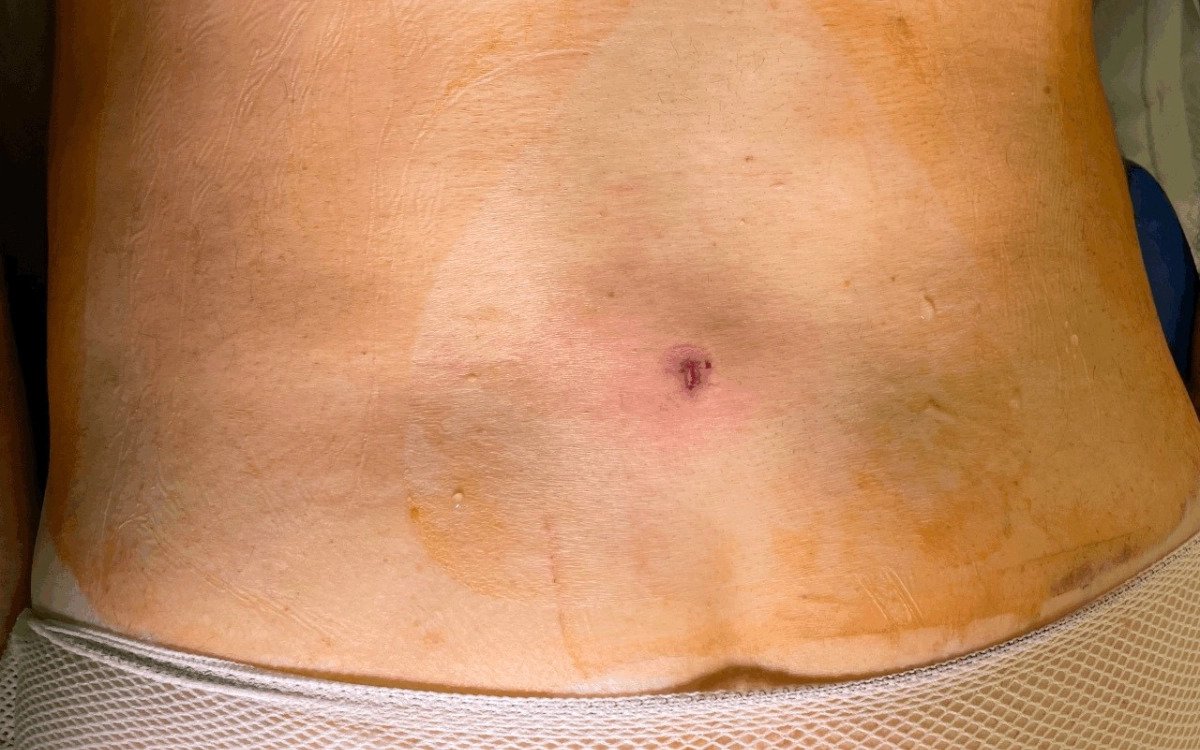
Some spinal conditions may be treated using minimally invasive surgical techniques. These approaches generally use smaller incisions and specialised instruments, with the aim of limiting disruption to surrounding tissues. Depending on the diagnosis, procedures may involve removing material that is compressing a nerve or stabilising part of the spine.
Not every patient is suitable for minimally invasive surgery, and a smaller incision does not automatically make an operation safer or more effective. The appropriate technique depends on the specific anatomy, condition, and surgical objectives. Patients should discuss expected outcomes, possible complications, recovery requirements, and alternative approaches with their surgeon.
When Spine Surgery May Be Necessary
Surgery may be considered when a clearly identified spinal problem causes significant symptoms that do not improve with appropriate conservative treatment. It may also be recommended when there is serious or progressive nerve compression or certain structural problems requiring correction.
The decision should be based on a careful assessment of potential benefits and risks. Patients should understand what the operation is intended to achieve, what symptoms may remain, and how long recovery could take. When appropriate, asking about a second opinion can help patients feel more confident about a major treatment decision.
Everyday Habits That Support a Healthy Spine
Medical treatment is only one part of spinal health. Daily habits can influence posture, mobility, muscle strength, and the way the back responds to physical demands. Although lifestyle changes cannot correct every spinal condition, they can support general musculoskeletal health.
Regular movement is helpful for most people with back discomfort. Walking, swimming, and suitable strengthening exercises may improve fitness and support the muscles around the spine. The right activity depends on the diagnosis, so people with significant pain or nerve symptoms should seek advice before beginning a demanding exercise programme.
Workstation habits also matter. If you spend long hours sitting, adjust your chair and screen so that you can maintain a comfortable position. Take regular movement breaks instead of staying in one posture throughout the day. When lifting objects, keep the load close to your body and avoid twisting while carrying heavy items.
Maintaining a healthy weight, avoiding smoking, and getting adequate sleep can also support overall spinal and bone health. Consistency is more useful than trying to make dramatic changes overnight. Small, sustainable habits can make it easier to remain active over time.
Conclusion
Back and neck problems can have many causes, and the right treatment starts with understanding what is actually happening. Whether symptoms involve a slipped disc, sciatica, spinal stenosis, degenerative changes, or another condition, an accurate assessment helps guide appropriate care. Many patients benefit from non-surgical treatment, while selected cases may require specialist procedures or surgery.
When looking for a spine specialist in Al Ain, consider professional licensing, relevant experience, clear communication, and access to suitable diagnostic and treatment facilities. Most importantly, choose a specialist who explains the options and develops a plan around your individual needs. Taking persistent symptoms seriously and seeking timely medical advice can help protect mobility and support a better quality of life.