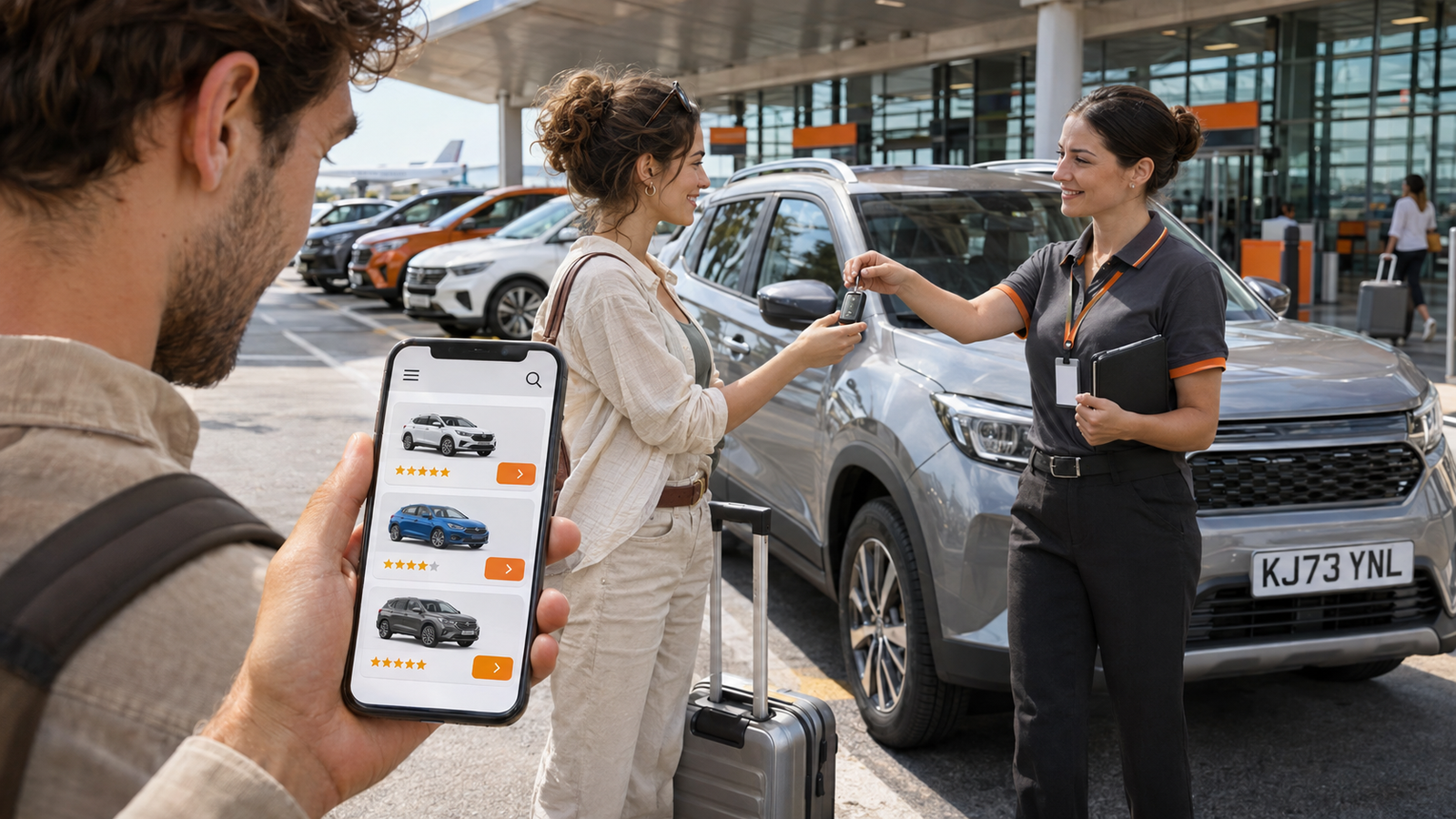


Renting a car used to mean calling several agencies, comparing opaque quotes, and hoping the price at the counter matched the one online. Car rental marketplaces have changed that experience by putting availability, total-cost details, pickup locations, and rental conditions in one place. For travelers planning a panama rent car trip, this shift matters most where local requirements, insurance rules, and road conditions can differ sharply from what visitors expect at home.
YalaRide is one example of a marketplace designed to help travelers compare rental options rather than navigate each supplier separately. The broader trend is straightforward: rental platforms are becoming more useful when they make the practical details visible before a traveler commits.
What a Rental Marketplace Actually Changes
A traditional rental booking often requires visiting several supplier websites, entering the same trip details repeatedly, and interpreting different labels for insurance, deposits, mileage, and cancellation terms. A marketplace consolidates those choices into a comparable format, so travelers can see more than a headline daily rate.
The most valuable improvements are usually practical rather than glamorous:
- Clearer presentation of the pickup point, opening hours, and whether an airport shuttle is required
- Side-by-side visibility of vehicle class, transmission, luggage capacity, and supplier
- A more complete view of mandatory coverage, optional protection, security deposits, and payment-card requirements
- Easier comparison of cancellation, fuel, mileage, and additional-driver policies
- A single starting point for reviewing options across multiple rental companies
None of this removes the need to read the rental agreement. It simply makes it easier to identify the differences that affect the real cost and convenience of a trip.
Why Panama Is a Useful Test Case
Panama illustrates why marketplace transparency has become important. Visitors commonly arrive through Tocumen International Airport in Panama City, then rent a vehicle for city travel, day trips, or a longer route toward the Caribbean coast. Panama’s national tourism authority notes that car rentals are available in both Panama City and Colón, and describes the drive between the two as roughly an hour.
That makes Car rental in Colón particularly relevant for cruise passengers and travelers heading toward Portobelo, the Caribbean beaches, or onward routes. A visitor arriving by cruise ship may have limited time, unfamiliar roads, and a need to understand exactly where the vehicle can be collected and returned. A marketplace that shows location, supplier terms, and vehicle details before booking can reduce the guesswork.
For travelers searching for a panama rent car option, the useful question is not only “What is the lowest daily rate?” It is: “What will I need to present, what protection applies, and what could change the final bill?”
The Details That Matter Before Pickup
Rental companies in Panama commonly require a valid driver’s license from the renter’s home country, a passport, and a major credit card in the renter’s name. Major suppliers also publish location-specific age and protection requirements, which can vary by branch and vehicle category.
License, age, and identification
A valid home-country license is generally the starting point, but rental-company rules can be stricter than national driving rules. For example, Sixt states that renters and approved drivers must hold a full valid license for at least one year, and that residents of Panama for more than three months must present a Panamanian license.
Travelers should also check the minimum age before booking. Enterprise lists a minimum age of 25 at its Panama City Tocumen location, while Sixt lists different minimum ages depending on vehicle category. These are supplier policies, not universal Panamanian legal requirements, so the terms attached to the specific booking matter.
Insurance and protection
This is where travelers most often encounter confusion. Panama requires mandatory basic traffic-accident coverage, commonly referred to as SOAT, for vehicles. That coverage is not the same as comprehensive protection for damage to the rental vehicle, theft, or liability exposure beyond the policy’s limits.
Major rental companies operating in Panama commonly require collision and theft protection unless the renter can provide written proof that their credit card coverage is valid in Panama for the rented vehicle type. Enterprise, Alamo, and Sixt all describe this type of requirement in their Panama rental information.
The practical takeaway is simple: a credit card benefit may help, but “my card includes rental coverage” is not enough on its own. Travelers should obtain written confirmation from the card issuer that the coverage applies in Panama, covers the relevant vehicle type, and meets the rental company’s documentation requirements.
Marketplace Transparency Reduces Cost Surprises
The biggest complaint in car rental is rarely the base rate. It is the gap between the advertised price and the amount charged at pickup. Marketplaces improve the experience when they make the conditions behind that gap easier to see.
| Rental detail | Why it matters |
| Security deposit | A high hold on a credit card can affect available spending during the trip |
| Insurance excess | Determines what the renter may owe if the vehicle is damaged or stolen |
| Fuel policy | A full-to-full policy is usually easier to verify than vague refueling terms |
| Mileage allowance | Matters greatly for longer drives outside Panama City |
| Cross-border or ferry restrictions | Can make an apparently cheap rental unsuitable for a planned route |
| Additional-driver fee | Important for couples, families, and business travelers sharing driving |
| Cancellation terms | Determines whether a changed flight or itinerary creates an avoidable loss |
A marketplace does not eliminate every fee, but it can make the differences visible earlier. That is especially valuable in Panama, where a rental may be used for a compact city itinerary one day and a longer coastal or highland route the next.
Colón: A Practical Example
Colón is more than a transit point. It is the gateway to parts of Panama’s Caribbean coast, including Portobelo, and it sits on the opposite side of the country from Panama City. Visit Panamá identifies car rental as available in both cities and describes the drive between them as about an hour.
For a traveler planning Car rental in Colón, the important questions are often logistical:
- Is the pickup office near the cruise terminal, hotel, or intended route?
- Can the car be returned at a different location if the itinerary ends in Panama City?
- Does the rental agreement permit travel on the planned roads?
- Is the vehicle suitable for luggage, passengers, and the type of terrain involved?
- Are the insurance and deposit terms clear before arrival?
These questions matter more than the vehicle’s model name. A small economy car may be ideal for city driving but less suitable for a group with dive gear, beach equipment, or several large suitcases.
What Better Marketplaces Should Show
The most traveler-friendly platforms do more than display a low price. They make the conditions that determine the experience easier to evaluate before payment.
A useful listing should make these points easy to find:
- Total rental conditions, including mandatory protection, optional coverage, and deposit expectations
- Pickup practicalities, such as office hours, airport transfer arrangements, and after-hours procedures
- Vehicle suitability, including transmission, passenger capacity, luggage space, and supplier category
- Restrictions, including geographic limits, ferry rules, additional-driver requirements, and prohibited uses
- Cancellation and modification terms, written in plain language rather than buried in a lengthy policy document
- Supplier identity, so travelers know who operates the vehicle and whom to contact if an issue arises
YalaRide fits into this model as a marketplace that lets customers compare rental options from different operators. The value is not that it replaces due diligence; it is that it gives travelers a more efficient starting point for that due diligence.
How to Use a Marketplace Wisely
A marketplace is most useful when travelers treat it as a comparison tool, not a substitute for reading the final terms.
- Search by route and dates first. Availability, pricing, and pickup conditions can change substantially by date, especially around holidays, cruise-call days, and peak travel periods.
- Compare the full protection picture. Look beyond the daily rate to mandatory coverage, optional waivers, deductibles, and whether credit-card coverage is accepted.
- Check the pickup location carefully. An airport office may be convenient for one itinerary but less useful for a traveler staying in Panama City or arriving by cruise in Colón.
- Confirm documentation before departure. Bring the physical license, passport, and payment card in the driver’s name; rental locations commonly require them at pickup.
- Photograph the vehicle at collection and return. Record existing damage, fuel level, mileage, and the condition of tires and glass. This does not replace the inspection process, but it creates a clear record.
- Read the cancellation and fuel terms. A slightly higher rate with clearer cancellation terms can be better value than a lower rate with restrictive conditions.
The Limits of Marketplace Convenience
Marketplaces improve discovery and comparison, but they cannot resolve every local issue. A platform can show that a vehicle is available, but it cannot guarantee that a particular credit-card benefit will satisfy a supplier’s documentation requirement. It also cannot make a vehicle suitable for every road, weather condition, or itinerary.
Travelers should therefore distinguish between three things:
- Legal requirements in Panama, such as mandatory basic traffic-accident coverage.
- Rental-company policies, such as minimum age, deposit, license duration, and proof of credit-card protection.
- Trip-specific needs, such as luggage space, route restrictions, and whether a different drop-off location is necessary.
Understanding that distinction prevents a common mistake: assuming that a booking confirmation alone settles every condition at the rental desk.
A More Practical Way to Rent
Car rental marketplaces are becoming more traveler-friendly because they shift useful information earlier in the journey. Instead of discovering a deposit requirement, insurance condition, or pickup limitation at the counter, travelers can assess those factors while planning.
For Panama, that shift is especially helpful. The country offers an appealing mix of city, canal, Caribbean, and highland itineraries, but a rental decision should account for local documentation, protection requirements, and route practicality. A traveler who compares the full terms, rather than only the headline price, is more likely to end up with a vehicle that fits the trip rather than one that creates problems after arrival.
Frequently Asked Questions
Do I need an international driving permit to rent a car in Panama?
Rental companies generally require a valid license from the renter’s home country, and some also require the license to have been held for a minimum period. Requirements can vary by supplier and location, so check the specific rental terms before booking.
Is insurance included when I rent a car in Panama?
Basic mandatory traffic-accident coverage is required for vehicles in Panama, but it is not the same as full protection against rental-vehicle damage or theft. Many suppliers also require collision and theft protection unless the renter provides written proof that credit-card coverage is valid in Panama for the vehicle type.
Can I rent a car in Colón if I arrive by cruise ship?
Yes, car rental is available in Colón, and Visit Panamá describes the drive between Panama City and Colón as approximately one hour. Cruise travelers should confirm pickup hours, terminal access, return location, and whether the office can accommodate a delayed ship schedule.
What should I check besides the daily rental price?
Check the security deposit, insurance excess, mileage allowance, fuel policy, cancellation terms, additional-driver fee, pickup location, and any travel restrictions. These details often have a greater effect on the final cost and convenience than the advertised daily rate.
How does YalaRide help with car rental comparisons?
YalaRide is a marketplace that allows customers to compare rental options from different operators. It can help travelers review availability and rental choices in one place, though they should still review the supplier’s final terms before confirming a booking.