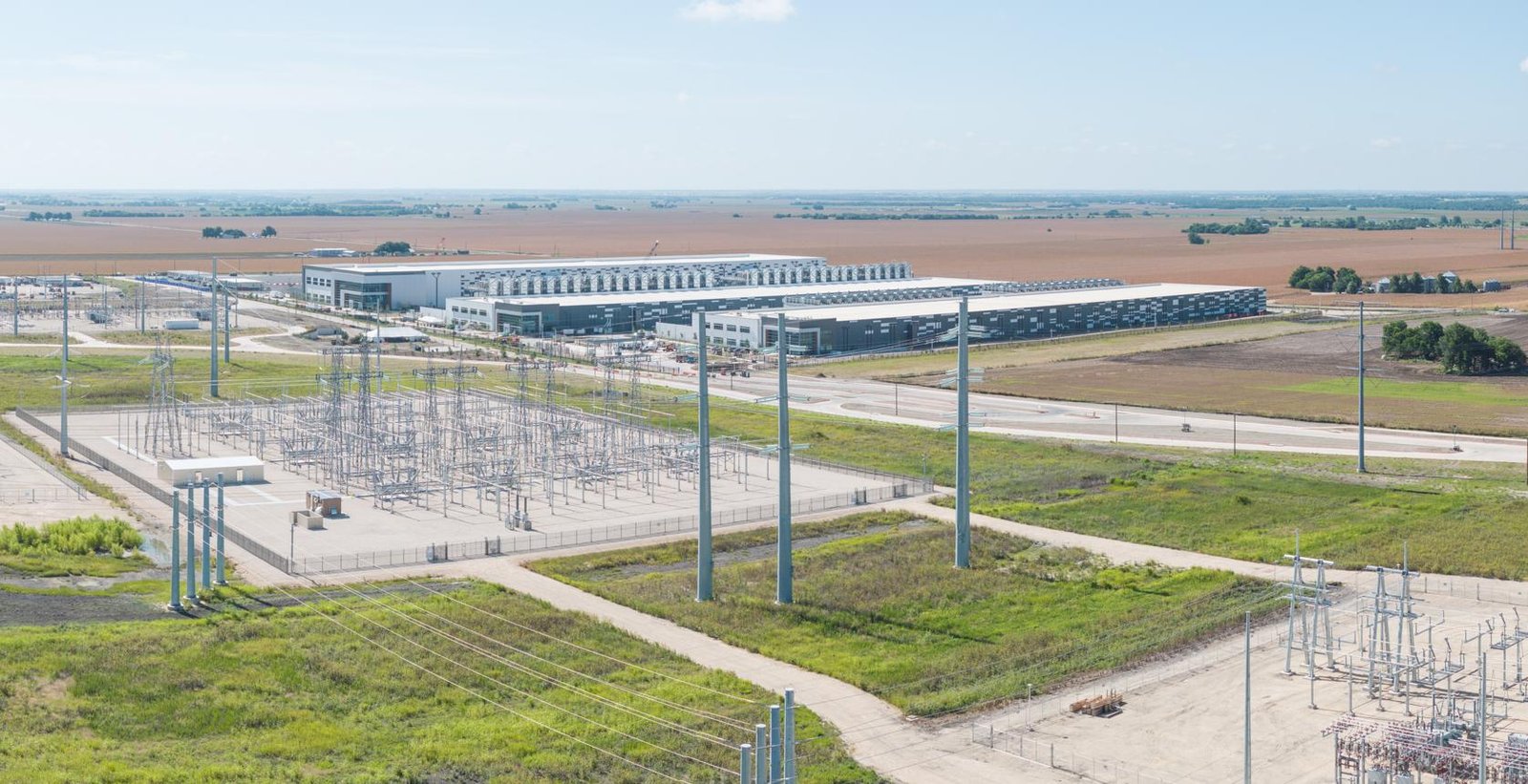


The rapid expansion of cloud computing, artificial intelligence (AI), digital services, and enterprise applications is transforming the way businesses consume electricity. Behind every online transaction, AI model, video stream, and cloud-based application is a data center that requires a continuous and dependable power supply. As these facilities become larger and more energy-intensive, securing sufficient electricity is becoming one of the most important challenges for developers and utility providers.
Meeting these requirements involves much more than connecting a facility to the nearest power line. It requires detailed utility coordination, electrical system assessments, transmission planning, and long-term infrastructure investments. Effective utility planning helps ensure that new data centers receive the capacity they need without creating unnecessary stress on the surrounding power grid.
1. Why Data Centers Are Creating New Electricity Challenges
Modern data centers operate thousands of servers, networking devices, cooling systems, backup equipment, and other electrical loads. Unlike many conventional commercial buildings, these facilities can require electricity around the clock, often with very little tolerance for interruptions.
AI-focused data centers add another layer of complexity. High-performance computing equipment consumes substantial electricity and generates considerable heat, increasing the demand for both server power and cooling infrastructure. As operators expand their facilities, their electrical requirements can grow from several megawatts to hundreds of megawatts across large campuses.
This growth creates challenges for utilities responsible for maintaining adequate generation, transmission, and distribution capacity. Existing substations may not have enough available capacity, while nearby transmission lines could require upgrades to accommodate additional demand.
The challenge is not simply producing more electricity. Utilities must determine where the demand will occur, when it will become operational, and how the existing grid can accommodate it while maintaining reliability for other customers.
2. The Importance of Large-Load Grid Planning
Effective large-load grid planning allows utilities and data center developers to evaluate major electricity requirements before construction and equipment procurement move too far forward. Early planning helps identify potential capacity limitations, infrastructure upgrades, and interconnection requirements.
The process typically begins with a detailed load forecast. Developers provide information about expected electrical demand, facility expansion phases, anticipated commissioning dates, and operating characteristics. Utilities use this information to assess the potential impact on their transmission and distribution networks.
Power system studies then evaluate several important factors, including load flow, voltage performance, short-circuit levels, contingency conditions, and system stability. These assessments help engineers determine whether existing infrastructure can support the proposed facility or whether additional substations, transformers, transmission circuits, or feeder improvements are necessary.
Planning for future demand is equally important. A data center that initially requires 50 MW may eventually expand to 150 MW or more. Designing utility infrastructure around only the first development phase can result in expensive modifications later.
A coordinated planning strategy considers both immediate requirements and anticipated growth, helping developers manage costs while giving utilities sufficient time to prepare their networks.
3. Designing Reliable Data Center Electrical Infrastructure
Reliable data center electrical infrastructure must support continuous operation under normal conditions, equipment failures, and planned maintenance activities. Even a short interruption can affect critical computing operations, making electrical system design a central part of data center development.
The utility connection is one of the first major considerations. Depending on the facility’s size and available grid capacity, the project may require dedicated substations, multiple transmission or distribution feeds, high-capacity transformers, and carefully coordinated protective equipment.
Engineers also evaluate redundancy requirements. Multiple power sources and independent electrical pathways can reduce the likelihood that a single equipment failure will interrupt the entire facility. However, redundancy must be designed carefully to avoid common points of failure.
Power quality is another important consideration. Uninterruptible power supply (UPS) systems, rectifiers, variable-frequency drives, and other electronic equipment can introduce harmonic distortion and affect electrical performance. Engineers must evaluate these characteristics and determine whether harmonic filters or other mitigation measures are needed.
Backup generators and battery energy storage systems can provide additional resilience during utility interruptions. Their integration requires proper protection, transfer schemes, grounding arrangements, and coordination with utility operating requirements.
The goal is to create an electrical architecture that supports dependable operation while remaining compatible with the wider utility network.
4. Understanding CenterPoint Energy Data Center Planning
The Houston region illustrates why utility coordination is especially important for large data center developments. As demand from digital infrastructure and other major electricity users increases, developers must understand the requirements of the serving utility early in the project lifecycle.
CenterPoint Energy data center planning provides a useful example of the coordination needed between a large-load customer and an electric utility. Developers must work with the utility to evaluate available service capacity, identify suitable connection points, determine service configurations, and understand the infrastructure improvements required to support the proposed load.
For projects within the CenterPoint Energy service territory, early engineering coordination can help address primary service requirements, substation considerations, protection arrangements, and power-quality expectations. Large facilities may also need multiple services or dedicated utility infrastructure, depending on their electrical demand and the capabilities of the existing network.
Another important consideration is the utility’s design and approval process. Equipment specifications, electrical one-line diagrams, load information, protective relay settings, and harmonic studies may need to be reviewed before construction or energization.
Developers should also distinguish between distribution-level service planning and transmission-level interconnection studies. A project connected at distribution voltage can still have broader transmission system impacts because of its overall size. Consequently, coordination with the utility and applicable regional grid-planning organizations is essential.
Addressing these requirements early helps reduce design changes, improve project scheduling, and establish a more realistic understanding of connection costs.
5. Managing Infrastructure Costs, Timelines, and Future Expansion
One of the biggest challenges in large data center development is aligning construction schedules with utility infrastructure delivery. Data center buildings and computing equipment can sometimes be deployed faster than major electrical infrastructure can be planned, approved, and constructed.
New substations, transmission lines, and high-voltage equipment require engineering studies, land arrangements, permitting, procurement, and construction. Long-lead electrical components can further affect project schedules.
Phased energization offers a practical solution. Instead of requesting the entire electrical capacity at once, developers can coordinate staged power delivery that matches facility construction and commissioning milestones. This approach helps utilities allocate resources more effectively while allowing data center operators to bring capacity online progressively.
Developers should also evaluate the financial implications of utility upgrades. Understanding which improvements are required for the initial connection, which support future expansion, and how costs are allocated can improve investment decisions.
Long-term planning should account for potential increases in server density, cooling requirements, AI workloads, and additional buildings. Flexible substation layouts, expandable bus arrangements, and appropriately sized equipment can help accommodate future demand without requiring a complete redesign.
On-site generation and battery storage may also support operational resilience or specific grid requirements. However, these resources should complement a coordinated utility strategy rather than replace proper interconnection planning.
6. How Engineering Expertise Supports Reliable Power Delivery
Successfully connecting a large data center requires collaboration among developers, utilities, electrical engineers, equipment manufacturers, and grid operators. Each participant contributes information that helps establish a technically sound and commercially practical connection strategy.
Specialized engineering support can include load forecasting, transmission and distribution studies, substation design, short-circuit analysis, protection and coordination studies, harmonic assessments, and power system modeling. These services help identify technical risks before they become expensive construction or operational problems.
At Keentel Engineering, a structured engineering approach can help data center developers evaluate electrical requirements, understand utility interconnection challenges, and plan infrastructure that supports both present and future demand.
Early technical assessments are particularly valuable because they help align the facility’s electrical design with utility requirements before major project commitments are made.
As data centers continue to expand, reliable electricity will remain essential to the digital economy. Strategic utility planning, accurate power system studies, and well-designed electrical infrastructure provide the foundation for meeting this growing demand while supporting grid reliability.
Conclusion
Meeting the power demands of large data centers requires a coordinated approach that connects facility development with long-term utility planning. From load forecasting and grid impact studies to substation design and phased energization, every decision influences project cost, schedule, and reliability. By engaging utilities early and investing in comprehensive engineering assessments, developers can build data centers that meet demanding operational requirements while supporting a stronger and more resilient power grid.