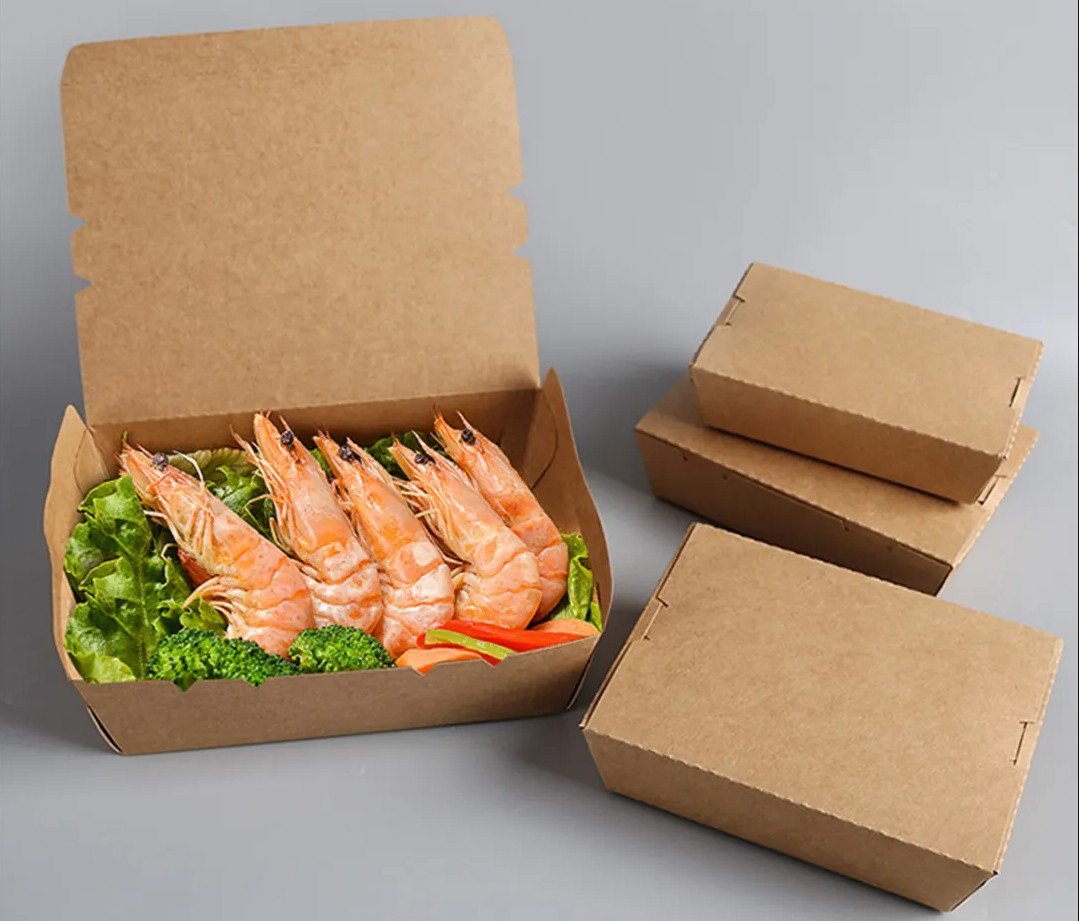


Seafood punishes weak packaging faster than any other food category. A fillet sweats, a crab leaks, a courier van sits in traffic for forty minutes, and suddenly your premium product looks like a bargain-bin mistake. Fishmongers, smokehouses and online shellfish retailers all tell me the same story: the packaging decision sits somewhere between a nuisance and a crisis. It deserves better attention than that, because the box protects both the cold chain and your reputation. This guide sets out the practical choices that separate reliable consignments from refund requests, and it starts with the fundamentals of custom seafood packaging boxes.
Why Seafood Demands a Different Approach
Fresh fish sits in a narrow temperature band, typically between 0°C and 2°C on melting ice. Get above 4°C for long enough and spoilage bacteria multiply quickly, which is why insulated seafood packaging must hold temperature for the full journey, not just the first hour.
Water is the second problem. Seafood releases purge, ice melts, and condensation forms whenever a cold box meets warm air. Standard retail cartons soften within minutes under those conditions, so you need wet-strength materials and a leak-proof barrier as standard.
Weight compounds everything. A box of oysters or a whole salmon tests stacking strength in a way that a cake box never will. Design for the heaviest product you intend to ship, then add a safety margin.
Matching Materials to the Job
Wet-strength corrugated handles most chilled distribution work. Ask specifically for a water-resistant adhesive and a moisture-resistant liner, because standard corrugated loses up to half its compression strength when damp. Printed fish boxes in this specification suit short journeys, farm shop sales and market traders.
EPS and insulated liners carry temperature control for longer distances. Expanded polystyrene remains the cheapest performer per hour of protection, though its recycling record makes some buyers wince. Wool-cool liners, recycled paper insulation and vacuum insulation panels offer credible alternatives, and your courier’s chilled service may already dictate which one you use.
Vacuum pouches and absorbent pads do the work inside the box. A vacuum-sealed fillet resists leakage, while an absorbent pad soaks up any residual purge before it reaches the board. Pair them with a food-grade polythene liner if you ship shellfish, because crabs and lobsters trap water in their shells that drains out in transit.
Rigid presentation boxes suit smoked salmon, gift hampers and corporate orders. These products travel short distances and sell on appearance, so a magnetic closure and a clean interior finish justify the extra unit cost.
Solving Leaks, Odour and Condensation
Leak-proof seafood packaging begins with a liner, not with the box. A simple polythene bag or a heat-sealed pouch contains liquid, and the box then handles structure and branding. Never rely on a coated board alone when you ship whole fish.
Odour control matters more than most suppliers admit. Seafood aromas cling to corrugated flutes, and a customer who opens a box that smells of yesterday’s mackerel will not order again. Keep a dedicated stock of boxes for each product type, and avoid storing packaging near the fish prep area.
Ventilation needs careful thought. Live shellfish requires airflow, while chilled fillets benefit from a closed, insulated environment. Decide which product each box serves before you approve a vent pattern, because the wrong choice either suffocates the product or lets warmth straight in.
Getting Compliance and Labelling Right
Food contact materials must meet UK regulations, and your supplier should provide a declaration of compliance without prompting. Food-grade inks and coatings belong on the outer surface only, and any liner touching the fish must carry its own certification.
Labelling catches out plenty of growing businesses. You must show allergen information, and crustaceans and molluscs appear on the fourteen major allergens list, so crab, prawn and scallop products need clear emphasis. Prepacked products require a full ingredients list, weight, best-before date, storage instructions and the name and address of your business. Add catch area and production method details if you market on provenance, because buyers increasingly ask.
Traceability underpins everything else. Print batch codes and a QR code linking to your catch or harvest records, and you gain a genuine selling point alongside a compliance safeguard.
Design That Sells Chilled Seafood
Retail shelves reward contrast. Deep navy, ice blue and chalk white read as fresh, while a single strong illustration outperforms a busy layout every time. Keep the logo large enough to spot from a metre away.
Online sales depend on the reveal. A printed sleeve that slides off an insulated liner gives the customer a brand moment before they reach the ice packs. Include a reorder card and a serving suggestion, because repeat purchase drives profitability in seafood retail.
Hampers and gifting open a higher-margin channel. Oysters, dressed crab and smoked salmon all sell well as gifts when the packaging looks presentable enough to hand over unwrapped. Design that box as a separate line rather than adapting your standard shipping carton.
Sustainability That Stands Up to Scrutiny
Buyers check claims, and seafood customers tend to be particularly engaged on environmental issues. Say “widely recyclable” or “FSC-certified board” only when you can evidence it and follow the On-Pack Recycling Label guidance so households know what to do with each component.
Separate your materials clearly. A box with a plastic liner and a paper sleeve confuses the recycling stream unless you label each part. Water-based inks and uncoated board reduce impact cheaply, and switching from EPS to paper-based insulation makes a defensible claim rather than a decorative one.
Avoid the word compostable unless the material holds EN 13432 certification. One overreach on a supermarket listing can undo years of careful positioning.
Costing, Quantities and Lead Times
Digital print makes short runs viable, with minimum orders typically between 100 and 500 units. Litho printing wins on price once you pass roughly 1,000 boxes, so forecast twelve months of volume before choosing a process. Factor in liners, pads and ice packs as separate line items, because they often account for a third of your total packaging spend.
Lead times run two to four weeks for printed cartons and longer for rigid or bespoke insulated formats. Demand peaks around Christmas, Valentine’s Day and the summer shellfish season, so book your production slots early. Flat-packed cartons store cheaply; insulated boxes consume serious warehouse space.
Test Before You Commit
Pack a real consignment and send it to yourself through your usual courier. Insert a temperature logger alongside the product, then check the readings on arrival. Repeat the test in July and again in January, because performance shifts with ambient conditions.
Drop the box from waist height, leave one in a warm office for two hours, and inspect the base for moisture. Photograph the results beside a competitor’s packaging and ask five regular customers which they prefer. That afternoon of testing prevents the costliest mistake in this category: a thousand boxes that fail the moment they leave your door.
Final Thoughts
Strong packaging earns its money through fewer spoilage claims, better shelf presence and access to gifting and wholesale markets. Match materials to the journey, control liquid at source, and keep labelling beyond reproach. Do that properly and your boxes become a commercial asset rather than a line in the accounts.
Ready to protect your catch?
Send us your product weights, journey distances and artwork brief, and our team will recommend a specification with a sample quote within two working days. Have you switched from EPS to a paper-based insulation yet, and how did your customers react? Share your experience in the comments below so other seafood businesses can learn from it.