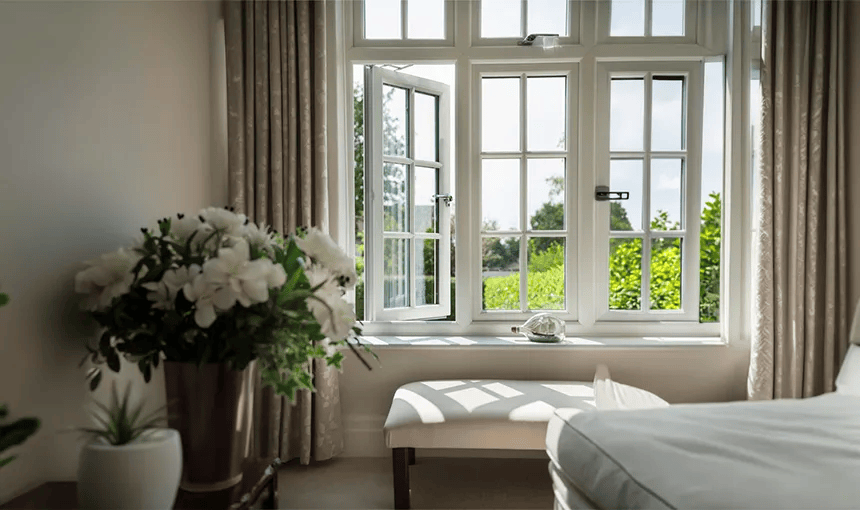


Windows influence a home’s comfort, appearance, and functionality. Beyond providing natural light, they support ventilation, outdoor visibility and indoor temperature management. Among the options, casement windows remain a popular choice for homeowners who want traditional appeal with modern functionality. Their hinged construction, versatile designs and effective sealing capabilities make them suitable for different residential spaces. Understanding the benefits can help homeowners choose windows that complement their interiors while meeting everyday practical needs.
What Are Casement Windows?
Casement windows attach to their frames with side-mounted hinges and generally open outward. However, inward-opening configurations are also available. They can feature single or multiple panels, depending on the available space and architectural requirements.
Unlike sliding configurations, these windows open through a hinged mechanism. This allows a relatively wide opening for ventilation and provides convenient access for operation. Their straightforward construction suits both contemporary and traditional homes, making them a versatile choice for residential renovations.
Key Benefits of Casement Windows for Modern Homes
Casement Windows offer several practical advantages that contribute to everyday comfort and functionality. Their construction supports ventilation, natural lighting and weather protection while accommodating different architectural preferences.
1. Improved Natural Ventilation
They can open widely, allowing fresh air to circulate through indoor spaces. Depending on their position and opening direction, they can also help capture passing breezes. This makes them particularly suitable for kitchens, bedrooms and living areas where regular airflow is desirable.
2. Better Energy Efficiency
When closed, casement windows typically press against their frames, creating a compression seal that helps limit unwanted air leakage. According to the US Department of Energy, these windows generally have lower air leakage rates than sliding windows because of this sealing mechanism. However, overall thermal performance also depends on glazing, frame construction and installation quality.
3. Increased Natural Lighting
Casement configurations can accommodate relatively large glass panels, allowing daylight to enter living spaces. Slim frame profiles may also improve outdoor visibility. Their suitability depends on window dimensions, structural requirements, and the surrounding environment.
4. Timeless Architectural Appeal
Another benefit is their clean lines and balanced proportions, which complement various residential interior styles. Homeowners can choose different frame materials, colours, and finishes to create a consistent look throughout their homes. Their adaptable design makes them suitable for both traditional renovations and modern residential layouts.
5. Convenient Operation and Maintenance
These windows generally use handles or operating mechanisms that allow controlled opening and closing. Accessible handles and properly fitted hinges support convenient everyday use. Regular cleaning, lubrication and inspection of fittings can help maintain smooth operation.
Together, these advantages make casement configurations a practical option for homeowners considering long-term comfort, appearance and ease of use.
How Casement Windows Complement Modern Interior Design
Window styles should complement the surrounding architectural elements rather than appear disconnected from the overall design. Homeowners considering the Latest Door Design trends can create visual consistency by coordinating frame colours, finishes and proportions across openings.
For example, matching neutral-coloured frames can establish a balanced appearance between living areas and adjoining balconies. Glass selection also influences the overall look. Clear glazing supports outdoor visibility, while frosted or patterned options provide additional privacy where required.
What Should Homeowners Consider Before Installation?
Selecting suitable windows requires careful evaluation of practical requirements and environmental conditions. Homeowners should consider the following factors before installation.
- Measure window openings accurately to ensure proper fitting.
- Check the available clearance for outward or inward movement.
- Consider choosing durable frames and corrosion-resistant hinges.
- Consider glazing that supports thermal comfort and natural lighting.
- Evaluate locking mechanisms and child safety requirements.
- Ensure weather sealing is appropriate for local conditions.
- Arrange correct installation to minimise operational problems.
Considering these factors can help homeowners improve functionality while reducing avoidable maintenance concerns.
Must Read: Is Choosing Aluminium Windows for Your Home a Better Idea?
Conclusion
Casement windows combine traditional visual appeal with practical features that support comfortable residential living. The important factors like hinged construction, ventilation capabilities and effective sealing make them suitable for different rooms and architectural styles.
Homeowners should assess window placement, frame materials, glazing and installation requirements before making a decision. Choosing an appropriate configuration can help improve natural lighting, airflow and everyday convenience while maintaining a consistent interior appearance.