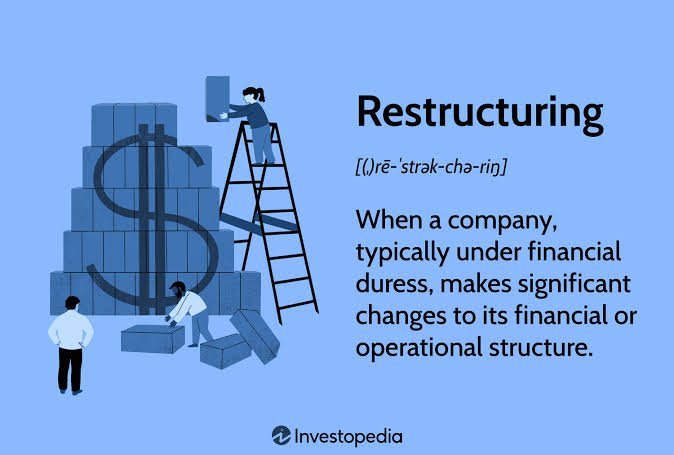


Businesses rarely remain the same throughout their lifecycles. Changes in market conditions, ownership, financial performance, technology, and customer expectations can create situations where an existing organizational structure no longer supports company objectives. When this happens, restructuring may help business owners improve operations, address financial challenges, and prepare for future opportunities.
For companies operating in Naples, Florida, strategic planning is particularly important as businesses respond to changing economic conditions and competitive pressures. Whether an organization wants to streamline operations, reorganize ownership, manage debt, or prepare for expansion, understanding the legal and financial implications of restructuring can help leaders make informed decisions.
What Is Corporate Restructuring?
Corporate restructuring is the process of making significant changes to a company’s financial, operational, ownership, or organizational arrangements. The objective is generally to improve business performance, address existing difficulties, or create a structure that better supports future goals.
Restructuring can involve several different approaches, depending on the company’s circumstances:
- Financial restructuring: Revising debt arrangements, renegotiating payment obligations, or changing capital structures to improve financial stability.
- Operational restructuring: Adjusting departments, staffing, workflows, or business processes to improve efficiency.
- Organizational restructuring: Changing management responsibilities, reporting relationships, or internal leadership arrangements.
- Ownership restructuring: Modifying shareholder interests, transferring ownership, or reorganizing relationships among business partners.
- Legal restructuring: Changing the company’s legal structure, combining entities, or separating business operations into different entities.
These approaches are not interchangeable. A company experiencing cash-flow difficulties may require a different strategy from one preparing for a merger or ownership transition.
Common Reasons Businesses Consider Restructuring
Restructuring is not necessarily a sign that a company is failing. Many financially healthy organizations use it to adapt to changing circumstances and improve their competitive position.
Several situations may encourage business owners to reconsider their existing structure.
Financial pressure: Rising operating costs, outstanding debt, reduced revenue, or inconsistent cash flow can make the existing financial arrangement difficult to maintain. Restructuring may help identify more sustainable obligations and improve financial planning.
Business expansion: A growing company may need additional management layers, revised ownership arrangements, or separate entities for different business activities.
Changes in ownership: Retirement, succession planning, disagreements among shareholders, or the departure of a business partner may require adjustments to ownership and governance documents.
Mergers and acquisitions: Combining companies or acquiring another business can create a need to consolidate operations, review contracts, and reorganize corporate entities.
Changing market conditions: New technology, customer expectations, and industry developments may make certain departments or operating models less effective.
Identifying the underlying reason for restructuring is essential because it helps determine which changes are necessary and how they should be implemented.
Important Legal Considerations During a Restructuring
Corporate restructuring involves more than changing an organizational chart or revising financial projections. Legal obligations must be considered throughout the process to protect the company, its owners, employees, and creditors.
Businesses should review existing contracts to identify provisions that may be affected by changes in ownership, control, or corporate structure. Certain agreements may require advance notice, consent, or renegotiation before a transaction can proceed.
Employment matters also deserve attention. Changes involving staffing, compensation, responsibilities, or workplace arrangements must comply with applicable employment laws and contractual obligations.
Tax consequences are another important consideration. Asset transfers, mergers, ownership changes, and entity conversions may create federal or state tax implications. A restructuring strategy should therefore be evaluated with appropriate legal and tax professionals before implementation.
Companies with outstanding loans should also review financing agreements. Some contracts contain restrictions on asset transfers, ownership changes, or significant business transactions. Ignoring these provisions can create unnecessary disputes or financial complications.
How Legal Guidance Supports a Successful Restructuring
A restructuring plan may involve several interconnected legal and commercial decisions. Business owners need to understand how proposed changes affect their existing obligations and future responsibilities.
An attorney experienced in corporate restructuring Naples businesses may require can help evaluate organizational options, review governing documents, assess contractual risks, and coordinate legal aspects of the restructuring process.
Legal support may include:
- Reviewing articles of incorporation, operating agreements, and shareholder arrangements.
- Evaluating mergers, acquisitions, and business reorganizations.
- Preparing resolutions, amendments, and transaction documents.
- Identifying contractual obligations affected by proposed changes.
- Addressing ownership transfers and governance arrangements.
- Reviewing potential creditor, employment, and regulatory issues.
Depending on the complexity of the transaction, attorneys may coordinate with accountants, financial advisors, valuation professionals, and other specialists. This collaborative approach can help ensure that legal decisions align with the company’s financial and operational objectives.
Preparing a Business for a Merger or Acquisition
Mergers and acquisitions are common reasons for restructuring. A business may acquire another company to expand its customer base, enter a new market, obtain valuable technology, or strengthen its competitive position. Alternatively, owners may decide to sell their company as part of a retirement or succession strategy.
Before completing a transaction, businesses should conduct due diligence. This process involves examining financial statements, outstanding liabilities, contracts, litigation, employment matters, intellectual property, and regulatory compliance.
The parties must also determine whether the transaction should involve an asset purchase, stock purchase, merger, or another legal arrangement. Each option has different implications for ownership, liabilities, taxes, and operational continuity.
Careful preparation can help identify potential problems before closing and support more informed negotiations.
Financial Restructuring and Long-Term Stability
Companies experiencing financial difficulties may consider restructuring their obligations to improve their ability to continue operating. Depending on the circumstances, this could involve negotiating revised payment schedules, refinancing debt, selling nonessential assets, or changing the company’s capital structure.
In more serious situations, businesses may need to evaluate formal insolvency or bankruptcy options. Federal bankruptcy law provides different procedures for eligible businesses, including Chapter 11 reorganization. However, these processes involve specific eligibility requirements, court procedures, creditor rights, and disclosure obligations.
Financial restructuring should be based on realistic projections rather than temporary solutions. Business leaders should evaluate revenue expectations, operating expenses, available resources, and outstanding obligations before committing to a new financial arrangement.
Steps to Make the Restructuring Process More Effective
A structured approach can reduce confusion and help business owners manage the transition.
- Assess the existing business: Review financial performance, organizational responsibilities, ownership arrangements, and contractual commitments.
- Define clear objectives: Identify whether the priority is improving profitability, resolving debt, expanding operations, or preparing for a transaction.
- Compare available options: Evaluate the legal, financial, tax, and operational consequences of each proposed approach.
- Develop an implementation plan: Establish responsibilities, timelines, required approvals, and communication procedures.
- Monitor the results: Review performance after implementation and make adjustments when necessary.
Creating a Stronger Structure for Future Growth
Corporate restructuring can provide businesses with an opportunity to address weaknesses, improve efficiency, and adapt to changing priorities. However, successful results depend on careful planning and an understanding of the legal and financial responsibilities involved.
By identifying the reasons for change, reviewing existing obligations, and obtaining appropriate professional guidance, business owners can make more confident decisions about their company’s future. A well-planned restructuring strategy can help establish a more flexible organization, support long-term stability, and prepare a business for its next stage of development.