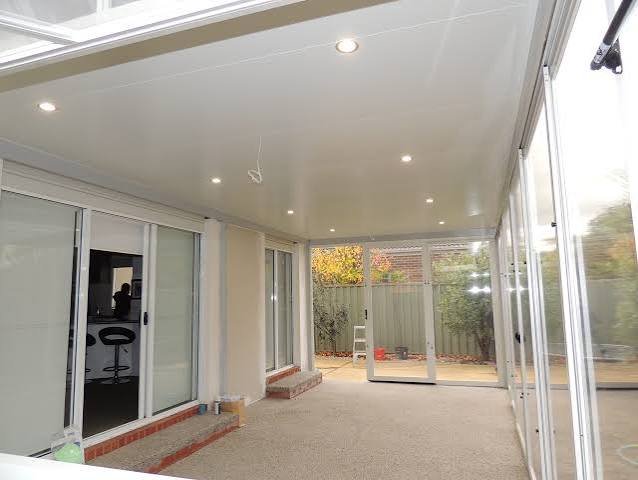


Melbourne summers bring bright sunshine and warm afternoons, making covered outdoor spaces valuable for everyday living. Roof materials influence how much solar heat reaches patios, verandahs and entertaining areas. Choosing insulated roofing panels in Melbourne can help homeowners manage overhead heat while creating shaded spaces for dining and relaxation. Understanding panel construction, roof design and installation requirements supports informed choices. Homeowners can then select roofing suited to local conditions and household needs.
How Insulated Roofing Panels Reduce Summer Heat
Insulated roofing panels typically combine metal outer sheets with a rigid insulating core. This core slows heat transfer through the roof, helping limit heat from sun-exposed surfaces from reaching the space below. Thermal resistance depends on the insulation material and thickness, as well as the overall roof assembly.
Solar radiation can make external roof surfaces considerably warmer than surrounding air. Reflective finishes can reduce absorbed solar energy, while insulation limits heat flow by conduction. Together, these features can improve comfort beneath a covered patio. Actual results vary with sunlight, roof geometry, airflow and surrounding surfaces.
Why Insulated Roofing Suits Melbourne’s Summer Conditions
Melbourne experiences changing summer conditions, including sunny days and occasional periods of intense heat. A covered outdoor area offers shade during afternoon gatherings and provides a defined place for meals or quiet activities. Insulated roofing can help moderate heat passing through the overhead covering during these periods.
Homeowners can consider how often they use the space. West-facing patios may receive strong afternoon sunlight, while north-facing areas experience different seasonal sun angles. Nearby walls, paving, and garden planting also affect local temperature. Assessing these details helps you choose the right roof.
Key Features to Consider When Choosing Insulated Roofing Panels
Panel specifications matter when comparing insulated roofing panels in Melbourne. Homeowners can assess the following features alongside the intended roof size and location:
- Insulating Core: Core material and thickness influence thermal resistance and panel performance.
- Roof Colour: Lighter or solar-reflective finishes can reduce heat absorbed from sunlight.
- Panel Span: Manufacturer span tables help you choose the right supports for each installation.
- Surface Finish: Durable coatings help protect metal surfaces against normal outdoor exposure.
- Roof Profile: Panel shape influences drainage, appearance and compatibility with roof details.
Comparing manufacturer specifications helps homeowners select panels that match their design and performance priorities.
How Roof Design Influences Outdoor Temperature
Roof orientation affects when and how intensely sunlight reaches an outdoor space. Extended eaves or suitable side shading can help limit low-angle afternoon sun. Roof height and open sides also influence how air moves around seating areas. These features, along with insulation, shape overall comfort.
Surrounding materials deserve attention as well. Dark paving may absorb solar energy and release warmth later in the day. Planting, permeable landscaping and thoughtful furniture placement can make shaded spaces more pleasant. Considering the entire setting helps homeowners plan a practical summer retreat.
Comparing Insulated Roofing Panels With Louvre Roof Systems
Fixed insulated panels provide continuous overhead coverage and thermal resistance through their core. Adjustable louvre roofs instead use movable blades to regulate sunlight and airflow. Performance depends on blade position, system design, and weather conditions. Both approaches can suit outdoor living, depending on the preferred balance of shade and flexibility.
When researching louvre roof cost in Australia, homeowners can compare roof dimensions, materials, controls and installation complexity. Insulated roofing quotations also depend on spans, supports, drainage and site access. Reviewing the features included in each quotation supports a meaningful comparison between systems.
Installation Considerations for Better Thermal Performance
Successful installation begins with an assessment of existing supports, roof loads and site conditions. Panel spans and fixings should follow the manufacturer’s specifications and applicable building requirements. A suitable roof pitch and drainage arrangement help direct rainwater to gutters and downpipes.
Careful attention to joints, flashings and penetrations supports weather resistance. Installers can also consider thermal movement and connections to the existing building. Homeowners should confirm relevant Victorian planning and building requirements before work begins. Qualified professionals can help assess the proposed roof and coordinate appropriate installation methods.
Conclusion
Insulated roofing can help Melbourne homeowners create shaded outdoor spaces that feel more comfortable during sunny summer weather. Panel cores slow heat transfer, while roof colour, orientation and surrounding shade influence the overall result. Choosing the right specifications and planning drainage, supports, and installation details help ensure dependable performance. These features work together to improve outdoor comfort. Homeowners can select roofing that supports dining, relaxation and entertaining through changing summer conditions.